Pelican · Waterproof Phone Cases
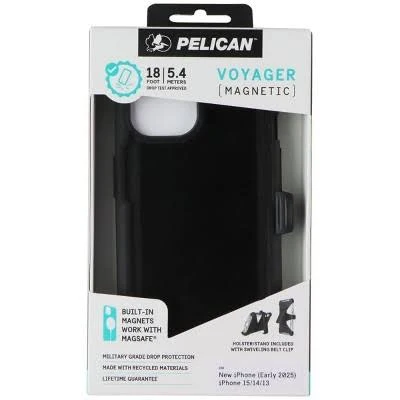
Pelican Voyager MagSafe Case with Holster for Apple iPhone 16e / iPhone 15 / iPhone 14 / iPhone 13
Phone case lacks PFAS disclosure. Lower concern but unverified.
Pelican makes durable phone cases from polycarbonate and rubber polymers without known PFAS-intensive coatings. Brand provides no PFAS statement; third-party testing unavailable.
We flunk more products than we pass. This one earned its grade. How we grade
Material
Polycarbonate and rubberized polymer case with MagSafe attachment
Lab data
No public lab test
You may also be interested in
Top-graded picks in the categories readers replace first, every one scored on the same rubric.

- polypropylene filter housing, carbon/sediment cartridge
- We found no PFAS statement from the brand
- Bacterial growth in spent cartridges
3 hazards checked on this product, all on its full breakdown.

Aquasure
Premier Series 75 GPD Under Sink Reverse Osmosis Water Filtration System
- RO membrane, carbon filters, stainless steel housing
- We found no PFAS statement from the brand
- Bacterial and microbial growth in housing and filters
4 hazards checked on this product, all on its full breakdown.

Avocado
Vegan Mattress
- organic cotton, natural latex, coconut coir, recycled steel coils
- The brand calls it PFAS-free, which we have not verified
- Heavy metals
2 hazards checked on this product, all on its full breakdown.
What Pelican Voyager MagSafe Case / iPhone is made of, ingredients and materials
This case combines polycarbonate (a rigid thermoplastic) for structural protection with rubberized polymers (likely TPE or similar elastomers) for grip and shock absorption. Polycarbonate is widely used in consumer phone cases because it resists impact and does not leach significant chemicals under normal conditions. The rubberized polymer layer adds comfort but introduces a second material interface; both are thermally stable at room temperature and typical hand-use conditions, meaning chemical migration into food or skin contact is not a documented concern for this product type.
What’s concerning
Category baseline
The starting point for this type of product, before anything specific to this product is counted.
No PFAS disclosure
No public statement from the brand about PFAS in this product.
Rubberized polymer off-gassing (VOCs)
Rubberized TPE or similar elastomer coatings can emit volatile organic compounds when new, particularly in warm conditions. This is typically mild and dissipates within days; no specific testing for this product is publicly available. Airing the case in ventilation for 24 hours after purchase is a reasonable precaution if odor is noticeable.
PFAS
Phone case coatings and adhesives may contain PFAS for water/stain resistance, but this has not been disclosed or independently tested for this product. PFAS ingestion is unlikely during normal case handling. This hazard is graded separately per your PFAS assessment (85/100 safety, unverified).
Source, ATSDR ↗What’s reassuring
Base material not linked to PFAS
The main material recorded for this product is not one associated with PFAS.
Polycarbonate degradation under UV/heat
Polycarbonate can yellow and become brittle over years of intense UV exposure or heat, but this is cosmetic wear, not a chemical hazard. No reports of this case material leaching BPA or other monomers under normal consumer conditions.
Microplastic shedding from coating
The rubberized exterior may shed microscopic particles over time with heavy wear, but this is a mechanical degradation concern, not an acute chemical hazard. No published data suggests phone case shedding is a significant environmental or health source of microplastics.
Metal content in MagSafe attachment (nickel, cobalt)
The MagSafe magnets and metal ring are not in direct skin contact during typical use and are covered by the case material. Nickel and cobalt leaching is not a documented concern for phone case magnets in consumer products. Individuals with severe metal allergies should verify magnet composition with Pelican if direct contact is a concern.
How is this PFAS grade calculated?
The brand's record and disclosure
Pelican is known primarily for rugged protective cases and equipment storage; the brand has not published specific material safety disclosures or PFAS statements for consumer phone cases. No recalls or safety controversies specific to Pelican phone cases appear in public records. The company's silence on PFAS and material sourcing is typical for the phone accessory market, where transparency lags behind cookware or personal care sectors. Absence of disclosure does not indicate a hazard, but it does mean third-party verification is unavailable.
How it compares in its category
Phone cases made from polycarbonate with rubberized coatings are the industry standard and carry no established safety profile distinct from this product. Alternatives (silicone, TPU, or leather) do not offer superior safety profiles; polycarbonate cases are considered low-risk across consumer safety databases. The MagSafe attachment is a metal/polymer hybrid that poses no chemical hazard under normal use. This product sits squarely in the mainstream safety tier for its category.
If you buy it
Handle the case normally; no special precautions are needed. Avoid prolonged exposure to extreme heat (above 60C / 140F), which could theoretically soften polycarbonate, though this is not a practical risk in daily use. If the rubber coating becomes sticky or shows visible degradation after extended outdoor exposure, replacement is a sign of normal wear, not a safety failure. Clean with mild soap and water; avoid harsh solvents or abrasive scrubbing, which can degrade the coating.
What is not known about PFAS in this product?
- Basis
- Model estimate, 65% confidence, not a lab result
- Lab test
- None on record for this exact product
- Brand statement
- Pelican has made a specific claim
Formulations change between production runs, so check the current label. How we grade.
What are the PFAS-free alternatives to Pelican Voyager MagSafe Case with Holster for Apple iPhone 16e / iPhone 15 / iPhone 14 / iPhone 13?
- Flax fiber and plant-based resin blend, compostable
- A third party reports verifying it as PFAS-free
- Coating degradation and durability over time
2 hazards checked on this product, all on its full breakdown.
- plant-based bioplastic (flax and other plant fibers)
- A third party reports verifying it as PFAS-free
- Thermal degradation and warping
3 hazards checked on this product, all on its full breakdown.
- Plant-based bioplastic (compostable blend)
- A third party reports verifying it as PFAS-free
- Bioplastic degradation and microparticle shedding
More waterproof phone cases grades
How we score, every product runs through the same public 0-100 rubric based on materials, coatings, brand disclosure, lab findings, and recalls. See the full methodology → Spotted a mistake? Report an error.