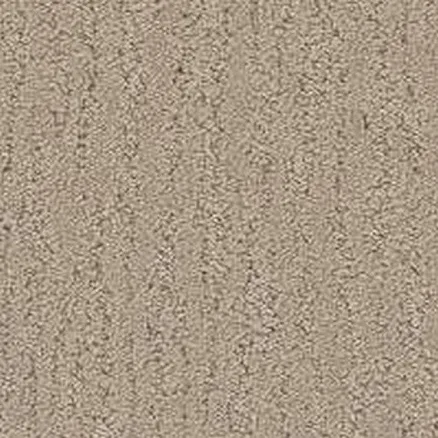
Phenix Floor Ever Pet Plus 12' Verona Carpet Tile Courtyard / 12'
Skip until Phenix discloses stain treatment chemistry.
Phenix carpet tiles typically feature stain and moisture resistance treatments applied to nylon, but the brand does not publicly disclose PFAS status. Standard commercial carpet treatments often contain PFAS; request safety data from retailer or manufacturer.
The better-graded swap
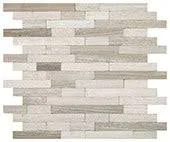
Daltile
Daltile Flooring
75/100 safety
Same rubric that flunked this product. The swap earned Excellent.
Still want this one anyway? Check the price on Amazon. We’d swap it.
Material
Nylon carpet tile with stain/soil resistance treatment
Brand disclosure
Brand is silent on PFAS
Lab data
No public lab test
You may also be interested in
Top-graded picks in the categories readers replace first, every one scored on the same rubric.

Aqua Pure
3M Aqua-Pure AP802B Whole House Filter Housing
- polypropylene filter housing, carbon/sediment cartridge
- We found no PFAS statement from the brand
- Bacterial growth in spent cartridges
3 hazards checked on this product. See all of them.

Aquasure
Premier Series 75 GPD Under Sink Reverse Osmosis Water Filtration System
- RO membrane, carbon filters, stainless steel housing
- We found no PFAS statement from the brand
- Bacterial and microbial growth in housing and filters
4 hazards checked on this product. See all of them.

Avocado
Vegan Mattress
- organic cotton, natural latex, coconut coir, recycled steel coils
- The brand calls it PFAS-free, which we have not verified
- Heavy metals
2 hazards checked on this product. See all of them.
What Phenix Floor Ever Pet Plus 12' Verona is made of, ingredients and materials
Phenix Floor Ever Pet Plus is a nylon 6 carpet tile with integrated stain and soil resistance treatment. Nylon is a synthetic polymer that resists moisture and wear well, but the stain-resistance chemistry is the critical unknown here. Carpet tiles are glued down, introducing potential adhesive VOCs. The 12-foot width indicates this is a broadloom-format tile, common in commercial and residential hybrid spaces.
What’s concerning
Waterproof / stain-resistant treatment
Water-repellent coating treatments have historically used PFAS.
Category baseline
The starting point for this type of product, before anything specific to this product is counted.
No PFAS disclosure
No public statement from the brand about PFAS in this product.
Stain-treatment chemistry (undisclosed, likely fluorochemical)
Pet-product carpet tiles almost universally use fluorinated stain treatments, which are typically PFAS-based (Teflon-type coating or similar). Phenix has not publicly identified or committed to alternatives with lower concern regarding PFAS on this line.
Volatile organic compound (VOC) off-gassing from adhesive and backing
Carpet tiles are installed with pressure-sensitive or wet adhesives and backed with latex or PVC. Off-gassing is typically highest in the first 48-72 hours but can continue intermittently in poorly ventilated spaces.
Formaldehyde / VOCs
Nylon carpet backings sometimes use urea-formaldehyde or melamine resins; latex adhesives may contain formaldehyde as a preservative. Phenix does not explicitly exclude these binders.
Source, ATSDR ↗Microplastic shedding from wear and vacuuming
All synthetic carpet sheds microfibers during normal use and vacuuming. Nylon is more durable than some alternatives but still fragments over time, particularly in high-traffic pet zones.
What’s reassuring
Flame retardants
Nylon 6 is naturally somewhat flame-resistant. No reports of added brominated or phosphorus flame retardants in this specific product, but not ruled out without lab testing.
Source, EPA ↗The full breakdown
The brand's record and disclosure
Phenix is owned by Mohawk Industries, a large carpet manufacturer with mixed environmental and transparency records. Phenix has not publicly disclosed the chemistry of their stain-treatment systems, which is standard industry opacity around proprietary finishes. No major safety recalls specific to this product line are on record. The brand does not explicitly commit to PFAS-free formulations, despite industry movement toward disclosure.
How it compares in its category
Nylon carpet tiles dominate the mid-market durability segment and are more durable than polypropylene alternatives. Many competitors (including some Mohawk sub-brands) offer third-party certifications like GreenGuard Gold or FloorScore, which Phenix products rarely pursue. Pet-focused carpet lines typically rely on synthetic treatments rather than wool or natural fibers, so this product is typical for its niche but not differentiated by transparency.
If you buy it
Ventilate the space for at least 72 hours after installation to allow adhesive and any treatment off-gassing to dissipate. Vacuum regularly to reduce dust and maintain the stain barrier's effectiveness. Avoid steam-cleaning at temperatures above 200°F, which can degrade nylon and release volatile compounds. Replace tiles in high-wear zones (doorways, pet zones) every 5-7 years; do not attempt to repair treated surfaces, as cutting or sealing may expose untreated backing.
What we don’t know
- Basis
- Model estimate, 45% confidence, not a lab result
- Lab test
- None on record for this exact product
- Brand statement
- Phenix has made none
Formulations change between production runs, so check the current label. How we grade.
Better-graded alternatives in Carpets & Rugs
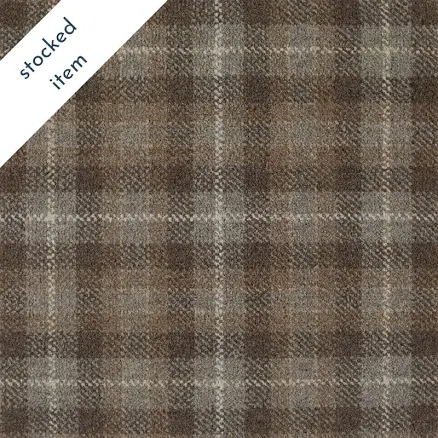
Axminster
Ben Vorlich Tartan Axminster Carpet | Wool Plaid
- wool plaid, Axminster weave
- We found no PFAS statement from the brand
- Formaldehyde / VOCs
4 hazards checked on this product. See all of them.
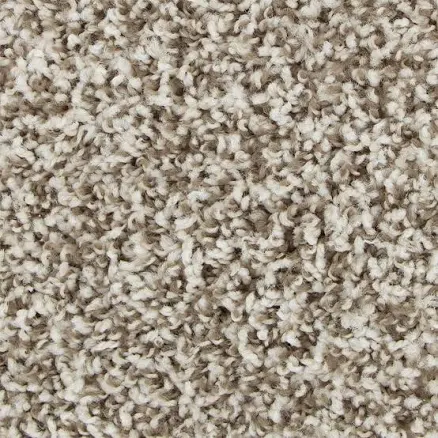
Style Selections
Timeless Brown Polyester Textured Indoor Carpet
- polyester fiber, untreated
- We found no PFAS statement from the brand
- Formaldehyde / VOCs
4 hazards checked on this product. See all of them.
Daltile
Flooring
- Ceramic tile, porcelain, or stone composite
- We found no PFAS statement from the brand
- Volatile Organic Compounds (VOCs) from installation adhesives and grout
4 hazards checked on this product. See all of them.
More carpets & rugs grades
How we score, every product runs through the same public 0-100 rubric based on materials, coatings, brand disclosure, lab findings, and recalls. See the full methodology → Spotted a mistake? Report an error.