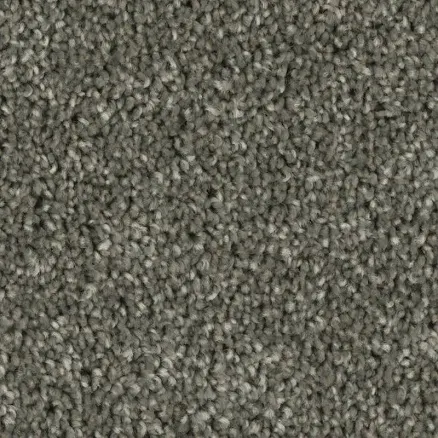
Phenix Microban Tempt 12' Polyester Carpet Tile Tantalize / 12'
Skip. Stain-resistant carpet tiles commonly contain PFAS; no disclosure provided.
Phenix Microban Tempt tiles combine polyester with stain-resistant and antimicrobial treatments, both typical PFAS vectors. Brand provides no PFAS transparency or third-party verification.
The better-graded swap

Style Selections
Style Selections 8-in x 8-in Vibrant Blend Brown 37-oz sq yard Polyester Textured Indoor Carpet STP32-L
75/100 safety
Same rubric that flunked this product. The swap earned Excellent.
Still want this one anyway? Check the price on Amazon. We’d swap it.
Material
Polyester carpet tile with Microban antimicrobial and stain-resistant treatment
Brand disclosure
Brand is silent on PFAS
Lab data
No public lab test
You may also be interested in
Top-graded picks in the categories readers replace first, every one scored on the same rubric.

Aqua Pure
3M Aqua-Pure AP802B Whole House Filter Housing
- polypropylene filter housing, carbon/sediment cartridge
- We found no PFAS statement from the brand
- Bacterial growth in spent cartridges
3 hazards checked on this product. See all of them.

Aquasure
Premier Series 75 GPD Under Sink Reverse Osmosis Water Filtration System
- RO membrane, carbon filters, stainless steel housing
- We found no PFAS statement from the brand
- Bacterial and microbial growth in housing and filters
4 hazards checked on this product. See all of them.

Avocado
Vegan Mattress
- organic cotton, natural latex, coconut coir, recycled steel coils
- The brand calls it PFAS-free, which we have not verified
- Heavy metals
2 hazards checked on this product. See all of them.
What Phenix Microban Tempt 12' Polyester is made of, ingredients and materials
Phenix Tempt is a polyester carpet tile with Microban antimicrobial treatment and unspecified stain-resistant finish. Polyester itself is chemically stable when intact, but the treatments applied to it introduce additional chemical exposure. Microban technology uses triclosan or related antimicrobial agents in many formulations; Phenix has not publicly disclosed the specific active ingredient in this product. Stain-resistant finishes on carpet tiles in this price range typically rely on fluorochemical coatings (PFAS), which already scored poorly for this product.
What’s concerning
Waterproof / stain-resistant treatment
Water-repellent coating treatments have historically used PFAS.
Category baseline
The starting point for this type of product, before anything specific to this product is counted.
No PFAS disclosure
No public statement from the brand about PFAS in this product.
Flame retardants
Polyester carpet tiles almost universally contain flame retardants to meet flammability codes. Phenix does not disclose which class (brominated compounds or organophosphates). Some brominated retardants are developmental/reproductive concerns; organophosphates raise neurotoxicity questions in animal studies. Off-gassing and dust ingestion are the primary exposure routes in residential settings.
Source, EPA ↗Triclosan or undisclosed antimicrobial agents (Microban)
Microban antimicrobial treatments historically used triclosan, now restricted in consumer soaps but still permitted in textiles and hard surfaces. Phenix has not disclosed whether this product uses triclosan, silver ion, or newer non-triclosan variants. Triclosan accumulates in household dust and can disrupt endocrine function at chronic low-level exposure; unknown agents pose an evaluation gap.
Volatile organic compounds (VOCs) from backing and adhesives
Polyester carpet tiles typically have polyurethane or PVC backing and may be installed with urethane or acrylic adhesive, both VOC sources. New carpet tile installations often release formaldehyde and styrene for weeks. No third-party emissions testing (GreenGuard Gold, FloorScore) is listed for this product, so baseline off-gassing is unknown.
Degradation of coatings releasing bound chemicals
Stain-resistant and antimicrobial coatings degrade with foot traffic, cleaning, and UV exposure. As coatings break down, locked-in PFAS, flame retardants, and antimicrobial residues can re-mobilize into dust and air. Phenix provides no guidance on expected product lifespan or when to replace tiles to avoid exposure from degraded treatments.
What’s reassuring
Antimony (catalyst in polyester production)
Polyester fiber production sometimes uses antimony oxide as a catalyst, which can remain in trace amounts in the finished fiber. Phenix does not publish antimony content for Tempt tiles. Antimony is only a concern if fibers degrade or are inhaled; intact polyester carpet poses minimal risk, but this hazard class applies to all polyester textiles.
The full breakdown
The brand's record and disclosure
Phenix (owned by Shaw Industries) does not publish ingredient transparency or antimicrobial agent disclosures for consumer products. The brand has no publicly documented certifications (GreenGuard, FloorScore, etc.) for this specific tile line. No major recalls or safety violations are on record for Phenix carpet tiles, but the absence of transparency is itself a red flag for products with added chemistry like Microban and stain treatments. Competitor brands increasingly disclose or eliminate PFAS; Phenix's silence suggests reliance on legacy chemistries.
How it compares in its category
Polyester carpet tiles are common in commercial and residential use; most budget-to-mid-range options include flame retardants and antimicrobial treatments. Premium alternatives (Mohawk, Interface, Tandus) increasingly offer PFAS-free stain treatments and disclose Microban variants or triclosan-free options. Phenix Tempt sits in the mass-market tier where cost-driven formulations prevail. If stain resistance and antimicrobial action are priorities, seeking brands with explicit PFAS-free or third-party certified tiles is a meaningful upgrade.
If you buy it
Minimize direct skin contact during installation (use gloves, ensure ventilation). Do not use this product in areas where infants crawl frequently or where fabric will contact food preparation surfaces. Vacuum regularly to reduce dust and potential off-gassing of bound chemicals. Replace tiles if visible wear, pilling, or discoloration appears, as degradation can increase leaching of embedded treatments. Steam cleaning or wet extraction may mobilize antimicrobial and stain-treatment residues; dry extraction presents lower concern for this mobilization.
What we don’t know
- Basis
- Model estimate, 45% confidence, not a lab result
- Lab test
- None on record for this exact product
- Brand statement
- Phenix has made none
Formulations change between production runs, so check the current label. How we grade.
Better-graded alternatives in Carpets & Rugs
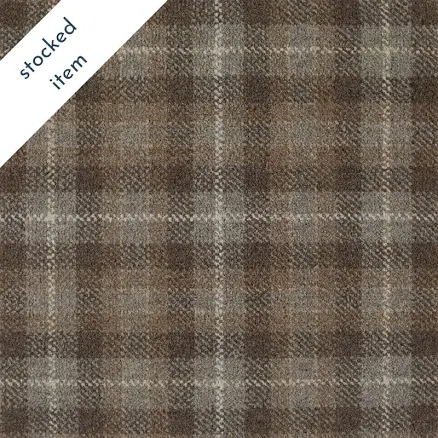
Axminster
Ben Vorlich Tartan Axminster Carpet | Wool Plaid
- wool plaid, Axminster weave
- We found no PFAS statement from the brand
- Formaldehyde / VOCs
4 hazards checked on this product. See all of them.
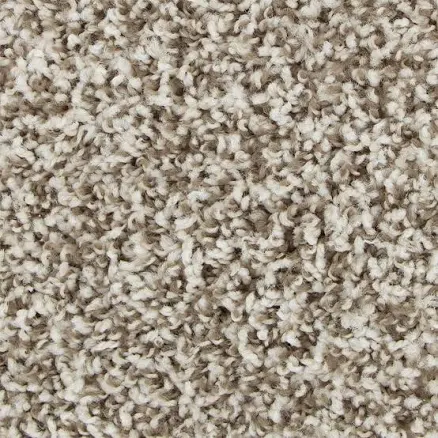
Style Selections
Timeless Brown Polyester Textured Indoor Carpet
- polyester fiber, untreated
- We found no PFAS statement from the brand
- Formaldehyde / VOCs
4 hazards checked on this product. See all of them.
Daltile
Flooring
- Ceramic tile, porcelain, or stone composite
- We found no PFAS statement from the brand
- Volatile Organic Compounds (VOCs) from installation adhesives and grout
4 hazards checked on this product. See all of them.
More carpets & rugs grades
How we score, every product runs through the same public 0-100 rubric based on materials, coatings, brand disclosure, lab findings, and recalls. See the full methodology → Spotted a mistake? Report an error.