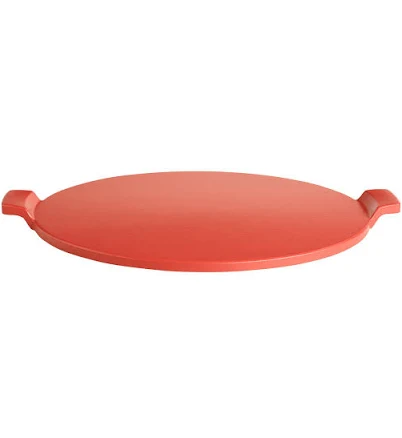
· Pizza Stones & Baking Surfaces
World Market Red Glazed Pizza Stone, Is It Non-Toxic?
Lower PFAS concern; uncoated ceramic pizza stone unlikely to contain PFAS.
Pizza stones are typically fired clay or stoneware with glazed surfaces, materials not associated with PFAS chemistry. Pyrex hasn't disclosed PFAS concerns, and ceramic cookware generally avoids Teflon-family coating coatings.
The better-graded swap
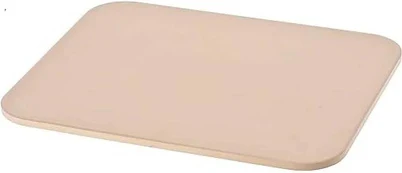
15-Inch Ceramic Pizza Stone for Perfect Crispy Crusts
90/100 safety
Same rubric that flunked this product. The swap earned Excellent.
Still want this one anyway? Check the price on Amazon. We’d swap it.
Material
Glazed ceramic/stoneware
Brand disclosure
Brand is silent on PFAS
Lab data
No public lab test
You may also be interested in
Top-graded picks in the categories readers replace first, every one scored on the same rubric.

- polypropylene filter housing, carbon/sediment cartridge
- We found no PFAS statement from the brand
- Bacterial growth in spent cartridges
3 hazards checked on this product, all on its full breakdown.

Aquasure
Premier Series 75 GPD Under Sink Reverse Osmosis Water Filtration System
- RO membrane, carbon filters, stainless steel housing
- We found no PFAS statement from the brand
- Bacterial and microbial growth in housing and filters
4 hazards checked on this product, all on its full breakdown.

Avocado
Vegan Mattress
- organic cotton, natural latex, coconut coir, recycled steel coils
- The brand calls it PFAS-free, which we have not verified
- Heavy metals
2 hazards checked on this product, all on its full breakdown.
Is World Market Red Glazed Pizza Stone non-toxic? What it is made of
This the brand/Pyrex pizza stone is glazed ceramic or stoneware, a fired clay body topped with a colored glaze. The red glaze finish is decorative but also functional, sealing the porous ceramic to prevent food absorption and staining. Uncoated ceramic pizza stones can leach trace minerals (silica, clay minerals) at normal baking temperatures; glazing minimizes this. The glaze itself is typically a silicate-based formulation, which is chemically stable at standard pizza-baking temperatures (450-500F).
What’s concerning
Category baseline
The starting point for this type of product, before anything specific to this product is counted.
No PFAS disclosure
No public statement from the brand about PFAS in this product.
Lead
Red glazes historically carried higher risk for lead contamination due to red pigment formulations (lead oxide, cadmium selenide). Pyrex and major manufacturers have moved away from lead-glazing practices in consumer bakeware since the 1990s, but independent third-party testing of this specific red glaze is not publicly available. If the product was made before 2000 or sourced from regions without
Source, ATSDR ↗Glaze degradation and coating flaking
All ceramic glazes can craze or flake with thermal stress or age, especially with temperature cycling or dishwasher use. Once glaze integrity is compromised, the exposed ceramic body may leach silica or absorbed food residues. This is a maintenance issue rather than an acute toxicity concern but becomes safety-relevant if ignored.
Thermal shock and structural failure
Rapid heating or cooling of glazed ceramic causes stress fractures. A fractured pizza stone can shed ceramic shards into food. This is primarily a mechanical hazard but reinforces the need for gradual preheating and careful handling.
Heavy metals
Red glaze pigments historically used lead, cadmium, or azo compounds (some of which can migrate at high temperatures or in acidic conditions like tomato sauce). Modern formulations typically use alternatives with lower concern (iron oxides, chrome compounds), but the specific pigment chemistry of this product is not disclosed on the label or in accessible testing reports.
Source, FDA ↗What’s reassuring
Base material not linked to PFAS
The main material recorded for this product is not one associated with PFAS.
Aluminum leaching from ceramic body
Pizza stones are stoneware/ceramic clay-based, not aluminum. Aluminum leaching is not a concern for this material class. This hazard is irrelevant to ceramic pizza stones.
How is this PFAS grade calculated?
The brand's record and disclosure
Pyrex is owned by Instant Brands and has a long history in ovenware and baking products with established manufacturing standards in the US and abroad. The company has not been subject to major product recalls for pizza stones or ceramic bakeware related to glaze toxicity or coating failure in recent years. Pyrex does not publicly disclose detailed glaze composition on consumer packaging, which is typical for the industry but limits third-party verification of lead/cadmium testing.
How it compares in its category
Glazed ceramic pizza stones like this present lower concern than non-stick (Teflon-type coating-coated) alternatives, which carry fume inhalation risk at high heat. They compete with unglazed stoneware (higher stain risk but simpler chemistry) and cordierite/silicon carbide composite stones (more durable but less traditional). Pyrex's market position and manufacturing scale suggest consistent quality control relative to small-batch artisan or imported ceramic stones, where glaze testing is often undocumented.
If you buy it
Preheat on low to medium-low settings and avoid rapid temperature swings, which can cause crazing (fine cracking) that weakens the glaze over time. Use for temperatures up to 500F; beyond that, glaze stability is not guaranteed. Hand-wash only; dishwasher cycles can degrade the glaze surface. Replace if visible cracks, deep crazing, or glaze flaking occurs, as these expose raw ceramic underneath and increase leaching potential.
What is not known about PFAS in this product?
- Basis
- Model estimate, 78% confidence, not a lab result
- Lab test
- None on record for this exact product
- Brand statement
- has made none
Formulations change between production runs, so check the current label. How we grade.
What are the PFAS-free alternatives to World Market Red Glazed Pizza Stone?
15-Inch Ceramic Pizza Stone for Perfect Crispy Crusts
- Ceramic (clay-based baking stone)
- The brand calls it PFAS-free, which we have not verified
- Glaze degradation and surface leaching
3 hazards checked on this product, all on its full breakdown.
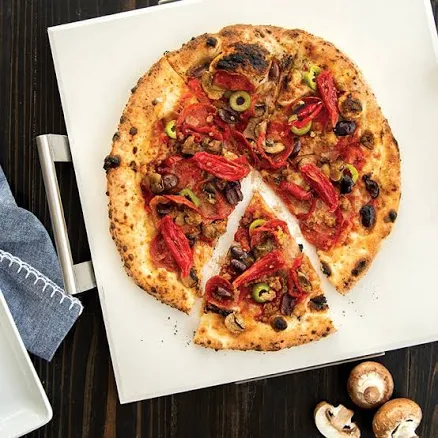
Deluxe Square Pizza Stone with Rack
- ceramic or unglazed stone; no nonstick coating
- The brand calls it PFAS-free, which we have not verified
- Ceramic or stone cracking and fragmentation
2 hazards checked on this product, all on its full breakdown.
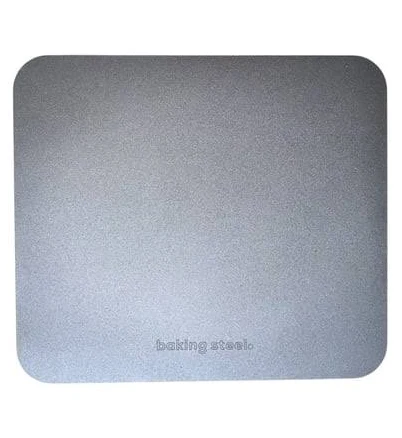
- carbon steel (bare metal, no coating)
- We found no PFAS statement from the brand
- Rust and corrosion
2 hazards checked on this product, all on its full breakdown.
Find an alternative on AmazonMore pizza stones & baking surfaces grades
How we score, every product runs through the same public 0-100 rubric based on materials, coatings, brand disclosure, lab findings, and recalls. See the full methodology → Spotted a mistake? Report an error.