Reebok · Stain-Resistant Professional Workwear
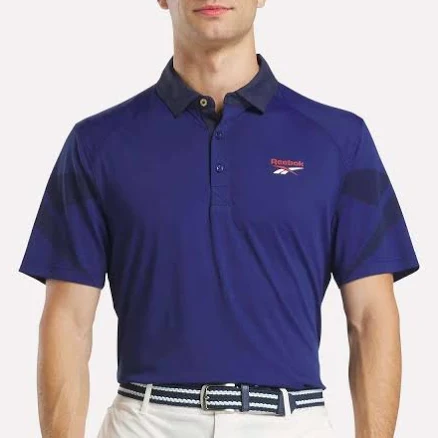
Reebok Men's Signature Vector Colorblocked Polo Shirt
Standard cotton polo carries low PFAS risk; no special finishes.
Cotton jersey polo dyed normally with no disclosed water or stain treatments. Lower PFAS concern without specialty coatings.
Still want this one anyway? Check the price on Amazon. We’d swap it.
Material
Cotton jersey polo with standard dyeing
Lab data
No public lab test
You may also be interested in
Top-graded picks in the categories readers replace first, every one scored on the same rubric.

- polypropylene filter housing, carbon/sediment cartridge
- We found no PFAS statement from the brand
- Bacterial growth in spent cartridges
3 hazards checked on this product, all on its full breakdown.

Aquasure
Premier Series 75 GPD Under Sink Reverse Osmosis Water Filtration System
- RO membrane, carbon filters, stainless steel housing
- We found no PFAS statement from the brand
- Bacterial and microbial growth in housing and filters
4 hazards checked on this product, all on its full breakdown.

Avocado
Vegan Mattress
- organic cotton, natural latex, coconut coir, recycled steel coils
- The brand calls it PFAS-free, which we have not verified
- Heavy metals
2 hazards checked on this product, all on its full breakdown.
What Reebok Men's Signature Vector Polo Shirt is made of, ingredients and materials
This polo is cotton jersey, a knit fabric made from cellulose fibers. Cotton itself is chemically inert once grown, but the dyeing and finishing processes introduce chemicals. Standard reactive or fiber-reactive dyes (typical for cotton colorblocking) bond directly to the fiber and remain stable during wear. No water-resistant or stain-guard finishes are noted on this product, which eliminates one common source of chemical concern in casual apparel.
What’s concerning
Category baseline
The starting point for this type of product, before anything specific to this product is counted.
No PFAS disclosure
No public statement from the brand about PFAS in this product.
Heavy metals
Reactive dyes used in cotton colorblocking may contain trace heavy metals (lead, cadmium, chromium) as dye impurities or mordants. No test data published for this product. EU and many manufacturers restrict these, but Reebok does not publicly commit to restricted substance lists, so residual risk exists in the low range.
Source, FDA ↗Dye transfer and skin contact
Loose, unfixed dyes may transfer to skin during initial wear, especially with sweat or heat. This is cosmetic irritation rather than systemic toxicity but can trigger contact dermatitis in sensitive individuals. Wash before wearing as standard practice.
Volatile organic compounds (VOCs) off-gassing
Factory-fresh garments may emit residual solvent odors from dyeing and finishing. This typically dissipates after 2-3 washes and outdoor airing. No persistent off-gassing is typical for standard cotton textiles.
What’s reassuring
Base material not linked to PFAS
The main material recorded for this product is not one associated with PFAS.
Formaldehyde / VOCs
No water-resistant, wrinkle-resist, or antimicrobial finishes are specified. Standard cotton jersey typically requires no formaldehyde-releasing resins, making this hazard unlikely unless undisclosed treatments are present.
Source, ATSDR ↗Antimony in polyester components
100% cotton jersey avoids antimony catalyst concerns. If blend components exist (not stated), this would not apply, but as described, risk is absent.
How is this PFAS grade calculated?
The brand's record and disclosure
Reebok (owned by Authentic Brands Group as of 2022) has not published detailed chemical management or restricted substance lists specific to apparel lines. The brand maintains no visible third-party textile certifications (GOTS, Oeko-Tex) on public record for this product category. This silence does not indicate a violation but reflects limited transparency compared to competitors with published sustainability or chemistry policies.
How it compares in its category
Cotton polos occupy the mid-tier of textile safety risk. They avoid synthetic materials that introduce antimony or problematic flame retardants. Compared to untreated or certified organic alternatives, this product likely underwent standard industrial dyeing without documented restrictions on heavy metals or formaldehyde releasers. Compared to synthetic blends, it carries lower microplastic shedding and degradation concerns.
If you buy it
Wash in cool water on gentle cycles to reduce dye bleeding and fiber stress; hot water accelerates dye migration and weakens fibers. Wash separately or with similar colors for the first 2-3 cycles. Expect normal fabric pilling on high-friction areas (underarms, collar) over 20-30 washes as a sign of wear, not defect. Air dry when possible; tumble dry on low heat if needed. Replace when seams fray or fabric thins visibly, typically 1-2 years of regular use.
What is not known about PFAS in this product?
- Basis
- Model estimate, 72% confidence, not a lab result
- Lab test
- None on record for this exact product
- Brand statement
- Reebok has made a specific claim
Formulations change between production runs, so check the current label. How we grade.
More stain-resistant professional workwear grades
How we score, every product runs through the same public 0-100 rubric based on materials, coatings, brand disclosure, lab findings, and recalls. See the full methodology → Spotted a mistake? Report an error.