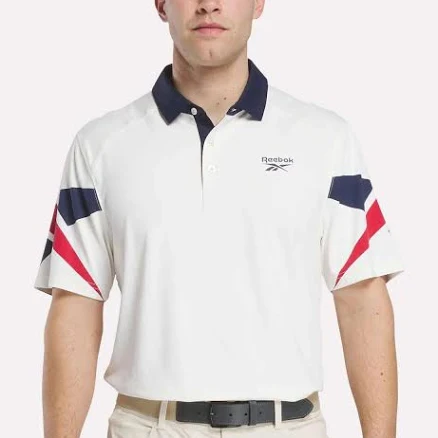
Reebok · Stain-Resistant Professional Workwear
Reebok Men's Vector Sleeve Polo Shirt
Basic polo lacks special finishes; Reebok provides no PFAS details.
Polyester polo without waterproofing or stain coating claims. Reebok hasn't released any PFAS information for this shirt.
Still want this one anyway? Check the price on Amazon. We’d swap it.
Material
polyester blend
Lab data
No public lab test
You may also be interested in
Top-graded picks in the categories readers replace first, every one scored on the same rubric.

- polypropylene filter housing, carbon/sediment cartridge
- We found no PFAS statement from the brand
- Bacterial growth in spent cartridges
3 hazards checked on this product, all on its full breakdown.

Aquasure
Premier Series 75 GPD Under Sink Reverse Osmosis Water Filtration System
- RO membrane, carbon filters, stainless steel housing
- We found no PFAS statement from the brand
- Bacterial and microbial growth in housing and filters
4 hazards checked on this product, all on its full breakdown.

Avocado
Vegan Mattress
- organic cotton, natural latex, coconut coir, recycled steel coils
- The brand calls it PFAS-free, which we have not verified
- Heavy metals
2 hazards checked on this product, all on its full breakdown.
What Reebok Men's Vector Sleeve Polo Shirt is made of, ingredients and materials
This polo is polyester blend (likely polyester/cotton mix based on typical Reebok construction), meaning the fibers are synthetic polymers spun from petroleum. Polyester itself is chemically stable once finished and does not shed microplastics under normal wear or washing at standard temperatures. The dye chemistry and any applied finishes (water-repellent, anti-wrinkle resins) are the main chemical exposure points; polyester fabrics sometimes use azo dyes or formaldehyde-releasing resins to set color or improve durability.
What’s concerning
Category baseline
The starting point for this type of product, before anything specific to this product is counted.
No PFAS disclosure
No public statement from the brand about PFAS in this product.
Azo dyes and dye-related allergens
Polyester polos are typically dyed with azo dyes, which are non-toxic once fixed but can cause contact dermatitis in sensitive individuals if not fully rinsed during manufacture. Reebok does not disclose dye chemistry or rinse standards for this product.
Formaldehyde / VOCs
Many polyester blends are treated with formaldehyde-based resins to improve wrinkle resistance and color fastness. Such treatments are legal and decline significantly after first washes, but Reebok does not confirm whether this polo carries such finishing.
Source, ATSDR ↗Microfiber shedding during washing
Like all synthetic textiles, polyester releases microfibers into wastewater during laundering. This is not a direct wearer hazard but an environmental concern; washing in cold water and using a microfiber-capture filter bag reduces the shed rate.
Off-gassing (VOCs) from dyes and finishes
New polyester garments may emit volatile organic compounds from residual solvents or dye carrier chemicals for the first few days to weeks. This is typically mild and dissipates with air exposure; risk is negligible for short-term wear.
What’s reassuring
Base material not linked to PFAS
The main material recorded for this product is not one associated with PFAS.
Antimony in polyester fiber
Antimony trioxide is sometimes used as a catalyst in polyester production and can remain in trace amounts in the final fiber. Regulatory limits exist in the EU; no specific testing or recall for Reebok apparel has been published.
How is this PFAS grade calculated?
The brand's record and disclosure
Reebok (owned by Authentic Brands Group) has not published detailed chemical restrictions or PFAS phase-out commitments comparable to Nike or Adidas. The brand does not voluntarily disclose manufacturing process details or finished-product chemical testing. No major recalls or chemical safety incidents tied to Reebok apparel are on public record, but the lack of transparency means independent verification of hazard-control is not available to consumers.
How it compares in its category
A basic polyester-blend polo sits in the middle of the market risk profile. Brands like Patagonia and Allbirds publish chemical restrictions and PFAS roadmaps; mass-market brands like Nike and Reebok are less forthcoming. This product is not positioned as sustainable or low-chemical; it is standard athletic casual wear subject to typical industry manufacturing practices.
If you buy it
Wash in cold or warm water (avoid hot) to minimize any residual dye migration and microfiber shedding. New garments can release loose dyes; rinse separately the first 1, 2 washes. Store in a ventilated space to allow any off-gas from dyes or finishes to dissipate. Check fit and seams after a few wears; if degradation appears early, it may indicate poor quality control but does not pose direct chemical risk.
What is not known about PFAS in this product?
- Basis
- Model estimate, 72% confidence, not a lab result
- Lab test
- None on record for this exact product
- Brand statement
- Reebok has made a specific claim
Formulations change between production runs, so check the current label. How we grade.
More stain-resistant professional workwear grades
How we score, every product runs through the same public 0-100 rubric based on materials, coatings, brand disclosure, lab findings, and recalls. See the full methodology → Spotted a mistake? Report an error.