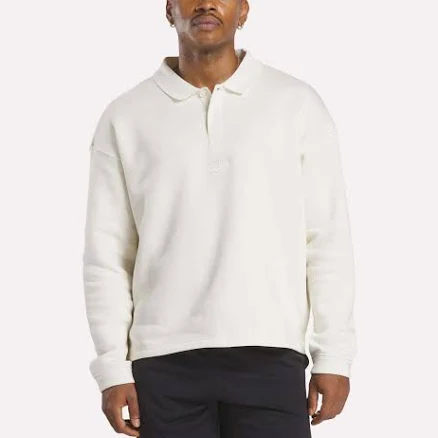
Reebok · Stain-Resistant Professional Workwear
Reebok Men's Wardrobe Essentials Long Sleeve Polo Shirt
Basic untreated polo lacks triggers for PFAS content.
Cotton-polyester polo without water or stain guard claims. Reebok won't say anything about PFAS practices.
Still want this one anyway? Check the price on Amazon. We’d swap it.
Material
Cotton/polyester blend, no specified treatment
Lab data
No public lab test
You may also be interested in
Top-graded picks in the categories readers replace first, every one scored on the same rubric.

- polypropylene filter housing, carbon/sediment cartridge
- We found no PFAS statement from the brand
- Bacterial growth in spent cartridges
3 hazards checked on this product, all on its full breakdown.

Aquasure
Premier Series 75 GPD Under Sink Reverse Osmosis Water Filtration System
- RO membrane, carbon filters, stainless steel housing
- We found no PFAS statement from the brand
- Bacterial and microbial growth in housing and filters
4 hazards checked on this product, all on its full breakdown.

Avocado
Vegan Mattress
- organic cotton, natural latex, coconut coir, recycled steel coils
- The brand calls it PFAS-free, which we have not verified
- Heavy metals
2 hazards checked on this product, all on its full breakdown.
What Reebok Men's Wardrobe Polo Shirt is made of, ingredients and materials
This polo is a cotton/polyester blend, a common choice for everyday wear that balances breathability (cotton) with durability and wrinkle resistance (polyester). No special finishes or treatments are specified, meaning no water-repellent, stain-resistant, or flame-retardant coatings that could introduce additional chemical hazards. The blend itself is chemically inert under normal wearing conditions.
What’s concerning
Category baseline
The starting point for this type of product, before anything specific to this product is counted.
No PFAS disclosure
No public statement from the brand about PFAS in this product.
Azo dyes and synthetic colorants
Cotton/polyester blends are routinely dyed with azo dyes, which can release aromatic amines under acidic sweat or stomach conditions in young children. No specific test data for this Reebok product exists; risk is low for adult wear but present if garment is heavily colored.
Antimony in polyester fibers
Polyester production sometimes uses antimony trioxide as a catalyst. Finished garment poses no risk to skin under normal wear; risk is occupational during manufacture, not consumer-facing.
Heavy metals
Industrial textile dyes can contain trace cadmium, lead, or chromium, particularly in darker shades. No specific testing for this product is on record; risk is low for intact, finished garment but increases if seams are bitten or rubbed raw (rare in adults).
Source, FDA ↗Allergens from residual dyes and finishes
Unwashed new apparel may retain dye residues, optical brighteners, or processing chemicals that can trigger contact dermatitis or respiratory irritation in sensitive individuals. Prewash mitigates this significantly.
What’s reassuring
Base material not linked to PFAS
The main material recorded for this product is not one associated with PFAS.
Formaldehyde / VOCs
No wrinkle-resist, antimicrobial, or water-repellent finishes are stated for this product, so formaldehyde-release risk from chemical treatment is minimal. Standard fabric dyes and bleaches used in production carry negligible formaldehyde carryover.
Source, ATSDR ↗How is this PFAS grade calculated?
The brand's record and disclosure
Reebok (owned by Authentic Brands Group) has not published detailed chemical transparency reports or sustainability certifications specific to textiles on the scale of competitors like Patagonia or Adidas. The brand maintains a silent stance on PFAS use in apparel, which is typical of mid-tier athletic/casual brands but does not suggest contamination, only lack of public disclosure. No major recalls or chemical controversies linked to Reebok apparel in recent public records.
How it compares in its category
This basic cotton/polyester polo sits in the mainstream mass-market segment. It lacks certifications (OEKO-TEX, GOTS, Cradle to Cradle) that would signal third-party chemical screening, but so do most retail apparel at this price point. Versus fast-fashion basics, Reebok's brand heritage suggests reasonable quality control; versus premium brands, it offers fewer guarantees.
If you buy it
Wash in cool to warm water before first wear to remove any residual dyes or finishes. Standard machine washing at 30-40 degrees Celsius presents lower concern; polyester can withstand higher temperatures but benefits from lower-heat drying to preserve elasticity. No special storage or replacement triggers beyond normal wear and tear. Check seams and collar after 30-40 washes for degradation, as blend garments can fray slightly over time.
What is not known about PFAS in this product?
- Basis
- Model estimate, 72% confidence, not a lab result
- Lab test
- None on record for this exact product
- Brand statement
- Reebok has made a specific claim
Formulations change between production runs, so check the current label. How we grade.
More stain-resistant professional workwear grades
How we score, every product runs through the same public 0-100 rubric based on materials, coatings, brand disclosure, lab findings, and recalls. See the full methodology → Spotted a mistake? Report an error.