
Reebok · Stain-Resistant Professional Workwear
Reebok Slim Fit Dress Shirt Men’s Large White Stretch Performance
Stretch performance fabric often treated with PFAS; status unknown.
Cotton-polyester dress shirt with stretch performance treatment. Reebok won't disclose if PFAS is in the treatment or how to verify it.
Still want this one anyway? Check the price on Amazon. We’d swap it.
Material
polyester/cotton blend with stretch performance treatment
Lab data
No public lab test
You may also be interested in
Top-graded picks in the categories readers replace first, every one scored on the same rubric.

- polypropylene filter housing, carbon/sediment cartridge
- We found no PFAS statement from the brand
- Bacterial growth in spent cartridges
3 hazards checked on this product, all on its full breakdown.

Aquasure
Premier Series 75 GPD Under Sink Reverse Osmosis Water Filtration System
- RO membrane, carbon filters, stainless steel housing
- We found no PFAS statement from the brand
- Bacterial and microbial growth in housing and filters
4 hazards checked on this product, all on its full breakdown.

Avocado
Vegan Mattress
- organic cotton, natural latex, coconut coir, recycled steel coils
- The brand calls it PFAS-free, which we have not verified
- Heavy metals
2 hazards checked on this product, all on its full breakdown.
What Reebok Slim Fit Dress Shirt Performance is made of, ingredients and materials
This shirt is a polyester-cotton blend with added stretch performance treatment, likely involving synthetic elastane or spandex fibers woven throughout. The 'performance' finish typically requires chemical processing to achieve moisture-wicking and wrinkle resistance properties. Polyester itself is stable, but the blend's stretch components and finishing chemicals are where hazard exposure concentrates during wear and laundering.
What’s concerning
No PFAS disclosure
No public statement from the brand about PFAS in this product.
Category baseline
The starting point for this type of product, before anything specific to this product is counted.
Waterproof / stain-resistant treatment
Water-repellent coating treatments have historically used PFAS.
Azo dyes and synthetic colorants
White polyester-cotton blends rarely use problem azo dyes, but the finishing process may include synthetic dyes or optical brighteners not specified. No recalls or test reports on this specific shirt are available.
Formaldehyde / VOCs
Wrinkle-resistance and performance treatments in polyester blends sometimes employ formaldehyde-based cross-linkers. Reebok does not publicly restrict these; levels typically decline sharply after first wash but residual off-gassing is plausible in new garment.
Source, ATSDR ↗Elastane/spandex degradation and microfiber shedding
Stretch fibers in blended garments shed microplastics during washing and wear, especially after repeated cycles. This is a general category issue, not Reebok-specific, but the undisclosed treatment chemistry may accelerate or slow this process unpredictably.
Chemical residues from moisture-wicking treatment
Performance finishes that wick moisture typically involve silicone-based or fluorocarbon-based coatings (though PFAS is graded separately). Reebok's silence on the specific chemistry means residual treatment chemicals cannot be ruled out; first wash reduces exposure.
What’s reassuring
Antimony in polyester fibers
Antimony trioxide is a known catalyst in polyester synthesis. Industry best practice has shifted away from antimony use; no test data or concern reports specific to Reebok polyester products are publicly available.
How is this PFAS grade calculated?
The brand's record and disclosure
Reebok (Authentic Brands Group) has not published detailed material safety disclosures or restricted-substance lists comparable to leading athletic apparel brands. The brand remains silent on PFAS use in stretch-treatment formulations, which is standard in the athletic performance-wear sector. No major safety recalls specific to this shirt model are on record; however, absence of disclosure does not equal absence of concern.
How it compares in its category
Men's stretch performance dress shirts occupy a niche between casual athletic wear and formal menswear. Competitors (Nike, Adidas, Under Armour) typically disclose stretch-fiber content and chemical restrictions; Reebok's silence puts this product slightly below category standard for transparency. The polyester-cotton blend itself is common and the undisclosed performance treatment is the differentiator in terms of PFAS concern.
If you buy it
Wash in cool water with mild detergent and avoid fabric softeners, which can trap chemical residues in synthetic fibers. Do not bleach or dry-clean, as both can mobilize residual processing chemicals. Air-dry to prevent heat activation of finishes. Replace after 2-3 years of regular wear, as stretch fibers degrade and may shed microfibers; this also limits long-term accumulation of any residual chemicals on the garment.
What is not known about PFAS in this product?
- Basis
- Model estimate, 45% confidence, not a lab result
- Lab test
- None on record for this exact product
- Brand statement
- Reebok has made a specific claim
Formulations change between production runs, so check the current label. How we grade.
What are the PFAS-free alternatives to Reebok Slim Fit Dress Shirt Men’s Large White Stretch Performance?

- linen-viscose blend, no water-resistant finish
- We found no PFAS statement from the brand
- Formaldehyde / VOCs
3 hazards checked on this product, all on its full breakdown.
Find an alternative on Amazon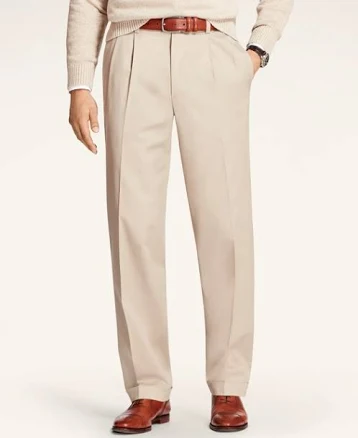
- 100% cotton, pleated, no stated treatment
- We found no PFAS statement from the brand
- Residual azo dyes and synthetic dye intermediates
2 hazards checked on this product, all on its full breakdown.
Find an alternative on Amazon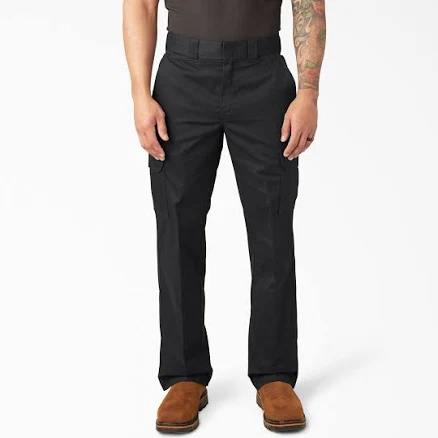
- 100% cotton twill, no water-resistant treatment
- We found no PFAS statement from the brand
- Azo dyes and residual finishing agents
2 hazards checked on this product, all on its full breakdown.
Find an alternative on AmazonMore stain-resistant professional workwear grades
How we score, every product runs through the same public 0-100 rubric based on materials, coatings, brand disclosure, lab findings, and recalls. See the full methodology → Spotted a mistake? Report an error.