
REI Co-op · Waterproof Outdoor Gear Storage Bags
REI Co-op Lightweight Dry Sack
water-repellent coating raises PFAS concern; REI discloses nothing.
Dry sacks rely on waterproof water-repellent coating coatings, which traditionally contain PFAS. REI shares no public PFAS disclosure or testing results for this product.
Still want this one anyway? Check the price on Amazon. We’d swap it.
Material
Nylon ripstop fabric with water-repellent coating (water-repellent coating) coating
Lab data
No public lab test
What REI Co-op Lightweight Dry Sack is made of, ingredients and materials
This dry sack is nylon ripstop fabric treated with a water-repellent coating (water-repellent coating) coating to shed water without leaking. water-repellent coating coatings on outdoor textiles are historically formulated with PFAS chemicals (PFAS "forever chemicals") because fluorine repels both water and oil. REI has not disclosed what specific water-repellent coating chemistry is used in this product, meaning the presence and type of PFAS cannot be confirmed from public information. Nylon itself is not a primary toxicity vector for consumer exposure; the risk lies in the surface treatment.
What’s concerning
Category baseline
The starting point for this type of product, before anything specific to this product is counted.
No PFAS disclosure
No public statement from the brand about PFAS in this product.
Waterproof / stain-resistant treatment
Water-repellent coating treatments have historically used PFAS.
PFAS
Nylon ripstop dry sacks typically use fluorocarbon-based water-repellent coating. REI's silence on chemistry and lack of PFAS-free certification suggests conventional formulation. Skin contact risk is low (sack is worn outside pack) but accumulation in stored food or through hand contact with wet fabric is plausible.
Source, ATSDR ↗Coating degradation and microfiber shedding
Over time, water-repellent coating coatings wear and can flake or shed microfibers, especially if machine washed or exposed to high heat or UV. This sack may leach particles into stored items if the coating deteriorates. Normal use should minimize this, but lifespan is limited.
VOC off-gassing from coating
New water-repellent coating-coated textiles may release volatile organic compounds from residual coating solvents. This risk is highest in the first few weeks. Airing the sack in a ventilated space before storing food inside is prudent.
What’s reassuring
Azo dyes
REI Co-op fabrics are generally not flagged for restricted azo dyes in available reports, though no specific certification for this sack was found. Nylon ripstop dye quality is not a documented concern for this brand.
Formaldehyde / VOCs
Formaldehyde-based finishes are not a standard treatment for nylon ripstop. water-repellent coating coatings do not typically rely on formaldehyde chemistry. No documented risk for this product.
Source, ATSDR ↗The full breakdown
The brand's record and disclosure
REI Co-op has not published a chemical disclosure policy, restricted substance list, or PFAS phase-out commitment for apparel as of recent public records. The company does not advertise PFAS-free certifications for textiles. This silence is notable in an industry where competitors (Patagonia, Arc'teryx, The North Face in some lines) have begun disclosing water-repellent coating chemistry or transitioning to PFAS-free alternatives. REI's lack of transparency makes it impossible to assess whether this sack uses legacy fluorocarbon water-repellent coating or newer non-fluorinated water repellents.
How it compares in its category
Lightweight dry sacks are a commodity item; most budget and mid-range brands (Aqua Quest, Topo Designs, even some REI house products) use untreated or minimally coated nylon. High-end outdoor brands increasingly offer PFAS-free water-repellent coating options, though these remain pricier. REI's Co-op line occupies the mid-market sweet spot for cost and performance, which typically correlates with conventional water-repellent coating chemistry rather than alternatives with lower concern profiles. Without explicit disclosure, this product falls into the standard-risk category for outdoor textiles.
If you buy it
Dry sacks are designed to minimize skin contact; the fabric stays outside your pack and touching your back or clothes. Rinse it occasionally in cool water to reduce any surface chemical leaching into stored gear or food. Do not machine wash or tumble dry, as heat and detergent can degrade the coating and potentially mobilize trapped chemicals. Replace the sack if the water-repellent coating visibly degrades (water no longer beads on the surface), as a worn coating may shed microfibers. Store it dry and ventilated when not in use.
What we don’t know
- Basis
- Model estimate, 45% confidence, not a lab result
- Lab test
- None on record for this exact product
- Brand statement
- REI Co-op has made a specific claim
Formulations change between production runs, so check the current label. How we grade.
Better-graded alternatives in Waterproof Outdoor Gear Storage Bags
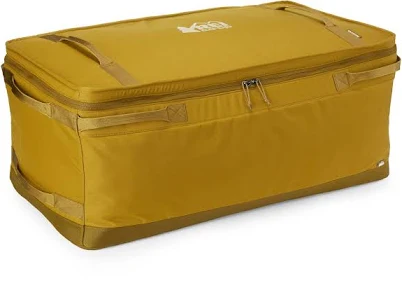
REI Co-op
Trailgate Gear Bin Green 140 L
- Polypropylene storage bin, no water-resistant coating mentioned
- UV degradation and additive leaching
3 hazards checked on this product. See all of them.
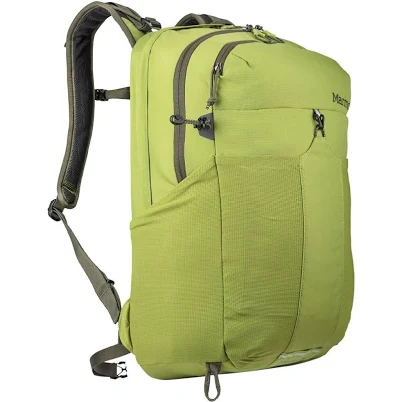
Marmot
Tool Box
- Nylon, polyester, cotton blend; details unspecified
- Volatile organic compounds (VOCs) from polyester and nylon manufacturing
5 hazards checked on this product. See all of them.
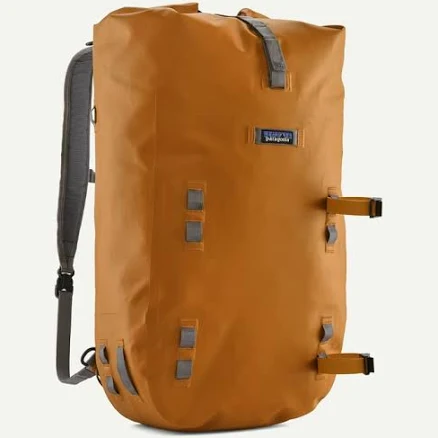
Patagonia
Disperser Roll Top Pack 40L
- Recycled polyester with water-repellent coating (water-repellent coating) finish
- The brand calls it PFAS-free, which we have not verified
- PFAS
4 hazards checked on this product. See all of them.
More waterproof outdoor gear storage bags grades
How we score, every product runs through the same public 0-100 rubric based on materials, coatings, brand disclosure, lab findings, and recalls. See the full methodology → Spotted a mistake? Report an error.