REI Co-op · Waterproof Outdoor Gear Storage Bags
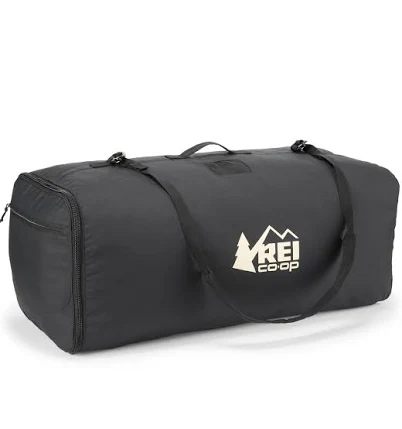
REI Co-op Pack Duffel
water-repellent coating-treated duffel; PFAS risk unclear without material disclosure.
REI doesn't disclose PFAS status or water-repellent coating chemistry for this pack duffel. Water-resistant gear often uses fluorinated treatments, but specifics aren't available.
Still want this one anyway? Check the price on Amazon. We’d swap it.
Material
Nylon/polyester with water-repellent coating treatment
Lab data
No public lab test
What REI Co-op Pack Duffel is made of, ingredients and materials
REI Co-op Pack Duffel uses nylon or polyester (often a blend) with a water-repellent coating (water-repellent coating) finish. The nylon/polyester base itself is chemically stable and non-toxic in normal use. However, water-repellent coating coatings historically rely on PFOA, PFOS, or other fluorinated compounds to achieve water resistance, though many brands have migrated to shorter-chain PFAS or alternative chemistries without public disclosure. REI has not published material safety data for this specific duffel.
What’s concerning
Category baseline
The starting point for this type of product, before anything specific to this product is counted.
No PFAS disclosure
No public statement from the brand about PFAS in this product.
Waterproof / stain-resistant treatment
Water-repellent coating treatments have historically used PFAS.
PFAS
REI does not disclose whether this duffel uses legacy PFOA/PFOS, short-chain PFAS, or PFAS-free water-repellent coating. Fluorinated coatings are industry standard for this product class. Risk is primarily ingestion/inhalation during manufacturing or disposal, not consumer use; intact duffel poses minimal direct exposure.
Source, ATSDR ↗Microfiber shedding during use and wash
Nylon and polyester duffels shed microfibers when rubbed, washed, or aged. This is not unique to REI and is inherent to synthetic textiles. Primary concern is environmental; consumer inhalation risk is low unless duffel is heavily abraded indoors.
What’s reassuring
Azo dyes in nylon/polyester
No recalls or public testing results specific to REI duffels for banned azo dyes. Nylon and polyester can be dyed with azo compounds; REI does not specify dye chemistry. Risk would manifest as allergic skin contact only if dye migrates, which is unlikely with a properly finished exterior.
Antimony catalyst residue in polyester
Polyester manufacturing sometimes uses antimony as a catalyst; trace residues can remain. No public data exists for REI duffels specifically. Antimony leaching into food or drinking water would require direct contact with food items over time; a duffel storing clothes or gear poses negligible risk.
Formaldehyde / VOCs
Some textile finishes use formaldehyde-releasing resins for wrinkle resistance or water-resistance enhancement. REI duffels are not marketed as wrinkle-resistant, reducing likelihood. No public testing or complaints on record for this product line.
Source, ATSDR ↗The full breakdown
The brand's record and disclosure
REI Co-op has not released detailed PFAS policies or material chemistry for most gear lines as of available public records. The brand markets sustainability but rarely discloses water-repellent coating treatment specifics or testing results. No major recalls or toxicity incidents linked to REI duffels have been reported. REI does not appear to pursue bluesign or GOTS certification for this category, which might otherwise signal tighter chemical controls.
How it compares in its category
Most travel duffels in this price range use nylon/polyester with water-repellent coating, making PFAS exposure a category-wide concern, not unique to REI. Premium brands (Patagonia, Arc'teryx) publish water-repellent coating chemistry or use PFAS-free alternatives; budget competitors often disclose nothing. REI's positioning is mid-market with moderate transparency. The actual risk difference between a REI duffel and an unlabeled alternative is not quantifiable without chemistry testing.
If you buy it
Store in a well-ventilated space to minimize any off-gassing. Wash by hand or gentle machine cycle with mild detergent and air-dry to extend water-repellent coating life and reduce microfiber shedding. Avoid heat (dryer, direct sun for extended periods) which can degrade coating and theoretically increase leaching risk. If the water-repellency fades significantly after 2-3 years, consider replacement; deteriorating coatings may shed particles or lose integrity.
What we don’t know
- Basis
- Model estimate, 45% confidence, not a lab result
- Lab test
- None on record for this exact product
- Brand statement
- REI Co-op has made a specific claim
Formulations change between production runs, so check the current label. How we grade.
Better-graded alternatives in Waterproof Outdoor Gear Storage Bags
REI Co-op
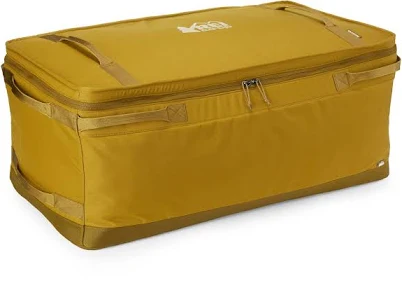
Trailgate Gear Bin Green 140 L
- Polypropylene storage bin, no water-resistant coating mentioned
- UV degradation and additive leaching
3 hazards checked on this product. See all of them.
Marmot
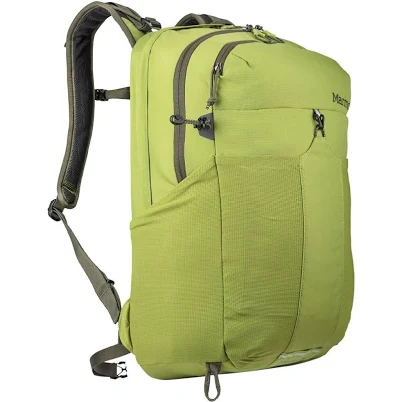
Tool Box
- Nylon, polyester, cotton blend; details unspecified
- Volatile organic compounds (VOCs) from polyester and nylon manufacturing
5 hazards checked on this product. See all of them.
Patagonia
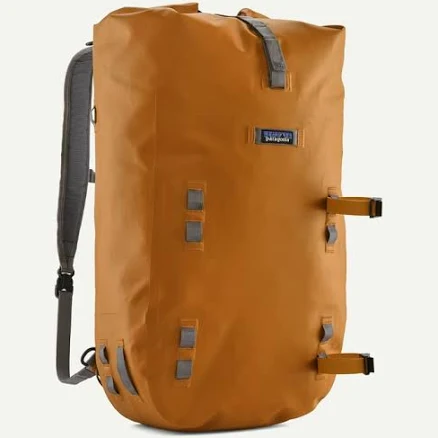
Disperser Roll Top Pack 40L
- Recycled polyester with water-repellent coating (water-repellent coating) finish
- The brand calls it PFAS-free, which we have not verified
- PFAS
4 hazards checked on this product. See all of them.
More waterproof outdoor gear storage bags grades
How we score, every product runs through the same public 0-100 rubric based on materials, coatings, brand disclosure, lab findings, and recalls. See the full methodology → Spotted a mistake? Report an error.