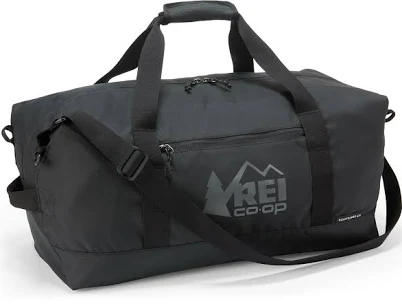
REI Co-op · Waterproof Outdoor Gear Storage Bags
REI Co-op Roadtripper Duffel
water-repellent coating-treated duffel, PFAS coating status unclear from REI.
REI Co-op doesn't disclose whether this duffel uses PFAS-based or fluorine-free water repellent. Many outdoor duffels still use conventional water-repellent coating treatments containing PFAS.
Still want this one anyway? Check the price on Amazon. We’d swap it.
Material
Polyester/nylon with water-repellent coating finish
Lab data
No public lab test
What REI Co-op Roadtripper Duffel is made of, ingredients and materials
The Roadtripper uses a polyester/nylon blend with a water-repellent coating (water-repellent coating) finish. Polyester and nylon themselves are inert thermoplastics with no established leaching concerns in normal use as a dry-goods bag. The water-repellent coating is the variable, historically applied using PFAS-based chemistry (PFOS, PFOA precursors), though modern suppliers increasingly use fluorine-free alternatives. REI has not publicly specified which type this duffel uses, making it impossible to rule out legacy PFAS treatment.
What’s concerning
Category baseline
The starting point for this type of product, before anything specific to this product is counted.
No PFAS disclosure
No public statement from the brand about PFAS in this product.
Waterproof / stain-resistant treatment
Water-repellent coating treatments have historically used PFAS.
water-repellent coating degradation and microparticle release
Polyester duffel coatings can delaminate or flake with age, UV exposure, or mechanical wear. No specific testing on this model is on record, but polyester-based water-repellent coating finishes are known to shed particulates when compromised. Inhaled or ingested polymer particles are not acutely toxic but accumulation in the body is not well-studied.
PFAS
The water-repellent coating finish is the primary PFAS exposure vector for this product. Without manufacturer disclosure, presence cannot be confirmed or ruled out. Typical legacy duffel treatments used C8 or C6 PFAS; migration risk is low in dry use but increases if bag is washed or subjected to high heat.
Source, ATSDR ↗What’s reassuring
Azo dyes in polyester fabric
Polyester textiles can be dyed with azo compounds, some of which are restricted under ZDHC and EU regulations due to carcinogenic amine metabolites. REI does not disclose dye chemistry for this product. No recall or testing result is on record, but the dark colorways of outdoor duffels are highest-risk for restricted azo use.
Antimony catalyst residue in polyester
Polyester fibers are often synthesized using antimony trioxide as a catalyst; trace residues may remain. Migration to skin or food from a dry bag is negligible, but prolonged contact with sweat or moisture could theoretically increase leaching. No known issue with this product line.
Formaldehyde / VOCs
Some synthetic textiles are treated with formaldehyde-releasing resins for wrinkle resistance or color fixation. Duffels are typically not treated this way, as they are not apparel. REI does not report formaldehyde use in technical bags.
Source, ATSDR ↗The full breakdown
The brand's record and disclosure
REI Co-op has made limited public commitments on PFAS phase-out compared to outdoor peers like Patagonia or Arc'teryx. The brand does not routinely disclose water-repellent coating treatment chemistry on product pages or in supply-chain transparency reports available to consumers. No major recalls or contamination incidents on record for this line. REI's silence on water-repellent coating specifics is the main transparency gap, not an evidence of a problem, but absence of assurance.
How it compares in its category
Mid-range duffel bags rarely disclose water-repellent coating chemistry; this is standard across the category. High-end outdoor brands increasingly label PFAS-free or specify fluorine-free water-repellent coating; budget and mid-market options (including REI's own line) typically do not. In absolute terms, a bag treated with conventional water-repellent coating presents lower PFAS exposure risk than apparel worn against skin, since direct skin contact is minimal and migration into food/water is not a use pathway.
If you buy it
Store dry, away from heat sources and direct sunlight, which can degrade synthetic coatings over time and potentially increase micro-shedding. Avoid machine washing if possible; hand-rinse with cool water and mild soap if needed, then air-dry away from heat. Replace the bag if the water-repellent coating visibly peels, flakes, or becomes chalky (signs of degradation). Do not use for food storage or hydration bladders; reserve it for dry gear only.
What we don’t know
- Basis
- Model estimate, 45% confidence, not a lab result
- Lab test
- None on record for this exact product
- Brand statement
- REI Co-op has made a specific claim
Formulations change between production runs, so check the current label. How we grade.
Better-graded alternatives in Waterproof Outdoor Gear Storage Bags
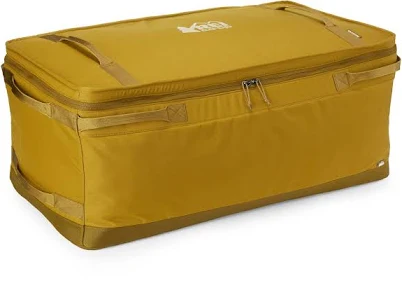
REI Co-op
Trailgate Gear Bin Green 140 L
- Polypropylene storage bin, no water-resistant coating mentioned
- UV degradation and additive leaching
3 hazards checked on this product. See all of them.
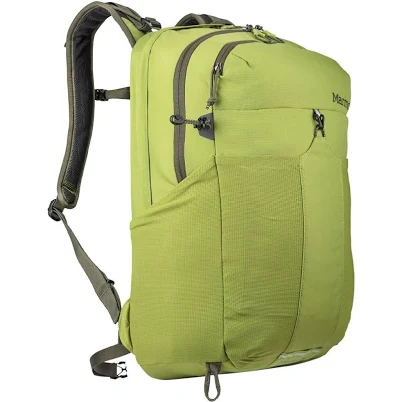
Marmot
Tool Box
- Nylon, polyester, cotton blend; details unspecified
- Volatile organic compounds (VOCs) from polyester and nylon manufacturing
5 hazards checked on this product. See all of them.
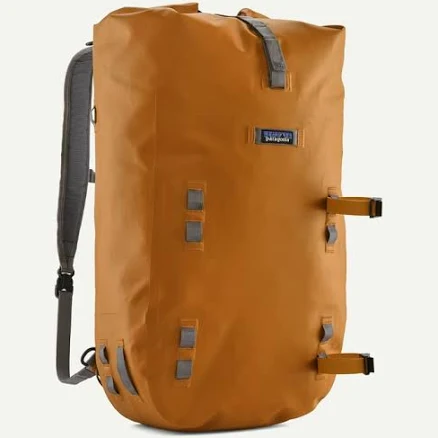
Patagonia
Disperser Roll Top Pack 40L
- Recycled polyester with water-repellent coating (water-repellent coating) finish
- The brand calls it PFAS-free, which we have not verified
- PFAS
4 hazards checked on this product. See all of them.
More waterproof outdoor gear storage bags grades
How we score, every product runs through the same public 0-100 rubric based on materials, coatings, brand disclosure, lab findings, and recalls. See the full methodology → Spotted a mistake? Report an error.