REI Co-op · Waterproof Outdoor Gear Storage Bags
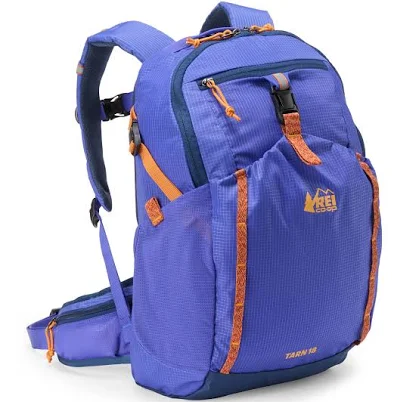
REI Co-op Tarn 18 Pack Purple
Skip until REI clarifies water-repellent coating chemistry.
REI Co-op backpacks use durable nylon with water-repellent coating, typical in outdoor gear. REI makes no public PFAS disclosure, and water-repellent coating treatments often contain fluorochemicals. Ask them directly for transparency.
Still want this one anyway? Check the price on Amazon. We’d swap it.
Material
nylon ripstop with water-repellent coating treatment
Lab data
No public lab test
What REI Co-op Tarn 18 Pack Purple is made of, ingredients and materials
The Tarn 18 uses nylon ripstop fabric, a tight-weave synthetic known for tear resistance and lightweight durability. The water-repellent coating (water-repellent coating) finish is the chemical wildcard, REI does not publicly specify whether this uses legacy PFOA/PFOS, modern PFAS alternatives, or fluorine-free chemistry. Nylon itself is stable and does not leach hazardous compounds under normal outdoor use, but the water-repellent coating is the exposure vector if it degrades or sheds microfibers.
What’s concerning
Category baseline
The starting point for this type of product, before anything specific to this product is counted.
No PFAS disclosure
No public statement from the brand about PFAS in this product.
Waterproof / stain-resistant treatment
Water-repellent coating treatments have historically used PFAS.
water-repellent coating degradation and microfiber shedding
Nylon ripstop with water-repellent coating will gradually shed fibers as the coating breaks down from UV and abrasion. If the water-repellent coating uses PFAS (chemistry undisclosed), microfiber shedding poses low but non-zero exposure over years of use.
Azo dyes and colorant toxicity
The purple colorant is not disclosed. High-quality nylon packs typically avoid restricted azo dyes, but REI provides no third-party test or supplier audit documentation. Risk is low for outdoor contact, higher if dye migrates in wet conditions or direct skin contact during extended wear.
Undisclosed chemical composition and traceability
REI Co-op's lack of supplier transparency, testing documentation, and water-repellent coating chemistry disclosure is the primary hazard. Buyers cannot independently verify whether the Tarn 18 meets PFAS-free or low-chemical standards, making informed risk assessment impossible.
What’s reassuring
Formaldehyde / VOCs
No public record of formaldehyde-based resins in REI Tarn 18 nylon ripstop. Nylon itself does not require formaldehyde curing, though some suppliers use formaldehyde-releasing dyes or sizing. REI does not disclose finishing chemistry.
Source, ATSDR ↗Antimony in polyester/nylon blend stabilizers
Pure nylon ripstop does not typically contain antimony. If any polyester blend is present, antimony is possible but not reported for this specific product.
The full breakdown
The brand's record and disclosure
REI Co-op has not published a comprehensive PFAS policy or water-repellent coating supplier disclosure for its house-brand gear as of public record. The brand markets sustainability but remains silent on PFAS chemistry in water-resistant textiles. This silence is a red flag in an industry where competitors (e.g., Patagonia, some Arc'teryx lines) increasingly disclose or eliminate PFAS. REI's lack of transparency makes it impossible to verify whether the Tarn 18 uses problematic chemistry.
How it compares in its category
Nylon ripstop packs are category standard and perform well. The Tarn 18 is competitively priced and durable. However, alternatives from brands with explicit PFAS-free or disclosed water-repellent coating chemistry (e.g., Osprey, some REI house brands explicitly labeled PFAS-free) offer the same function with lower chemical ambiguity. If PFAS risk matters to you, this pack sits in the middle-of-the-road tier, not worst-case, but not best-available.
If you buy it
Use the pack normally; nylon ripstop poses no direct skin hazard in outdoor conditions. Avoid machine washing at high heat or tumble drying, which could degrade the water-repellent coating finish and potentially release microfibers. Do not use the pack for food storage or direct contact with drinking water if you are concerned about PFAS migration (though outdoor daypack use is low-risk). Plan a 5-10 year lifespan depending on use intensity, and consider the cumulative exposure trade-off against brand transparency.
What we don’t know
- Basis
- Model estimate, 42% confidence, not a lab result
- Lab test
- None on record for this exact product
- Brand statement
- REI Co-op has made a specific claim
Formulations change between production runs, so check the current label. How we grade.
Better-graded alternatives in Waterproof Outdoor Gear Storage Bags
REI Co-op
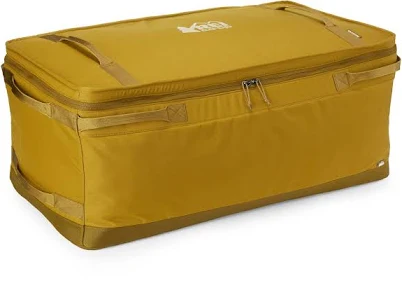
Trailgate Gear Bin Green 140 L
- Polypropylene storage bin, no water-resistant coating mentioned
- UV degradation and additive leaching
3 hazards checked on this product. See all of them.
Marmot
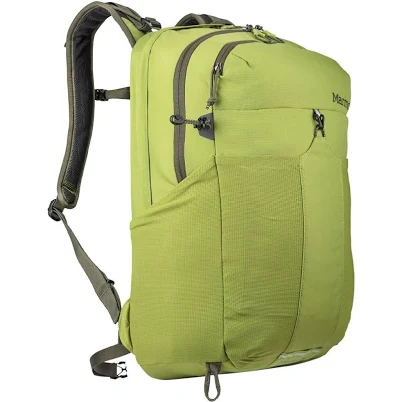
Tool Box
- Nylon, polyester, cotton blend; details unspecified
- Volatile organic compounds (VOCs) from polyester and nylon manufacturing
5 hazards checked on this product. See all of them.
Patagonia
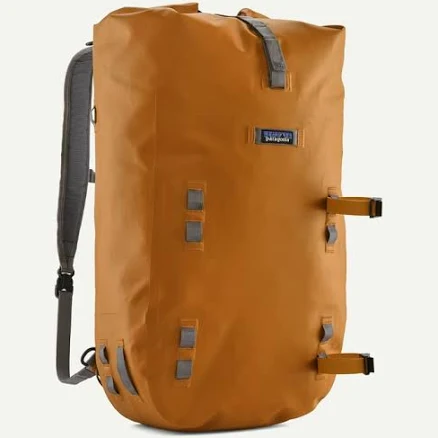
Disperser Roll Top Pack 40L
- Recycled polyester with water-repellent coating (water-repellent coating) finish
- The brand calls it PFAS-free, which we have not verified
- PFAS
4 hazards checked on this product. See all of them.
More waterproof outdoor gear storage bags grades
How we score, every product runs through the same public 0-100 rubric based on materials, coatings, brand disclosure, lab findings, and recalls. See the full methodology → Spotted a mistake? Report an error.