Revlon · Lip Balm & Long-Wear Lipstick
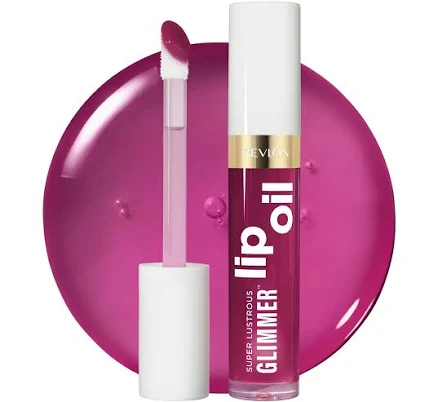
Revlon Super Lustrous Glimmer Lip Oil
Lower PFAS concern; no known triggers, but Revlon has not disclosed PFAS policy.
This cosmetic oil product contains no established PFAS-related triggers like waterproof water-repellent coating treatment or nonstick chemistry. Revlon has not made a public PFAS-free claim.
We flunk more products than we pass. This one earned its grade. How we grade
Material
oil blend (coconut, jojoba, vitamin E base typical for lip oils)
Lab data
No public lab test
You may also be interested in
Top-graded picks in the categories readers replace first, every one scored on the same rubric.

- polypropylene filter housing, carbon/sediment cartridge
- We found no PFAS statement from the brand
- Bacterial growth in spent cartridges
3 hazards checked on this product, all on its full breakdown.

Aquasure
Premier Series 75 GPD Under Sink Reverse Osmosis Water Filtration System
- RO membrane, carbon filters, stainless steel housing
- We found no PFAS statement from the brand
- Bacterial and microbial growth in housing and filters
4 hazards checked on this product, all on its full breakdown.

Avocado
Vegan Mattress
- organic cotton, natural latex, coconut coir, recycled steel coils
- The brand calls it PFAS-free, which we have not verified
- Heavy metals
2 hazards checked on this product, all on its full breakdown.
What Revlon Super Lustrous Glimmer Lip Oil is made of, ingredients and materials
Revlon Super Lustrous Glimmer Lip Oil is formulated primarily from emollient oils (coconut oil, jojoba oil) and vitamin E, with mica and titanium dioxide for shimmer effects. This oil-based matrix is inherently low-risk for the hazards common in leave-on lip products because oils do not bioaccumulate heavy metals the way pigmented powders or talc can, and the absence of water reduces bacterial growth risk. Vitamin E is a natural antioxidant and poses no known toxicity at cosmetic use levels. The mica and titanium dioxide are inert mineral pigments approved globally for cosmetic use.
What’s concerning
Category baseline
The starting point for this type of product, before anything specific to this product is counted.
No PFAS disclosure
No public statement from the brand about PFAS in this product.
Fragrance allergens and irritation
Revlon lip oils typically contain fragrance compounds for scent and flavor; individuals with sensitive lips or fragrance sensitivity may experience mild irritation, though allergic reactions are uncommon.
Rancidity and microbial growth in oil base
Coconut and jojoba oils can oxidize over time or if contaminated during use; proper storage and hygiene (avoid double-dipping) minimize risk.
What’s reassuring
Base material not linked to PFAS
The main material recorded for this product is not one associated with PFAS.
Heavy metals
Mica and titanium dioxide used in cosmetics are regulated and tested for lead and cadmium in most markets; no contamination recalls exist for Revlon lip oils.
Source, FDA ↗Talc contamination
This product is oil-based and does not list talc; talc concern applies mainly to powders and pressed shadows, not lip oils.
Formaldehyde / VOCs
Oil-based products require fewer preservatives than water-based formulas; no formaldehyde-releaser preservatives are reported in Revlon lip oil formulations on available ingredient lists.
Source, ATSDR ↗How is this PFAS grade calculated?
The brand's record and disclosure
Revlon has not published a formal PFAS policy or transparency statement for its cosmetics line, which is consistent with most mass-market cosmetic brands and does not indicate a problem. The brand has faced historical scrutiny for manufacturing practices and supply-chain oversight but no specific recalls or safety violations for lip oils or gloss products are on record. Revlon's parent company has made limited public commitments to reformulation timelines for emerging concerns in personal care.
How it compares in its category
Lip oils have become a lower-concern alternative to traditional lip glosses in the past decade because they typically eliminate the need for synthetic polymers, plasticizers, and high pigment loads that older glosses relied on. Compared to cream blushes or powder eyeshadows, which can harbor talc or heavy-metal pigments, an oil-based lip product is a lower-complexity formulation. Revlon's version is priced and positioned as a mainstream option; premium indie brands sometimes offer organic-certified oils, but ingredient risk does not meaningfully differ at this level.
If you buy it
Store in a cool, dark place to prevent rancidity of the oil base; coconut and jojoba oil can degrade faster than synthetic alternatives if exposed to heat or sunlight over many months. Replace every 12-18 months or if the product develops an off odor or separated texture, which signals oxidation. Avoid contact with eyes; if irritation occurs, discontinue and rinse. No special precautions beyond normal cosmetic use are needed.
What is not known about PFAS in this product?
- Basis
- Model estimate, 72% confidence, not a lab result
- Lab test
- None on record for this exact product
- Brand statement
- Revlon has made a specific claim
Formulations change between production runs, so check the current label. How we grade.
More lip balm & long-wear lipstick grades
How we score, every product runs through the same public 0-100 rubric based on materials, coatings, brand disclosure, lab findings, and recalls. See the full methodology → Spotted a mistake? Report an error.