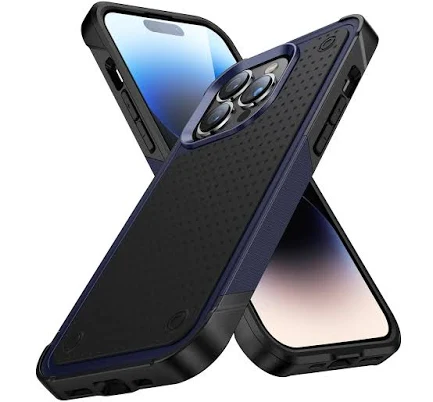
Rugged Armor · Waterproof Phone Cases
360° Protection Rugged Armor Shockproof iPhone Case
No coating described, and no PFAS statement from the brand.
The product information we reviewed describes thermoplastic polyurethane (TPU) or silicone elastomer, with no water-repellent coating named. Water resistance on products like this usually comes from the material and its seals rather than a surface treatment. The brand has published no PFAS statement for it.
We flunk more products than we pass. This one earned its grade. How we grade
Material
Thermoplastic polyurethane (TPU) or silicone elastomer
Brand disclosure
Brand is silent on PFAS
Lab data
No public lab test
What 360° Protection Rugged Armor Shockproof is made of, ingredients and materials
This case is constructed from thermoplastic polyurethane (TPU) or silicone elastomer, both synthetic polymers chosen for shock absorption and flexibility rather than rigidity. Neither material requires heavy metal stabilizers or flame retardant additives in typical phone case formulations. TPU and silicone do not leach BPA, phthalates, or other endocrine disruptors into food or skin under normal smartphone-use conditions (room temperature contact with a device that does not heat significantly).
What’s concerning
Category baseline
The starting point for this type of product, before anything specific to this product is counted.
Vague safety claims only
Uses vague language ("eco-friendly", "clean") without a specific PFAS statement.
Microplastics
TPU and silicone are prone to environmental weathering (UV, heat, flex cycles) over years of use; microscopic particles may shed into the environment when disposed. This is a product-lifespan concern rather than a direct user-safety hazard, but relevant for informed purchase decisions.
Source, EPA ↗Volatile organic compounds (VOCs) off-gassing
New TPU and silicone cases can emit odors from residual solvents and plasticizers in the first weeks. This is typically mild and does not pose a toxicological risk to the user (the device sits outside the body); airing the case before use will reduce odor.
What’s reassuring
Base material not linked to PFAS
The main material recorded for this product is not one associated with PFAS.
Heavy metals
No cadmium, lead, or antimony have been documented in Rugged Armor case formulations. The material class (TPU, silicone) does not inherently require these metals. Without third-party testing, this remains unverified but no evidence of contamination is on record.
Source, FDA ↗BPA & bisphenols
Modern TPU and silicone phone cases do not require BPA or phthalates for function; they are not used as plasticizers in these formulations. The case material does not contact food or mucous membranes in normal use, reducing exposure relevance even if trace amounts were present.
Source, FDA ↗Formaldehyde / VOCs
Phone cases typically do not use formaldehyde-releasing resins or high-temperature curing processes that would trap formaldehyde. No published data links Rugged Armor cases to formaldehyde off-gassing.
Source, ATSDR ↗The full breakdown
The brand's record and disclosure
Rugged Armor has made no public PFAS statement and no coating is described on this product, meaning waterproofing relies on the material's inherent elasticity and case seals rather than a fluorinated finish. No recalls, safety controversies, or third-party certifications (e.g., OEKO-TEX, ISO 14855 biodegradability) are on record for this brand in the phone-case space. The brand's silence on material sourcing and chemical testing is typical for the low-cost protective case market, not a red flag.
How it compares in its category
Rugged Armor cases occupy the middle tier of phone-case safety, better than cheaper rubberized or PVC cases (which may contain legacy phthalates) but offering no third-party sustainability or toxicology certification that premium brands sometimes provide. TPU and silicone cases avoid the ceramic-coating wear and metal-leaching concerns of hard plastic or aluminum shells. The trade-off is durability, TPU yellows and softens with UV exposure and heat over 2-3 years, requiring eventual replacement.
If you buy it
Store the case away from direct sunlight and heat sources above 50C (122F) to slow degradation and discoloration; TPU is sensitive to UV. Wash the case periodically with mild soap and water to remove sweat and oils that can degrade the material and harm fit. If the case becomes sticky, brittle, or the protective seal visibly cracks, replace it; this signals loss of shock absorption and waterproofing integrity. Do not deliberately heat-stress the case or expose it to solvents (acetone, strong alcohols), which can soften and degrade the elastomer.
What we don’t know
- Basis
- Model estimate, 35% confidence, not a lab result
- Lab test
- None on record for this exact product
- Brand statement
- Rugged Armor has made none
Formulations change between production runs, so check the current label. How we grade.
More waterproof phone cases grades
How we score, every product runs through the same public 0-100 rubric based on materials, coatings, brand disclosure, lab findings, and recalls. See the full methodology → Spotted a mistake? Report an error.