· Grease-Resistant Butcher & Deli Paper
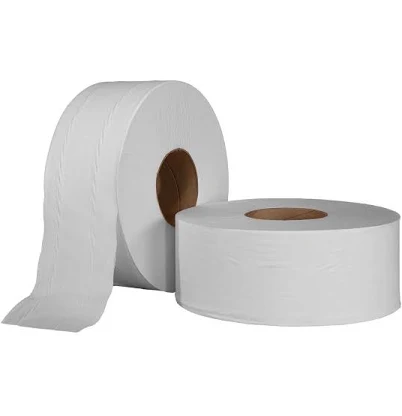
Harbor Toilet Paper 12 Rolls 2000 Sheet 1000 ft.
Lower concern. Toilet paper is bare cellulose with no obvious PFAS triggers.
This toilet paper contains no reported water-resistant or grease-resistant coatings typical of PFAS use. Standard virgin and recycled paper carries lower PFAS risk than treated products.
We flunk more products than we pass. This one earned its grade. How we grade
Material
Virgin and recycled paper, no reported coating
Brand disclosure
Brand is silent on PFAS
Lab data
No public lab test
You may also be interested in
Top-graded picks in the categories readers replace first, every one scored on the same rubric.

- polypropylene filter housing, carbon/sediment cartridge
- We found no PFAS statement from the brand
- Bacterial growth in spent cartridges
3 hazards checked on this product, all on its full breakdown.

Aquasure
Premier Series 75 GPD Under Sink Reverse Osmosis Water Filtration System
- RO membrane, carbon filters, stainless steel housing
- We found no PFAS statement from the brand
- Bacterial and microbial growth in housing and filters
4 hazards checked on this product, all on its full breakdown.

Avocado
Vegan Mattress
- organic cotton, natural latex, coconut coir, recycled steel coils
- The brand calls it PFAS-free, which we have not verified
- Heavy metals
2 hazards checked on this product, all on its full breakdown.
What Harbor Toilet Paper 12 Rolls 2000 ft. is made of, ingredients and materials
Harbor toilet paper is manufactured from a blend of virgin and recycled cellulose fibers with no reported resin coatings, plastic films, or chemical treatments. The 2000-sheet roll format (1000 ft total) indicates standard tissue processing without specialty additives. Toilet paper does not contact food and is designed for rapid biodegradation, making material composition less critical than for food-contact or body-contact products.
What’s concerning
Category baseline
The starting point for this type of product, before anything specific to this product is counted.
No PFAS disclosure
No public statement from the brand about PFAS in this product.
Ink residue from recycled content
Recycled toilet paper may contain trace printing inks or dyes from source material. The brand does not publish ink specifications; heavy metals in inks are regulated but not always disclosed. Direct skin contact risk is minimal given brief, localized exposure and intact barrier function.
Chlorine bleach residue
The brand does not specify whether this line uses chlorine or chlorine-free bleaching. Elemental chlorine residue in tissue is minimal and rinses away; concern is mainly environmental rather than user safety. FSC or TCF certification would confirm chlorine-free status but is not stated for this product.
What’s reassuring
Base material not linked to PFAS
The main material recorded for this product is not one associated with PFAS.
Formaldehyde / VOCs
No evidence that Harbor uses formaldehyde-based wet-strength resins. Standard virgin and recycled tissue manufacturing does not require such additives. Toilet paper is not subject to the same resin regulations as textiles.
Source, ATSDR ↗Microplastic shedding from degradation
Toilet paper is designed to disintegrate in water and septic systems. No evidence of added microplastics or plastic-based coatings in this product. Fiber shedding during use is normal and does not constitute a hazard.
Perfume or fragrance additives
Harbor is listed as unscented. Fragranced toilet paper can trigger contact dermatitis in sensitive users, but this product contains no reported fragrance chemicals.
How is this PFAS grade calculated?
The brand's record and disclosure
The brand is a long-established tissue manufacturer owned by Henkel. The company has not faced major recalls or safety violations specific to toilet paper products in public records. The brand does not prominently publish third-party certifications (FSC, chlorine-free claims) for this budget line, though the use of recycled content is stated. No reported controversies exist regarding formaldehyde resins, azo dyes, or heavy metal inks in their toilet tissue.
How it compares in its category
Toilet paper is a low-hazard category compared to other tissue products (napkins, paper towels) because it contacts only intact skin and mucous membranes briefly. Harbor's virgin-plus-recycled composition is standard across mid-range brands; premium alternatives (100% virgin) cost more but pose no lower chemical risk. Budget brands occasionally face criticism for recycled-content quality (dust, ink particles) rather than safety hazards.
If you buy it
No special handling is required; store in a dry environment to prevent mold or mildew on the roll. Toilet paper has no temperature or pH limits in normal use. If you have severe skin sensitivity or inflammatory bowel conditions, test on a small area first, though chemical irritation is rare with uncoated tissue. Replace if the roll becomes visibly contaminated or develops odor.
What is not known about PFAS in this product?
- Basis
- Model estimate, 82% confidence, not a lab result
- Lab test
- None on record for this exact product
- Brand statement
- has made none
Formulations change between production runs, so check the current label. How we grade.
What are the PFAS-free alternatives to Harbor Toilet Paper 12 Rolls 2000 Sheet 1000 ft.?
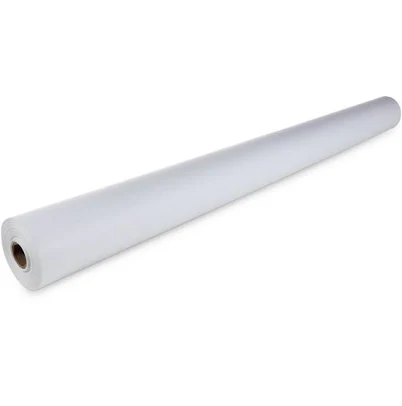
IDL Packaging
White Butcher Paper 18" x 12000" Natural Butcher Paper Roll for Meat and Fish
- unbleached natural kraft paper
- The brand calls it PFAS-free, which we have not verified
- Mold or microbial growth
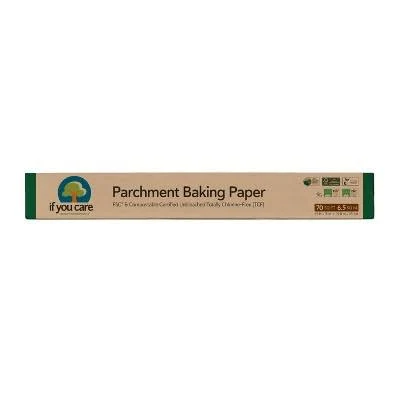
- unbleached parchment paper, silicone coating
- The brand calls it PFAS-free, which we have not verified
- Silicone coating degradation under heat stress
2 hazards checked on this product, all on its full breakdown.
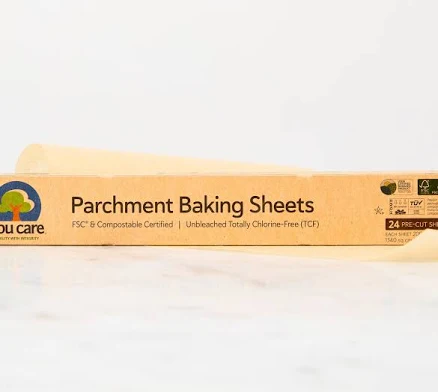
- Silicone-coated parchment paper
- The brand calls it PFAS-free, which we have not verified
- Silicone coating degradation at high heat
More grease-resistant butcher & deli paper grades
How we score, every product runs through the same public 0-100 rubric based on materials, coatings, brand disclosure, lab findings, and recalls. See the full methodology → Spotted a mistake? Report an error.