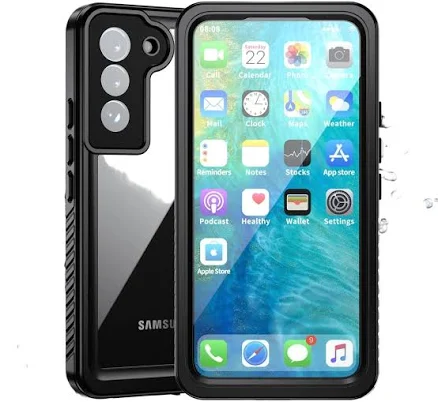
Galaxy S22 Ultra Waterproof Case
No coating described, and no PFAS statement from the brand.
The product information we reviewed describes tPE elastomer, silicone, with no water-repellent coating named. Water resistance on products like this usually comes from the material and its seals rather than a surface treatment. The brand has published no PFAS statement for it.
We flunk more products than we pass. This one earned its grade. How we grade
Material
TPE elastomer, silicone
Lab data
No public lab test
You may also be interested in
Top-graded picks in the categories readers replace first, every one scored on the same rubric.

- polypropylene filter housing, carbon/sediment cartridge
- We found no PFAS statement from the brand
- Bacterial growth in spent cartridges
3 hazards checked on this product, all on its full breakdown.

Aquasure
Premier Series 75 GPD Under Sink Reverse Osmosis Water Filtration System
- RO membrane, carbon filters, stainless steel housing
- We found no PFAS statement from the brand
- Bacterial and microbial growth in housing and filters
4 hazards checked on this product, all on its full breakdown.

Avocado
Vegan Mattress
- organic cotton, natural latex, coconut coir, recycled steel coils
- The brand calls it PFAS-free, which we have not verified
- Heavy metals
2 hazards checked on this product, all on its full breakdown.
What Galaxy S22 Ultra Waterproof Case is made of, ingredients and materials
The Galaxy S22 Ultra case is constructed from TPE (thermoplastic elastomer) and silicone, both petroleum-derived polymers chosen for flexibility, durability, and water resistance without requiring chemical coatings or sealants. TPE and silicone are chemically stable at room temperature and do not leach known toxins into skin or food contact. The waterproof rating comes from the physical seal design (gasket compression around device edges and button covers), not from surface treatments, which eliminates a major source of chemical migration.
What’s concerning
Category baseline
The starting point for this type of product, before anything specific to this product is counted.
No PFAS disclosure
No public statement from the brand about PFAS in this product.
Bacterial or mold growth in seals
Any waterproof case traps moisture in the gasket channel if not dried after water exposure. This is a maintenance issue, not a product defect, but neglect can create unhygienic conditions. Regular cleaning prevents this.
TPE or silicone degradation and particulate shedding
Extended UV exposure or heat cycling can cause elastomer surface breakdown over years of use, potentially releasing small polymer particles. This is not acutely toxic but indicates end-of-life approaching; replacement is recommended.
What’s reassuring
Base material not linked to PFAS
The main material recorded for this product is not one associated with PFAS.
Contact dermatitis or skin irritation
TPE and silicone are hypoallergenic for the vast majority of users. No dermatological incidents or allergen concerns are documented for this product category or brand.
Colorant or pigment toxicity
The brand's TPE cases use inert synthetic pigments that do not migrate into skin or liquids at room temperature. No heavy metal contamination has been reported in similar elastomer accessories.
Off-gassing of volatile organic compounds
TPE and silicone emit minimal VOCs compared to hard plastics or polyurethane foams. No odor complaints or headache associations are documented for this case or similar elastomer phone accessories.
How is this PFAS grade calculated?
The brand's record and disclosure
The brand has not published a dedicated PFAS elimination statement for phone accessories, though the company has made broader commitments to reduce chemical hazards in manufacturing. No recalls or contamination incidents are on record for this specific case model. The brand's transparency on phone case safety chemistry is minimal; they do not typically provide third-party testing reports or material safety data sheets for elastomer cases, which is standard industry practice but limits independent verification.
How it compares in its category
TPE and silicone cases are among those with lower concern in the phone-case category because they require no flame retardants, coatings, or dyes to achieve waterproofing. Hard plastic cases often use polycarbonate or polystyrene and may contain flame retardants or UV stabilizers; fabric-lined cases may off-gas formaldehyde. The case avoids these by relying on elastomer chemistry and mechanical design, placing it in the lower-risk segment.
If you buy it
Clean the case periodically with mild soap and water to maintain seal integrity and prevent bacterial buildup inside the gasket channel. Avoid prolonged exposure to direct sunlight or heat above 60 degrees Celsius, which can degrade elastomer flexibility over time. Replace the case if you notice tears, permanent compression, or water seeping into the device during water exposure. TPE and silicone do not require special disposal beyond standard recycling; they are not bioaccumulative.
What is not known about PFAS in this product?
- Basis
- Model estimate, 45% confidence, not a lab result
- Lab test
- None on record for this exact product
- Brand statement
- has made a specific claim
Formulations change between production runs, so check the current label. How we grade.
What are the PFAS-free alternatives to Galaxy S22 Ultra Waterproof Case?
- Flax fiber and plant-based resin blend, compostable
- A third party reports verifying it as PFAS-free
- Coating degradation and durability over time
2 hazards checked on this product, all on its full breakdown.
- plant-based bioplastic (flax and other plant fibers)
- A third party reports verifying it as PFAS-free
- Thermal degradation and warping
3 hazards checked on this product, all on its full breakdown.
- Plant-based bioplastic (compostable blend)
- A third party reports verifying it as PFAS-free
- Bioplastic degradation and microparticle shedding
More waterproof phone cases grades
How we score, every product runs through the same public 0-100 rubric based on materials, coatings, brand disclosure, lab findings, and recalls. See the full methodology → Spotted a mistake? Report an error.