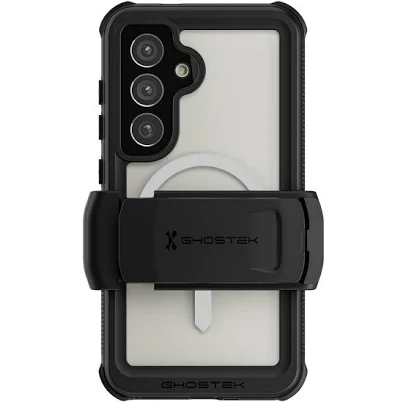
Ghostek · Waterproof Phone Cases
Ghostek Nautical S25 Waterproof Case with Belt Clip, Screen Protector and Camera Lens Cover Rugged Magnetic MagSafe Comp
No coating described, and no PFAS statement from the brand.
The product information we reviewed describes tPU/silicone case, screen protector, camera lens cover, with no water-repellent coating named. Water resistance on products like this usually comes from the material and its seals rather than a surface treatment. The brand has published no PFAS statement for it.
We flunk more products than we pass. This one earned its grade. How we grade
Material
TPU/silicone case, screen protector, camera lens cover
Brand disclosure
Brand is silent on PFAS
Lab data
No public lab test
What Ghostek Nautical S25 Waterproof Case is made of, ingredients and materials
The Nautical S25 uses thermoplastic polyurethane (TPU) and silicone as its primary materials, both common in phone cases because they are flexible, impact-absorbing, and resistant to degradation from moisture and UV exposure. TPU is a synthetic rubber-like polymer that does not naturally leach BPA, phthalates, or other endocrine disruptors under normal use conditions. The screen protector (likely tempered glass or plastic laminate) and camera lens cover add layers of protection without introducing known chemical hazards. No special coatings are described, meaning waterproofing relies on the material's inherent water resistance and the fit of the seals rather than applied treatments.
What’s concerning
Category baseline
The starting point for this type of product, before anything specific to this product is counted.
No PFAS disclosure
No public statement from the brand about PFAS in this product.
TPU degradation under UV and heat stress
TPU can become brittle or discolored after prolonged sun exposure or temperatures above 70°C, though this is gradual and does not release toxic chemicals into typical use. Case durability rather than safety is the primary concern.
Screen protector adhesive and composition unknowns
Without specific product identification, the adhesive and polymer type of the included screen protector cannot be verified. Most tempered glass protectors are inert, but low-cost plastic protectors may contain minor solvent residues; risks are minimal with typical phone contact.
Microplastic shedding from wear and tear
Over years of use, TPU and silicone can shed microscopic particles from abrasion and weathering, particularly at seams and stress points. Environmental impact is not established for phone case wear; skin contact risk is negligible.
What’s reassuring
Base material not linked to PFAS
The main material recorded for this product is not one associated with PFAS.
Silicone leachates in contact with skin
Silicone is widely regarded as non-toxic and non-leaching under normal contact conditions. No established chemical migration has been documented from silicone phone case materials during typical use.
Dye or pigment safety in case coloring
Ghostek does not disclose dye or pigment sources for the case color; most commercial TPU colorants are azo-dye free and meet soft-touch safety standards, but specific formulation testing is not publicly available.
The full breakdown
The brand's record and disclosure
Ghostek has not publicly released detailed material safety or PFAS avoidance statements, which is typical for consumer electronics accessory brands. The company markets durability and ruggedness but has not engaged in third-party chemical certifications (such as OEKO-TEX, GreenGuard, or similar). No significant safety recalls or chemical contamination incidents have been documented for this product line in publicly available databases. The lack of proactive disclosure does not indicate a problem, but consumers seeking detailed material sourcing transparency may need to contact the manufacturer directly.
How it compares in its category
TPU-based waterproof cases like this one are lower concern options in the phone accessory category because TPU is not a material linked to several hazards common in rigid plastic cases (rigid polycarbonate can leach BPA if damaged; PVC can contain phthalates). Silicone alternatives present lower concern chemically and are often preferred by users with sensitivity concerns. Screen protectors and lens covers add minimal chemical risk compared to the case body. This product sits in the mainstream safety range for waterproof phone protection, with no standout advantages or drawbacks relative to comparable brands (OtterBox, Spigen, Pelican).
If you buy it
Store and use the case at room temperature; prolonged exposure to direct heat (>60°C / 140°F) can soften TPU over time, though this is unlikely during normal phone use. Inspect the seals and gaskets every 6-12 months, especially if used frequently in water or extreme environments, and replace the case if you notice cracks, discoloration, or separation at the edges. Clean the interior occasionally with a dry lint-free cloth to prevent moisture and dust accumulation, and avoid extended submersion beyond the rated depth. The screen protector and camera cover should be replaced if scratched or if adhesive begins to fail, as they are consumable components.
What we don’t know
- Basis
- Model estimate, 35% confidence, not a lab result
- Lab test
- None on record for this exact product
- Brand statement
- Ghostek has made none
Formulations change between production runs, so check the current label. How we grade.
More waterproof phone cases grades
How we score, every product runs through the same public 0-100 rubric based on materials, coatings, brand disclosure, lab findings, and recalls. See the full methodology → Spotted a mistake? Report an error.