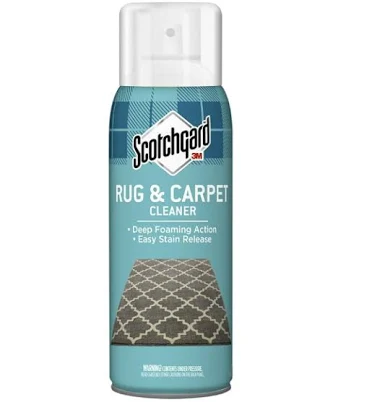
Scotchgard · Fabric Stain Guard Sprays
3M Scotchgard Fabric & Carpet Cleaner
Cleaner, not coating; lower PFAS risk versus treated textiles.
Rinse-away fabric cleaner rather than protective treatment. Unlike Scotchgard protectants, cleaners carry lower inherent PFAS concern though 3M discloses nothing.
We flunk more products than we pass. This one earned its grade. How we grade
Material
aqueous cleaner solution, surfactants
Lab data
No public lab test
What 3M Scotchgard Fabric & Carpet Cleaner is made of, ingredients and materials
Scotchgard Fabric & Carpet Cleaner is an aqueous surfactant-based solution formulated to lift and suspend soil from fibers without the heavy solvent load of older spot removers. The product relies on water, detergents, and likely optical brighteners or foam stabilizers rather than volatile organic compounds or chlorinated solvents. This chemistry profile reduces acute inhalation risk and dermatological irritation compared to solvent-based competitors, though surfactants can still cause skin or eye irritation if concentrated product contacts them directly.
What’s concerning
No PFAS disclosure
No public statement from the brand about PFAS in this product.
Category baseline
The starting point for this type of product, before anything specific to this product is counted.
Skin and eye irritation from surfactants
Aqueous cleaners inherently contain surfactants that can irritate mucous membranes and eyes if sprayed directly or concentrate contacts skin. Risk is low during normal spray-and-wipe use but present if product is misused or splashed.
Respiratory irritation from spray aerosol inhalation
Spray application creates fine mist that can irritate airways in poorly ventilated spaces or if user breathes directly over treated area. Effect is typically mild and self-resolving but more pronounced in individuals with asthma or chemical sensitivity.
Dye transfer or fabric degradation
Surfactants can mobilize dyes in some fabrics or alter finish properties if overapplied or left wet for extended periods. Risk is low with proper use and spot-testing, but not zero.
Ingestion hazard in children or pets
Like most household cleaners, accidental ingestion by small children or pets can cause mild gastrointestinal distress. Product should be stored securely; if ingested, contact poison control or a veterinarian.
What’s reassuring
Base material not linked to PFAS
The main material recorded for this product is not one associated with PFAS.
VOC off-gassing or acute inhalation hazard
No volatile organic compounds or hazardous solvent vapor documented in typical aqueous fabric cleaner formulations of this type. Water-based chemistry minimizes this risk versus solvent-based predecessors.
The full breakdown
The brand's record and disclosure
3M does not publicly disclose detailed ingredient lists for Scotchgard Fabric Cleaner on standard safety labels, which is typical for consumer spray products but limits independent hazard verification. The parent company has faced significant litigation and settlement over legacy PFOA contamination in other product lines (notably water-resistant textiles), but that pertains to surface-treatment coatings, not this aqueous cleaner formulation. No major recalls or safety advisories on record for this specific product. 3M's stance on PFAS in cleaners themselves remains largely silent.
How it compares in its category
Most fabric and carpet cleaners in this market segment are water-based surfactant solutions; Scotchgard's formulation is conventional for the category and carries no special hazard profile relative to unnamed store-brand equivalents. Solvent-based or hydrogen-peroxide-based alternatives pose higher acute inhalation and chemical sensitivity risk. The main differentiation is brand reputation and cleaning efficacy, not chemical safety.
If you buy it
Use in well-ventilated areas to minimize any inhalation of spray aerosol or cleaning gases released during use. Avoid direct skin or eye contact with concentrate; diluted spray poses lower risk but still warrants caution around face and eyes. Test on an inconspicuous area of fabric first to confirm dye stability and finish compatibility. Store away from heat and direct sunlight, and keep out of reach of children and pets; if swallowed, seek medical advice.
What we don’t know
- Basis
- Model estimate, 72% confidence, not a lab result
- Lab test
- None on record for this exact product
- Brand statement
- Scotchgard has made a specific claim
Formulations change between production runs, so check the current label. How we grade.
More fabric stain guard sprays grades
How we score, every product runs through the same public 0-100 rubric based on materials, coatings, brand disclosure, lab findings, and recalls. See the full methodology → Spotted a mistake? Report an error.