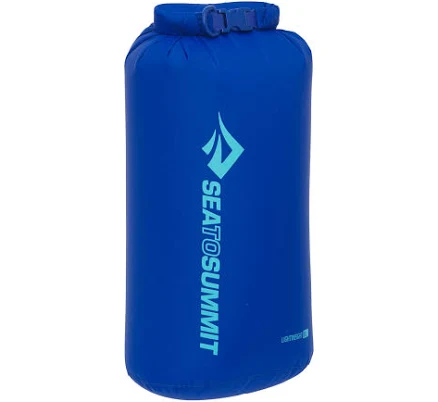
Sea to Summit · Waterproof Outdoor Gear Storage Bags
Sea to Summit Lightweight Dry Bag
Waterproof dry bags typically use PFAS water-repellent coating; check tag.
Sea to Summit refuses to disclose PFAS in this product. Lightweight dry bags commonly use water-repellent coating coatings that often contain PFAS; material details stay private.
Still want this one anyway? Check the price on Amazon. We’d swap it.
Material
Nylon fabric with waterproof water-repellent coating
Brand disclosure
Brand is silent on PFAS
Lab data
No public lab test
What Sea to Summit Lightweight Dry Bag is made of, ingredients and materials
Sea to Summit's Lightweight Dry Bag uses nylon fabric with a water-repellent coating (water-repellent coating) coating to achieve waterproofing without full lamination. The water-repellent coating treatment is applied to the fabric surface to shed water while remaining breathable. Nylon itself is a stable synthetic polymer with low inherent toxicity, but the water-repellent coating chemistry is the critical variable. Most commercial dry bags in this weight class use fluorinated water-repellent coating (PFAS-based), though some brands have shifted to fluorine-free alternatives; Sea to Summit's specific formulation is not publicly disclosed.
What’s concerning
Category baseline
The starting point for this type of product, before anything specific to this product is counted.
No PFAS disclosure
No public statement from the brand about PFAS in this product.
Waterproof / stain-resistant treatment
Water-repellent coating treatments have historically used PFAS.
water-repellent coating degradation and leaching
As the nylon water-repellent coating wears through repeated use and washing, residual coating chemicals and breakdown products may leach from fabric fibers, particularly when wet. Risk increases with age and UV exposure; heavily used bags show visible coating failure within 2-3 years.
Azo dyes in colored fabric
If the dry bag uses synthetic dyes (common for nylon), azo dyes are a potential concern; however, most modern gear manufacturers use compliant dye formulations. The risk is low unless the bag shows unusual dye transfer when wet or rubbed. Sea to Summit products are not flagged in public safety databases for dye issues.
Microplastic shedding from synthetic fabric
Nylon sheds microfibers during use and washing, particularly from abraded seams and high-friction areas. Dry bags are not typically heated, which limits microplastic release compared to laundry, but shedding during storage, packing, and unpacking is inevitable; environmental impact occurs primarily through washing.
What’s reassuring
Formaldehyde / VOCs
Nylon itself does not typically contain formaldehyde resins (these are more common in cotton blends and wrinkle-resistant treatments), but finishing processes may introduce trace amounts. No specific issues documented for Sea to Summit nylon bags.
Source, ATSDR ↗Antimony in polyester components (seams/straps)
Sea to Summit Lightweight Dry Bags use nylon as the primary material; polyester is not listed as a primary component. If reinforcement seams or handles include polyester thread, antimony (used as a polymerization catalyst) is theoretically present but at negligible levels in consumer products.
The full breakdown
The brand's record and disclosure
Sea to Summit is an established outdoor gear manufacturer with general reputation for quality but maintains minimal public disclosure on chemical composition and water-repellent coating type. The brand does not appear on major PFAS-free certifications or sustainability initiatives that would clarify their waterproof coating chemistry. No significant product recalls or safety controversies are documented in public records for this product line. Transparency regarding water-repellent coating composition remains a gap; contacting the manufacturer directly is recommended if PFAS exposure is a decision factor.
How it compares in its category
Nylon dry bags with water-repellent coating are the industry standard for lightweight waterproofing and represent the middle ground between fully laminated (heavier, more durable) and uncoated (lighter, less water-resistant) options. Sea to Summit's product is typical for the segment; competitors like Osprey and Patagonia offer similar constructions, though some eco-focused brands now advertise fluorine-free water-repellent coating. Price and weight are competitive, but chemical transparency is not a differentiating strength across most manufacturers in this category.
If you buy it
Wash by hand with cool water and mild soap; avoid machine washing and hot water, which can degrade the water-repellent coating and increase leaching risk. Do not tumble dry or expose to direct heat sources. Reapply water-repellent coating treatment every 12-24 months depending on use frequency; commercial water-repellent coating sprays are available but introduce the same chemical exposure question. Inspect the bag for coating wear (water no longer beads) and seam integrity before long trips; replacement is recommended when water penetration occurs despite treatment.
What we don’t know
- Basis
- Model estimate, 45% confidence, not a lab result
- Lab test
- None on record for this exact product
- Brand statement
- Sea to Summit has made none
Formulations change between production runs, so check the current label. How we grade.
Better-graded alternatives in Waterproof Outdoor Gear Storage Bags
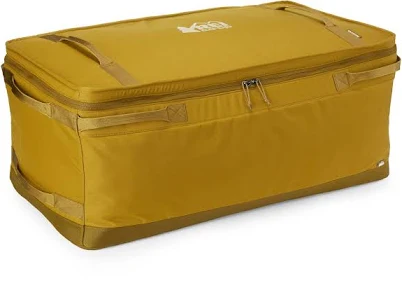
REI Co-op
Trailgate Gear Bin Green 140 L
- Polypropylene storage bin, no water-resistant coating mentioned
- UV degradation and additive leaching
3 hazards checked on this product. See all of them.
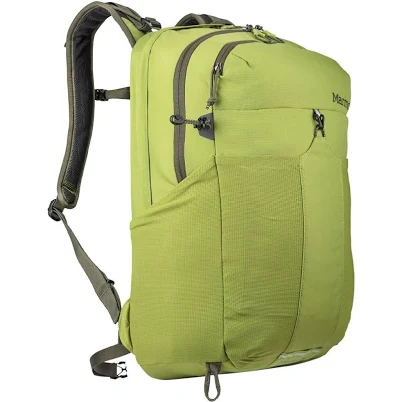
Marmot
Tool Box
- Nylon, polyester, cotton blend; details unspecified
- Volatile organic compounds (VOCs) from polyester and nylon manufacturing
5 hazards checked on this product. See all of them.
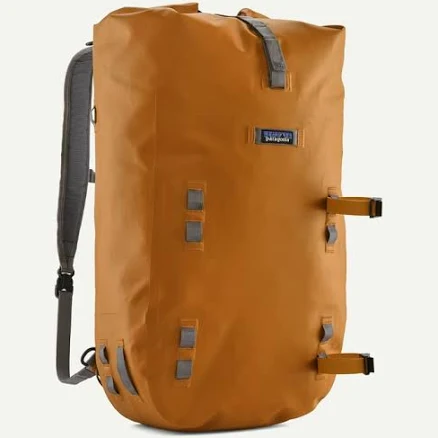
Patagonia
Disperser Roll Top Pack 40L
- Recycled polyester with water-repellent coating (water-repellent coating) finish
- The brand calls it PFAS-free, which we have not verified
- PFAS
4 hazards checked on this product. See all of them.
More waterproof outdoor gear storage bags grades
How we score, every product runs through the same public 0-100 rubric based on materials, coatings, brand disclosure, lab findings, and recalls. See the full methodology → Spotted a mistake? Report an error.