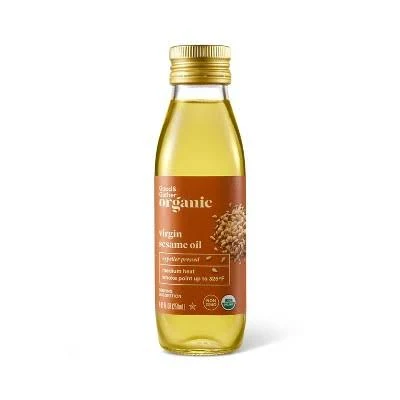
Sesame Oil · Cast Iron Cookware Seasoning & Oil
Good & Gather Organic Virgin Sesame Oil
Lower concern; oil product, not cookware; no PFAS pathway typical.
This is cooking oil, not cookware, and unrefined sesame oil has no known PFAS application or treatment pathway. Oil products carry lower concern than coated kitchen equipment.
The better-graded swap
Crisbee
Stik Cast Iron Seasoning
85/100 safety
Same rubric that flunked this product. The swap earned Excellent.
Still want this one anyway? Check the price on Amazon. We’d swap it.
Material
Cold-pressed virgin sesame oil
Brand disclosure
Brand is silent on PFAS
Lab data
No public lab test
You may also be interested in
Top-graded picks in the categories readers replace first, every one scored on the same rubric.

- polypropylene filter housing, carbon/sediment cartridge
- We found no PFAS statement from the brand
- Bacterial growth in spent cartridges
3 hazards checked on this product, all on its full breakdown.

Aquasure
Premier Series 75 GPD Under Sink Reverse Osmosis Water Filtration System
- RO membrane, carbon filters, stainless steel housing
- We found no PFAS statement from the brand
- Bacterial and microbial growth in housing and filters
4 hazards checked on this product, all on its full breakdown.

Avocado
Vegan Mattress
- organic cotton, natural latex, coconut coir, recycled steel coils
- The brand calls it PFAS-free, which we have not verified
- Heavy metals
2 hazards checked on this product, all on its full breakdown.
What Good & Gather Organic Virgin Sesame Oil is made of, ingredients and materials
Good & Gather Organic Virgin Sesame Oil is mechanically pressed from sesame seeds without heat or chemical extraction, meaning it retains natural antioxidants (sesamol, sesamin) and has minimal processing residues. Cold-pressed oils do not undergo the solvent extraction, bleaching, or deodorizing steps that conventional oils do, which eliminates pathways for synthetic chemical introduction. As a liquid oil product (not cookware), it has no coating, enamel, glazing, or non-stick surface that could degrade or leach metals. The main chemical stability concern is oxidation over time, not leaching into food.
What’s concerning
No PFAS disclosure
No public statement from the brand about PFAS in this product.
Category baseline
The starting point for this type of product, before anything specific to this product is counted.
Oxidative rancidity and degradation
Cold-pressed oils lack the stabilizing effects of refining and may oxidize more readily over time, especially if exposed to light or heat. Rancid oil develops off-flavors and potentially irritating compounds, though acute toxicity from rancidity alone is low in small dietary quantities.
Heavy metals
Sesame crops grown in contaminated soils can accumulate cadmium or lead; USDA Organic certification does not require heavy metal testing. No independent lab results for Good & Gather sesame oil cadmium or lead levels are publicly available, so risk cannot be ruled out but remains unquantified.
Source, FDA ↗Allergen cross-contamination
Sesame is a tree nut allergen; no label statement regarding shared processing facilities or cross-contamination risk is typically visible on mainstream retail sesame oils. Individuals with sesame allergies should verify facility claims or contact the brand directly.
What’s reassuring
Base material not linked to PFAS
The main material recorded for this product is not one associated with PFAS.
Solvent residues (processing)
Cold-pressed production eliminates hexane or other organic solvent extraction used in conventional oil processing. No solvent residue pathway exists for mechanically pressed oils, and no residue detection has been reported for this brand.
Microbial or mold contamination
No documented foodborne illness outbreaks or contamination recalls linked to Good & Gather Organic Virgin Sesame Oil are on record. Standard factory food safety protocols and USDA Organic handling requirements reduce risk, but independent verification is not disclosed.
How is this PFAS grade calculated?
The brand's record and disclosure
Good & Gather (Target's private label) does not publicly disclose third-party testing results or certifications beyond the 'Organic' label on this product. USDA Organic certification requires no synthetic pesticides or fertilizers, but does not mandate heavy metal or contaminant testing. No recalls, adverse event reports, or documented contamination incidents involving Good & Gather Organic Virgin Sesame Oil are on public record. The brand maintains general food safety compliance but does not provide product-specific safety documentation or transparency beyond label claims.
How it compares in its category
Within cold-pressed sesame oils, Good & Gather sits in the mainstream retail segment with pricing and availability comparable to store brands; premium alternatives (e.g., single-origin, small-batch) often carry higher transparency but no proven safety advantage. Conventional sesame oils undergo high-heat refining and may retain trace solvent residues (hexane in some cases), making cold-pressed variants lower concern if solvent exposure is a concern. Organic certification provides assurance against synthetic pesticide residues, which is the primary chemical hazard class relevant to oils rather than cookware-specific risks.
If you buy it
Store in a cool, dark place away from direct sunlight to slow oxidative rancidity, which can generate unpleasant compounds but is not acutely toxic; discard if smell becomes musty or off. Cold-pressed sesame oil has a lower smoke point (around 350F) than refined varieties, so use it for low-heat cooking, drizzling, or dressing rather than high-heat frying. Check the expiration date and consume within 6-12 months of opening for best flavor and minimal oxidation. No special container or maintenance is required beyond standard pantry storage.
What is not known about PFAS in this product?
- Basis
- Model estimate, 92% confidence, not a lab result
- Lab test
- None on record for this exact product
- Brand statement
- Sesame Oil has made none
Formulations change between production runs, so check the current label. How we grade.
What are the PFAS-free alternatives to Good & Gather Organic Virgin Sesame Oil?
- Organic waxes and oils blend
- We found no PFAS statement from the brand
- Oil rancidity and off-gassing
2 hazards checked on this product, all on its full breakdown.
- mineral oil and soy-based oil blend
- Aerosol inhalation (mineral oil mist)
3 hazards checked on this product, all on its full breakdown.
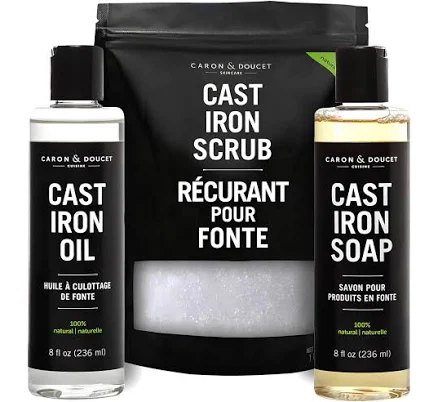
Cast Iron Ultimate Bundle
- cast iron, bare or seasoned with the brand
- We found no PFAS statement from the brand
- Iron leaching into food
2 hazards checked on this product, all on its full breakdown.
More cast iron cookware seasoning & oil grades
How we score, every product runs through the same public 0-100 rubric based on materials, coatings, brand disclosure, lab findings, and recalls. See the full methodology → Spotted a mistake? Report an error.