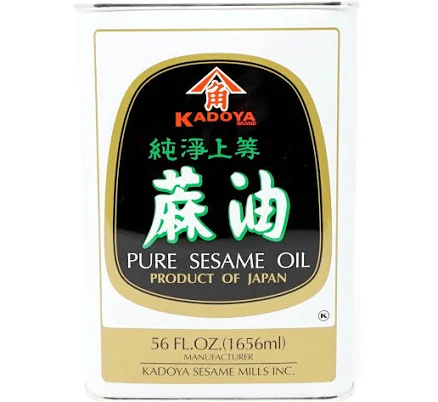
Sesame Oil · Cast Iron Cookware Seasoning & Oil
KADOYA Pure Sesame Oil
Lower concern; pure oil product, no PFAS-prone coatings.
Pure sesame oil is a liquid edible oil with no coating, treatment, or waterproofing that introduces PFAS. Standard food oils carry minimal PFAS risk.
The better-graded swap
Lodge
Cast Iron Seasoning Spray
85/100 safety
Same rubric that flunked this product. The swap earned Excellent.
Still want this one anyway? Check the price on Amazon. We’d swap it.
Material
Pure sesame oil, liquid edible oil
Brand disclosure
Brand is silent on PFAS
Lab data
No public lab test
You may also be interested in
Top-graded picks in the categories readers replace first, every one scored on the same rubric.

- polypropylene filter housing, carbon/sediment cartridge
- We found no PFAS statement from the brand
- Bacterial growth in spent cartridges
3 hazards checked on this product, all on its full breakdown.

Aquasure
Premier Series 75 GPD Under Sink Reverse Osmosis Water Filtration System
- RO membrane, carbon filters, stainless steel housing
- We found no PFAS statement from the brand
- Bacterial and microbial growth in housing and filters
4 hazards checked on this product, all on its full breakdown.

Avocado
Vegan Mattress
- organic cotton, natural latex, coconut coir, recycled steel coils
- The brand calls it PFAS-free, which we have not verified
- Heavy metals
2 hazards checked on this product, all on its full breakdown.
What KADOYA Pure Sesame Oil is made of, ingredients and materials
KADOYA Pure Sesame Oil is a cold-pressed or mechanically extracted liquid oil from sesame seeds, containing primarily oleic and linoleic fatty acids with natural antioxidants like sesamol and sesamin. Unlike cookware coatings or packaged foods, the product itself is not a processed chemical formulation and carries no intentional synthetic additives in the oil phase. The main safety consideration is oxidative stability and rancidity risk over time, not chemical toxins.
What’s concerning
No PFAS disclosure
No public statement from the brand about PFAS in this product.
Category baseline
The starting point for this type of product, before anything specific to this product is counted.
Oxidative rancidity and degradation
Pure sesame oil naturally oxidizes over time, especially if exposed to light or heat; rancid oil can develop off-flavors and potentially irritating compounds. Risk is manageable with proper storage (dark, cool, sealed container) and typical shelf life of 6-12 months after opening.
Smoke point and thermal degradation
Sesame oil has a moderate smoke point (350-450 degrees F); heating above this threshold can generate aldehydes and other volatile compounds from oil breakdown. Risk is low if used as intended for low-to-medium heat cooking or as a finishing oil, but misuse in high-heat frying may create respiratory irritants.
What’s reassuring
Base material not linked to PFAS
The main material recorded for this product is not one associated with PFAS.
Contaminants from seed sourcing
No established recalls or public reports of pesticide residues, aflatoxins, or heavy metals in KADOYA sesame oil. Standard food-grade oils undergo supplier testing and comply with regulatory limits in major export markets, but organic certification is not claimed on most labels.
Allergenicity (sesame protein)
Pure pressed sesame oil contains minimal protein residue and is not considered a major allergen trigger compared to whole sesame seeds; however, persons with sesame allergy should verify product safety with their physician. This is a food allergen concern, not a toxicological hazard in the product itself.
How is this PFAS grade calculated?
The brand's record and disclosure
KADOYA is a long-established Japanese sesame oil producer with decades of market presence and no publicly recorded recalls or safety violations specific to this product line. The brand does not prominently advertise third-party testing or organic certification on most labels, though many KADOYA oils meet food-safety regulatory standards in export markets including the US and EU. No controversies regarding mislabeling, contamination, or undisclosed ingredients are on public record.
How it compares in its category
As a pure, single-ingredient oil with no coating, enamel, or ceramic components, KADOYA sesame oil presents lower concern than non-stick cookware or ceramic-lined pans that carry lead, cadmium, or Teflon-type coating risks. Compared to other cooking oils, sesame oil has a moderate smoke point (around 350-450 degrees F depending on refinement), making it suitable for low-to-medium heat cooking and salad dressings but not ideal for high-heat frying. It is chemically simpler than blended or refined seed oils with potential residual solvents.
If you buy it
Store KADOYA sesame oil in a cool, dark place or refrigerate after opening to slow oxidative degradation and rancidity, which can develop over 6-12 months depending on storage conditions. Do not heat sesame oil above 350-400 degrees F to avoid smoke and potential breakdown of heat-sensitive antioxidants; use it for sauteing, dressings, or finishing dishes. Check the bottle for signs of off-odor, cloudiness, or separation before use; discard if rancid, as oxidized oils may irritate the digestive system. Opened bottles should be used within 3-6 months for best quality.
What is not known about PFAS in this product?
- Basis
- Model estimate, 92% confidence, not a lab result
- Lab test
- None on record for this exact product
- Brand statement
- Sesame Oil has made none
Formulations change between production runs, so check the current label. How we grade.
What are the PFAS-free alternatives to KADOYA Pure Sesame Oil?
- Organic waxes and oils blend
- We found no PFAS statement from the brand
- Oil rancidity and off-gassing
2 hazards checked on this product, all on its full breakdown.
- mineral oil and soy-based oil blend
- Aerosol inhalation (mineral oil mist)
3 hazards checked on this product, all on its full breakdown.
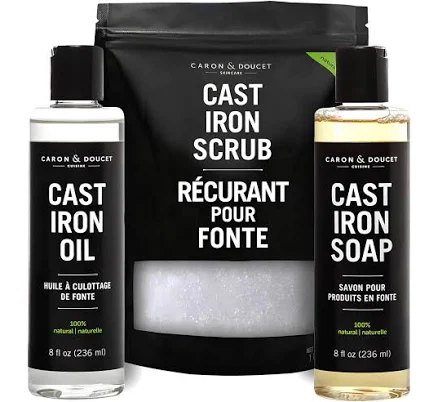
Cast Iron Ultimate Bundle
- cast iron, bare or seasoned with the brand
- We found no PFAS statement from the brand
- Iron leaching into food
2 hazards checked on this product, all on its full breakdown.
More cast iron cookware seasoning & oil grades
How we score, every product runs through the same public 0-100 rubric based on materials, coatings, brand disclosure, lab findings, and recalls. See the full methodology → Spotted a mistake? Report an error.