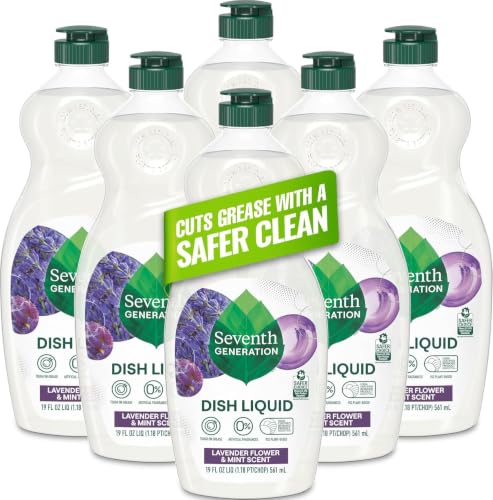
Seventh Generation · Dish Soap
Seventh Generation Dish Soap - Lavender Flower & Mint
Lower concern. No known PFAS use in liquid dish soap formulations.
Seventh Generation is recognized for avoiding PFAS in household cleaners and holds third-party certifications. Liquid dish soaps rarely require water-repellent or stain-resistant coatings, making PFAS exposure from this product unlikely.
We flunk more products than we pass. This one earned its grade. How we grade
Material
aqueous surfactants, plant-based ingredients
Lab data
No public lab test
You may also be interested in
Top-graded picks in the categories readers replace first, every one scored on the same rubric.

- polypropylene filter housing, carbon/sediment cartridge
- We found no PFAS statement from the brand
- Bacterial growth in spent cartridges
3 hazards checked on this product, all on its full breakdown.

Aquasure
Premier Series 75 GPD Under Sink Reverse Osmosis Water Filtration System
- RO membrane, carbon filters, stainless steel housing
- We found no PFAS statement from the brand
- Bacterial and microbial growth in housing and filters
4 hazards checked on this product, all on its full breakdown.

Avocado
Vegan Mattress
- organic cotton, natural latex, coconut coir, recycled steel coils
- The brand calls it PFAS-free, which we have not verified
- Heavy metals
2 hazards checked on this product, all on its full breakdown.
What Seventh Generation Dish Soap Mint is made of, ingredients and materials
Seventh Generation Dish Soap is formulated around plant-derived surfactants (coconut and palm oil esters) and water as its primary components, with lavender and mint as fragrance and botanical extracts. Unlike conventional petroleum-based detergents, plant surfactants are more readily biodegradable and pose lower persistence risk in aquatic systems. The aqueous base eliminates volatile organic compound (VOC) off-gassing typical of solvent-based cleaners; lavender and mint essences are volatile but at concentrations used in rinse-off products, dermal and respiratory exposure is minimal.
What’s concerning
Category baseline
The starting point for this type of product, before anything specific to this product is counted.
Fragrance allergens (lavender, mint botanical extracts)
Lavender and mint contain limonene and linalool, known contact allergens in sensitive populations. Exposure risk is low in a rinse-off product but higher if skin contact is prolonged or the product contacts eyes or damaged skin.
Aquatic toxicity from surfactant residue
Even plant-derived surfactants can persist in wastewater if not fully biodegraded; impact is lower than synthetic alternatives but not zero. Product labeling does not specify surfactant biodegradation rates.
What’s reassuring
Base material not linked to PFAS
The main material recorded for this product is not one associated with PFAS.
Third-party PFAS-free verification
A third party reports verifying this product as PFAS-free.
1,4-dioxane (non-ionic surfactant contaminant)
Plant-derived surfactants used in this product do not require ethoxylation, a process that can introduce 1,4-dioxane. No testing data on record; plant-based formulations of this type are not known to harbor this contaminant.
Lead
Lavender and mint are processed plant material; bioaccumulation of heavy metals is possible but not documented in Seventh Generation products. EPA Safer Choice certification implies vendor screening, but no published heavy-metal assay is publicly available.
Source, ATSDR ↗Formaldehyde / VOCs
Brand documentation states avoidance of formaldehyde-releasing preservatives; aqueous plant-based formulas are less prone to microbial spoilage than oil-based products, reducing preservative load.
Source, ATSDR ↗How is this PFAS grade calculated?
The brand's record and disclosure
Seventh Generation is a subsidiary of Unilever certified by the EPA Safer Choice program and holds B Corp certification, indicating third-party vetting of ingredient safety and environmental claims. The brand explicitly avoids synthetic dyes, phosphates, chlorine, and formaldehyde-releasing preservatives; product labeling is transparent about ingredient sourcing. No recalls or safety controversies tied to this specific product are on record; the brand's stance on PFAS is not publicly detailed, but plant-based liquid detergents are not known to contain or require PFAS compounds.
How it compares in its category
Plant-based liquid dish soaps like this sit at the lower end of hazard concern compared to conventional brands (which may contain synthetic fragrances with undisclosed allergens, petroleum surfactants, or legacy antimicrobials like triclosan). Seventh Generation's EPA certification distinguishes it from unvetted 'natural' brands with weak safety documentation. Cost is typically 20-40 percent higher than mass-market alternatives, reflecting stricter supply-chain oversight rather than superior cleaning performance.
If you buy it
Liquid dish soap requires no special storage beyond cool, dry conditions away from children; no heat-use or coating-degradation concerns apply. Use diluted in warm water as directed on the label. The product has indefinite shelf life if kept sealed; no replacement trigger based on safety occurs unless the bottle shows visible contamination or caking at the nozzle. For hand washing, rinse thoroughly after use; this product is non-toxic if ingested in trace amounts but is not food-safe.
What is not known about PFAS in this product?
- Basis
- Model estimate, 82% confidence, not a lab result
- Lab test
- None on record for this exact product
- Brand statement
- Seventh Generation has made a specific claim
Formulations change between production runs, so check the current label. How we grade.
More dish soap grades
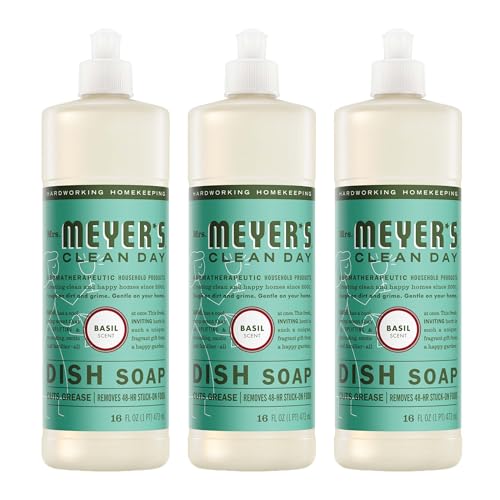 100Mrs. Meyer's Clean Day Basil Dish Soap
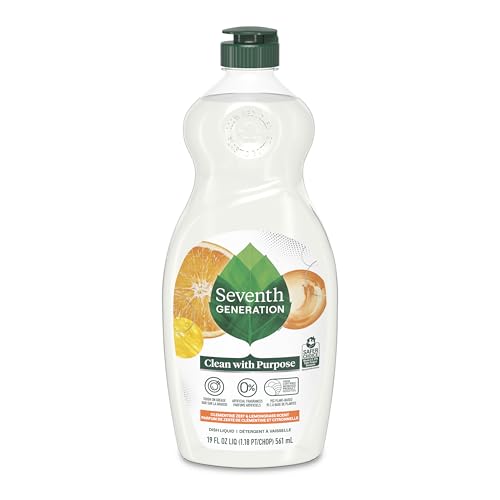 100Seventh Generation Dish Soap - Clementine Zest & Lemongrass
 100Seventh Generation Dish Soap - Fresh Lime & Ginger
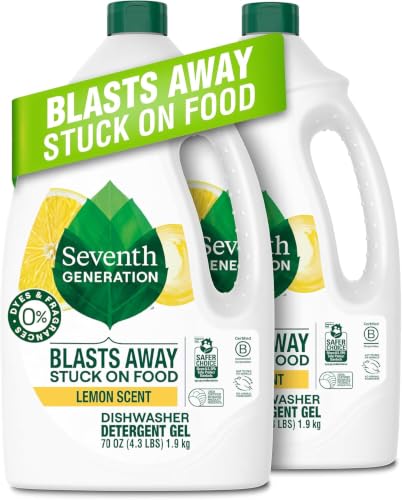 100Seventh Generation Dish Soap - Lemon
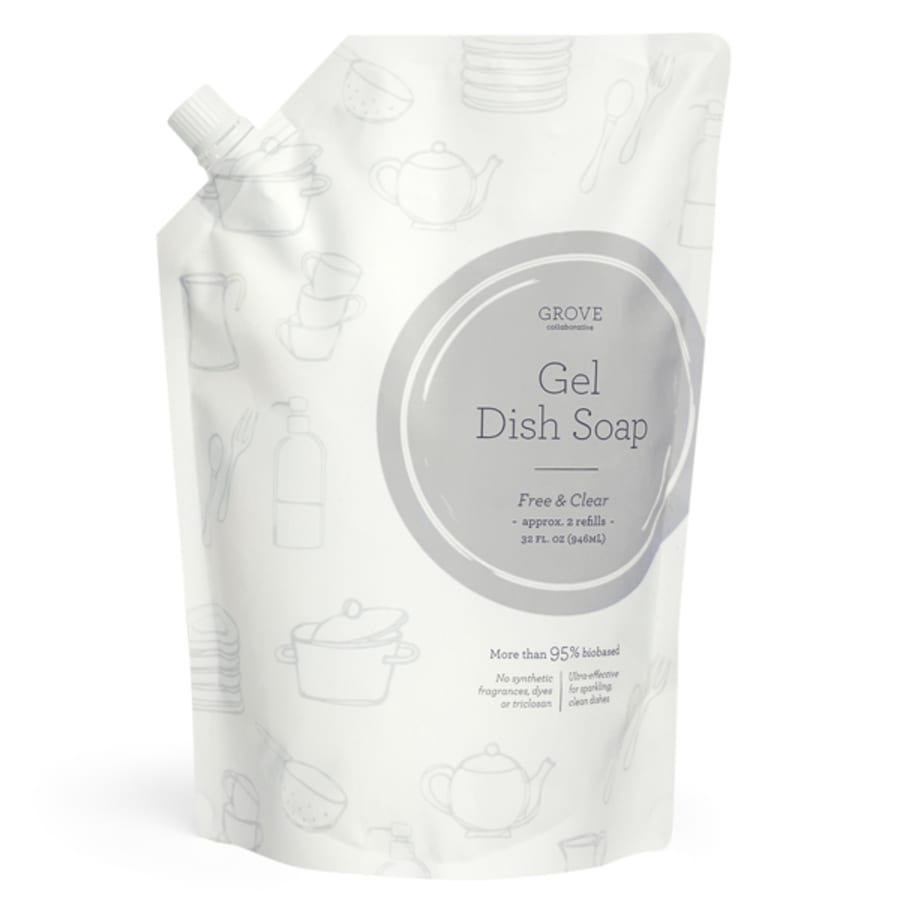 100Dish Soap
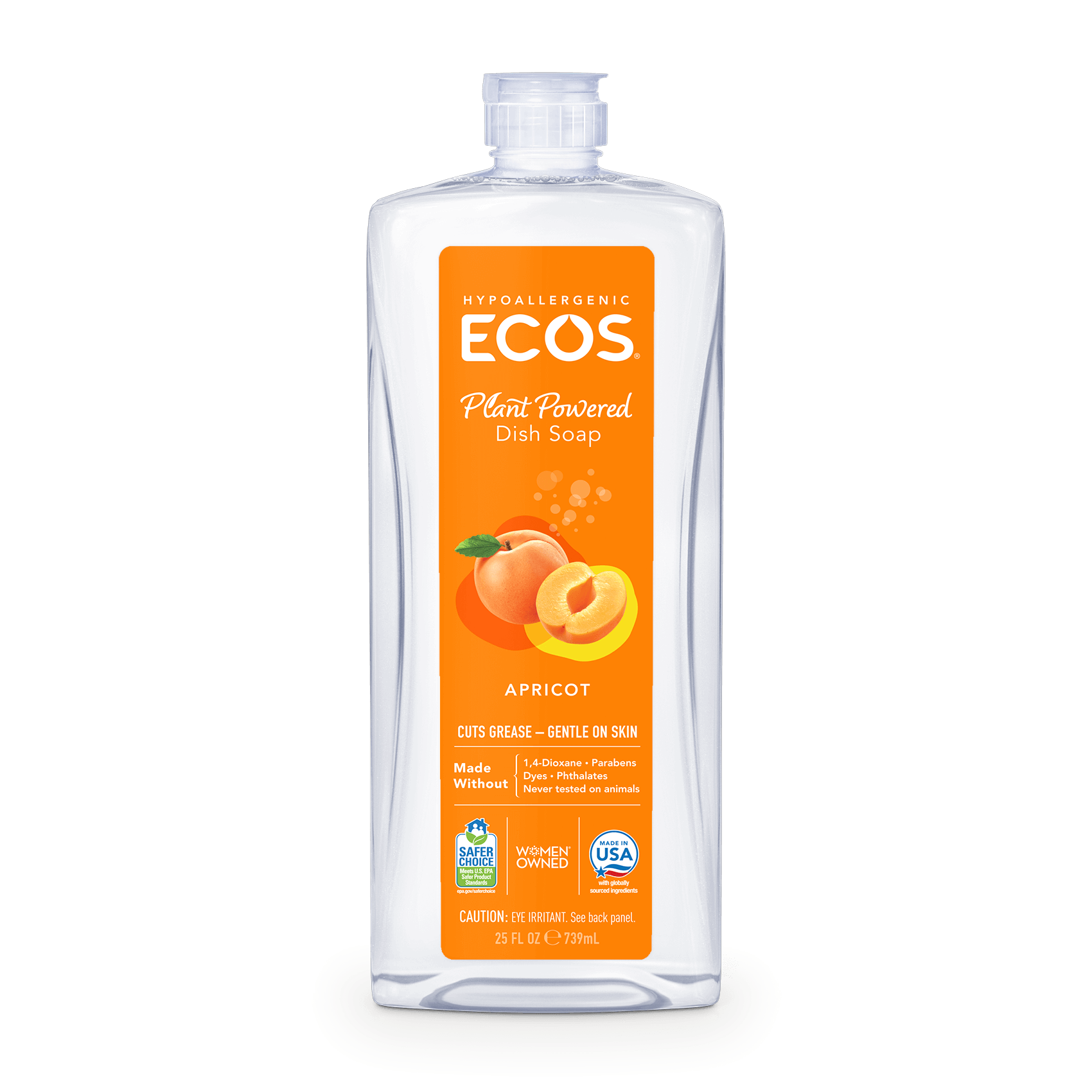 100ECOS Dish Soap – Apricot
 100ECOS Dish Soap – Free & Clear
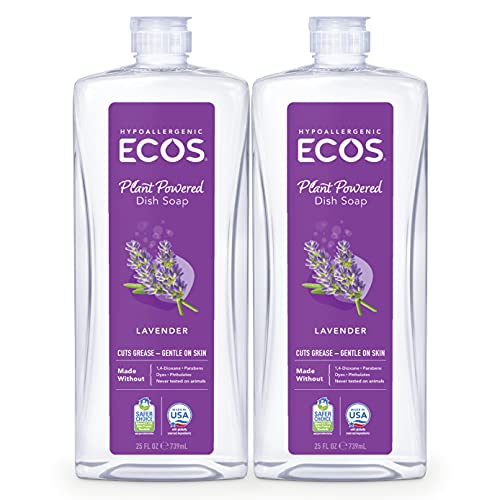 100ECOS Dish Soap – Lavender
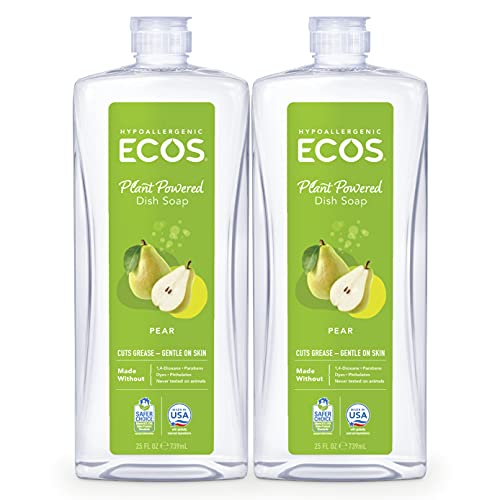 100ECOS Dish Soap – Pear
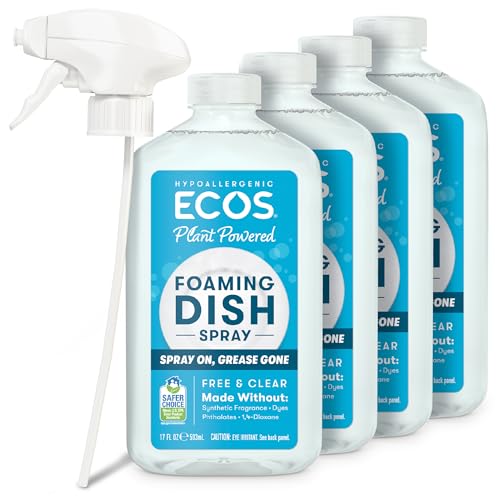 100ECOS Foaming Dish Soap – Free & ClearCompare vs Ecos →All dish soap →
How we score, every product runs through the same public 0-100 rubric based on materials, coatings, brand disclosure, lab findings, and recalls. See the full methodology → Spotted a mistake? Report an error.