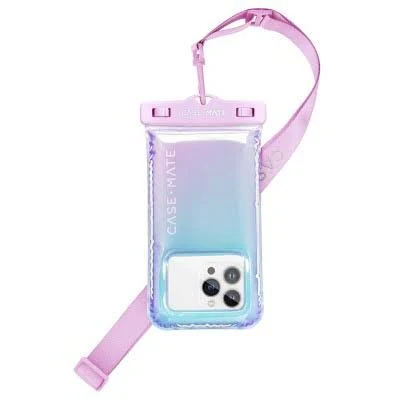
Case-Mate · Waterproof Phone Cases
Case Mate Waterproof Floating Pouch
No coating described, and no PFAS statement from the brand.
The product information we reviewed describes unspecified fabric/plastic, with no water-repellent coating named. Water resistance on products like this usually comes from the material and its seals rather than a surface treatment. The brand has published no PFAS statement for it.
We flunk more products than we pass. This one earned its grade. How we grade
Material
Unspecified fabric/plastic
Brand disclosure
Brand is silent on PFAS
Lab data
No public lab test
You may also be interested in
Top-graded picks in the categories readers replace first, every one scored on the same rubric.

- polypropylene filter housing, carbon/sediment cartridge
- We found no PFAS statement from the brand
- Bacterial growth in spent cartridges
3 hazards checked on this product, all on its full breakdown.

Aquasure
Premier Series 75 GPD Under Sink Reverse Osmosis Water Filtration System
- RO membrane, carbon filters, stainless steel housing
- We found no PFAS statement from the brand
- Bacterial and microbial growth in housing and filters
4 hazards checked on this product, all on its full breakdown.

Avocado
Vegan Mattress
- organic cotton, natural latex, coconut coir, recycled steel coils
- The brand calls it PFAS-free, which we have not verified
- Heavy metals
2 hazards checked on this product, all on its full breakdown.
What Case Mate Waterproof Floating Pouch is made of, ingredients and materials
Case-Mate does not publicly specify the exact fabric or plastic blend in this floating pouch, which limits material assessment. Waterproof pouches typically use either laminated synthetic fabrics (polyester + TPU or PVC) or solid thermoplastics like EVA or PVC. Without manufacturer detail, the specific polymer chemistry, adhesive composition, and any coatings remain unconfirmed. The lack of transparency is the primary concern, not necessarily the material itself.
What’s concerning
Category baseline
The starting point for this type of product, before anything specific to this product is counted.
No PFAS disclosure
No public statement from the brand about PFAS in this product.
Coating or adhesive leachables (unspecified)
If the pouch uses laminated fabric (polyester + TPU) or welded seams, adhesives or heat-sealing resins may leach into stored items under hot or humid conditions. Case-Mate does not disclose adhesive chemistry; polyurethane-based laminates are standard but can off-gas VOCs in poorly ventilated storage.
Mold and bacterial growth (maintenance-dependent)
Waterproof pouches trap moisture if not fully dried before sealing. Damp interiors create a microenvironment for mold, mildew, and bacteria, especially in warm or humid climates. This is a user-maintenance hazard, not a material defect.
Seal or zipper degradation and failure
User reviews on retail sites note that zippers and seals can weaken after 1-2 years of regular use, compromising waterproof integrity. This is a durability issue rather than a toxicological one, but loss of seal can expose contents to water ingress.
PVC or chlorinated plastic off-gassing
If the pouch is made partly or wholly from PVC (common in budget waterproof products), it may off-gas phthalates or chlorine-based compounds, especially when warm. Case-Mate's material silence makes this speculative; modern TPU laminates avoid this, but cannot be confirmed here.
What’s reassuring
Base material not linked to PFAS
The main material recorded for this product is not one associated with PFAS.
Formaldehyde / VOCs
No public testing or brand statement confirms the use of azo dyes, formaldehyde finishes, or other textile chemical treatments in this pouch. The absence of certification (Oeko-Tex) means hazards are unverified, not absent.
Source, ATSDR ↗How is this PFAS grade calculated?
The brand's record and disclosure
Case-Mate is a mainstream consumer electronics accessories brand with no major public safety recalls or hazard disclosures tied to this product line. The brand has published no statement on PFAS use or avoidance, and no third-party certifications (e.g., Oeko-Tex, GOTS) are evident for this pouch. No documented formaldehyde, heavy metal, or antimicrobial treatment controversies are associated with Case-Mate's soft-goods lines.
How it compares in its category
Waterproof floating pouches are a low-risk category overall because they contain no moving parts, non-food surfaces, and minimal skin contact. Competitors (e.g., LifeProof, Spigen, generic TPU options) face the same material transparency issue; Case-Mate sits in the mid-tier for brand transparency and consumer support. The pouch format inherently avoids heat exposure and food contact, eliminating several hazards present in cookware or food storage.
If you buy it
Rinse the pouch with fresh water after saltwater or chlorinated water exposure to prevent mold and material degradation. Avoid prolonged direct sunlight storage, as UV exposure can degrade synthetic fabrics and seals over time. Allow the pouch to air-dry fully before sealing to prevent trapped moisture and bacterial growth inside. Replace it if the zipper or seals show visible wear, as waterproofing is the primary safety function.
What is not known about PFAS in this product?
- Basis
- Model estimate, 35% confidence, not a lab result
- Lab test
- None on record for this exact product
- Brand statement
- Case-Mate has made none
Formulations change between production runs, so check the current label. How we grade.
What are the PFAS-free alternatives to Case Mate Waterproof Floating Pouch?
- Flax fiber and plant-based resin blend, compostable
- A third party reports verifying it as PFAS-free
- Coating degradation and durability over time
2 hazards checked on this product, all on its full breakdown.
- plant-based bioplastic (flax and other plant fibers)
- A third party reports verifying it as PFAS-free
- Thermal degradation and warping
3 hazards checked on this product, all on its full breakdown.
- Plant-based bioplastic (compostable blend)
- A third party reports verifying it as PFAS-free
- Bioplastic degradation and microparticle shedding
More waterproof phone cases grades
How we score, every product runs through the same public 0-100 rubric based on materials, coatings, brand disclosure, lab findings, and recalls. See the full methodology → Spotted a mistake? Report an error.