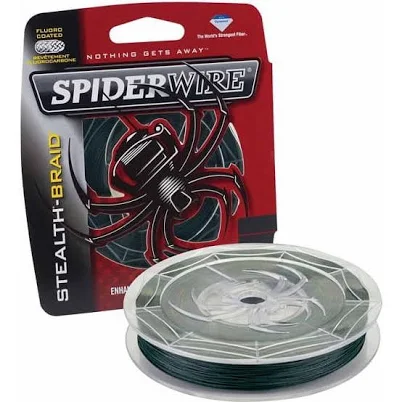
SpiderWire Stealth
Skip; fishing line coating unknown, PFAS risk unclear without disclosure.
This braided line with undisclosed coating offers durability and stealth performance, but SpiderWire provides no information on PFAS presence or absence. Fishing line coatings historically may contain Teflon-family coating.
The better-graded swap
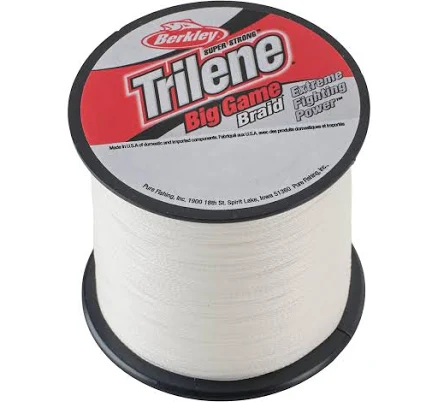
Berkley
Berkley Trilene Big Game Braid
85/100 safety
Same rubric that flunked this product. The swap earned Excellent.
Still want this one anyway? Check the price on Amazon. We’d swap it.
Material
Braided fishing line (polymer blend, coating unspecified)
Brand disclosure
Brand is silent on PFAS
Lab data
No public lab test
You may also be interested in
Top-graded picks in the categories readers replace first, every one scored on the same rubric.

- polypropylene filter housing, carbon/sediment cartridge
- We found no PFAS statement from the brand
- Bacterial growth in spent cartridges
3 hazards checked on this product, all on its full breakdown.

Aquasure
Premier Series 75 GPD Under Sink Reverse Osmosis Water Filtration System
- RO membrane, carbon filters, stainless steel housing
- We found no PFAS statement from the brand
- Bacterial and microbial growth in housing and filters
4 hazards checked on this product, all on its full breakdown.

Avocado
Vegan Mattress
- organic cotton, natural latex, coconut coir, recycled steel coils
- The brand calls it PFAS-free, which we have not verified
- Heavy metals
2 hazards checked on this product, all on its full breakdown.
What SpiderWire Stealth is made of, ingredients and materials
SpiderWire Stealth is a braided fishing line made from a polymer blend (typically polyethylene or polypropylene fibers interwoven for strength), with an applied surface coating whose composition the manufacturer has not publicly disclosed. The coating determines durability, water resistance, and potential leaching into water or onto skin during handling. Without transparency on coating ingredients, the true chemical profile of this product remains incomplete for safety assessment.
What’s concerning
Category baseline
The starting point for this type of product, before anything specific to this product is counted.
No PFAS disclosure
No public statement from the brand about PFAS in this product.
Unknown / proprietary coating
A coating is recorded with no disclosed chemistry.
PFAS
Undisclosed coating composition. PFAS use in fishing-line coatings is widespread industry practice; SpiderWire's silence on this hazard leaves PFAS presence unconfirmed but plausible.
Source, ATSDR ↗Coating leaching into water or skin
Unknown coating chemistry means unknown leaching profile. Any synthetic polymer coating can degrade with UV exposure, heat, and friction; degraded coating may shed particles or leachates into water or onto hands.
Microplastics
Braided nylon and polyethylene fishing lines are recognized contributors to microplastic pollution in aquatic environments when lost or discarded. Stealth line will fragment over time in water, especially in sunlight.
Source, EPA ↗Skin irritation from coating or fibers
Handling braided line can cause minor cuts or abrasion; undisclosed coating additives (dyes, UV absorbers, or slip agents) may trigger contact dermatitis in sensitive individuals, though this is not documented for this product.
What’s reassuring
Lead
No public reports of heavy-metal contamination in SpiderWire Stealth line. Pigments in fishing line are typically low-concern, but manufacturer analysis or third-party testing would be required to confirm.
Source, ATSDR ↗How is this PFAS grade calculated?
The brand's record and disclosure
SpiderWire (owned by pure fishing brands) does not publicly disclose coating chemistry or PFAS content for its Stealth line, despite PFAS use being common in water-resistant polymer coatings for fishing line. The brand has issued no independent third-party certifications or safety statements addressing PFAS avoidance. This silence is significant because fishing lines are designed to be water-resistant, a function historically achieved with PFAS compounds in the industry.
How it compares in its category
Braided fishing lines in this market segment typically use Teflon-type coating or other fluorinated coatings for slickness and durability; SpiderWire Stealth's lack of disclosure places it in an ambiguous position. Some competitors explicitly avoid PFAS (e.g., certain monofilament or non-coated braids), while others follow industry norms without disclosure. Stealth's marketing emphasizes visibility and castability, not chemical safety, which is the norm for the category.
If you buy it
Minimize skin contact during handling and casting; wash hands after use, especially before eating or touching face. Store in a cool, dry place away from direct sunlight to slow coating degradation. Replace line yearly or after visible fraying, discoloration, or loss of water beading, as coating breakdown may increase leaching. Dispose of old line responsibly (do not flush); consider switching to a PFAS-free alternative if water contamination is a personal concern.
What is not known about PFAS in this product?
- Basis
- Model estimate, 35% confidence, not a lab result
- Lab test
- None on record for this exact product
- Brand statement
- Spiderwire has made none
Formulations change between production runs, so check the current label. How we grade.
What are the PFAS-free alternatives to SpiderWire Stealth?
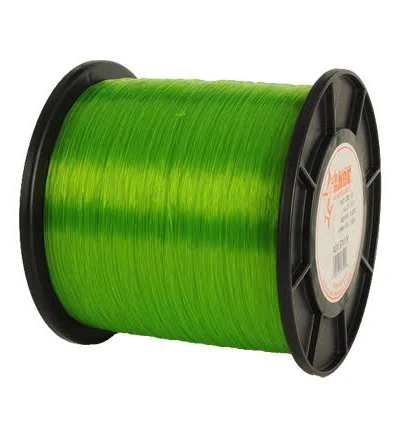
- Monofilament nylon fishing line
- We found no PFAS statement from the brand
- Microplastic shedding during use
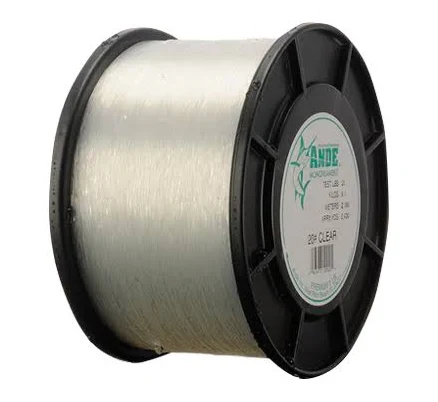
- Monofilament nylon fishing line
- We found no PFAS statement from the brand
- Microplastic fragmentation
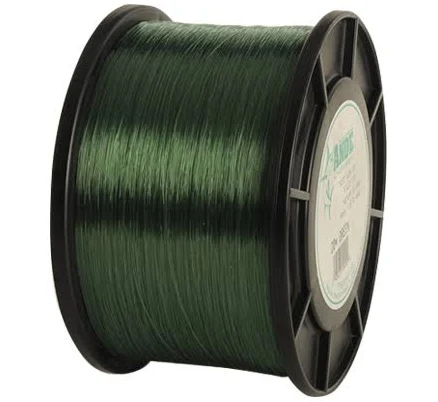
- Monofilament nylon fishing line
- We found no PFAS statement from the brand
- UV degradation and polymer brittleness
2 hazards checked on this product, all on its full breakdown.
More fishing line grades
How we score, every product runs through the same public 0-100 rubric based on materials, coatings, brand disclosure, lab findings, and recalls. See the full methodology → Spotted a mistake? Report an error.