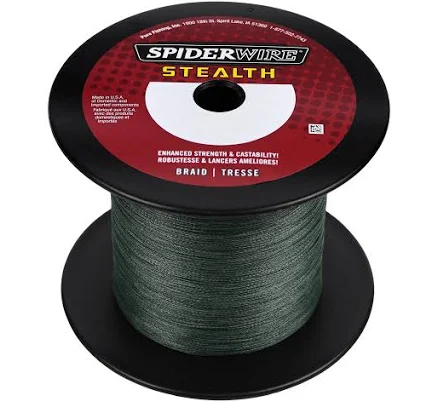
Spiderwire Stealth Braid Line
Skip or contact SpiderWire; braided lines often use PFAS-based water-repellent coatings.
Braided polyethylene designed for water resistance and durability, but SpiderWire makes no PFAS disclosure. Braided synthetics frequently receive water-repellent coating treatments historically containing PFAS.
The better-graded swap
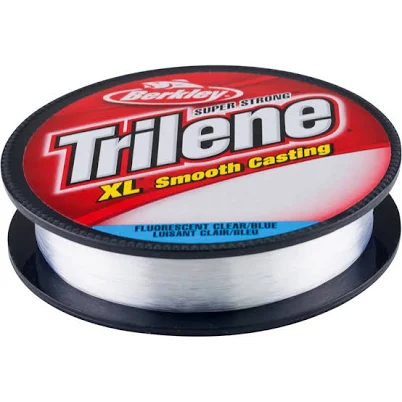
Berkley
Berkley Trilene XL
85/100 safety
Same rubric that flunked this product. The swap earned Excellent.
Still want this one anyway? Check the price on Amazon. We’d swap it.
Material
Braided polyethylene fiber with unknown coating/treatment
Brand disclosure
Brand is silent on PFAS
Lab data
No public lab test
You may also be interested in
Top-graded picks in the categories readers replace first, every one scored on the same rubric.

- polypropylene filter housing, carbon/sediment cartridge
- We found no PFAS statement from the brand
- Bacterial growth in spent cartridges
3 hazards checked on this product, all on its full breakdown.

Aquasure
Premier Series 75 GPD Under Sink Reverse Osmosis Water Filtration System
- RO membrane, carbon filters, stainless steel housing
- We found no PFAS statement from the brand
- Bacterial and microbial growth in housing and filters
4 hazards checked on this product, all on its full breakdown.

Avocado
Vegan Mattress
- organic cotton, natural latex, coconut coir, recycled steel coils
- The brand calls it PFAS-free, which we have not verified
- Heavy metals
2 hazards checked on this product, all on its full breakdown.
What Spiderwire Stealth Braid Line is made of, ingredients and materials
Spiderwire Stealth Braid is a braided polyethylene (PE) fiber core, which is chemically stable and non-toxic under normal fishing use. The "Stealth" designation typically indicates a coating or treatment applied for water repellence, UV protection, or camouflage, this coating composition is proprietary and not disclosed publicly. Braided lines are inherently more durable than monofilament but require specific coating chemistry to resist moisture absorption and algae growth; the exact nature of Spiderwire's coating is unknown.
What’s concerning
Category baseline
The starting point for this type of product, before anything specific to this product is counted.
No PFAS disclosure
No public statement from the brand about PFAS in this product.
Unknown / proprietary coating
A coating is recorded with no disclosed chemistry.
PFAS
Braided fishing lines commonly use PFAS-based Teflon-family coating coatings for water and abrasion resistance. Spiderwire has not disclosed coating composition; the Stealth line's treatment is presumed but unconfirmed.
Source, ATSDR ↗Microplastic shedding from coating degradation
As the coating wears or breaks down under UV, tension, and abrasion, small particles may shed into water. Long-term shedding rates and particle size for Spiderwire Stealth are not documented.
Undisclosed additives in proprietary coating
The Stealth line's coating remains proprietary; additives, UV absorbers, colorants, or slip agents are not declared and cannot be assessed without manufacturer data or third-party lab analysis.
What’s reassuring
Polyethylene core stability under heat or pressure
Braided PE is thermally stable during normal fishing use (room temperature water). No reported failures or leaching under standard conditions, though sustained sunlight exposure can degrade any polymer over years.
Heavy metals
No published testing of Spiderwire Stealth for lead, cadmium, or other metals in dyes or manufacturing additives. Fishing lines are not regulated for this as food-contact materials.
Source, FDA ↗How is this PFAS grade calculated?
The brand's record and disclosure
Spiderwire (owned by Pure Fishing) does not publish material safety data sheets or ingredient transparency for fishing lines. No independent lab testing of Spiderwire Stealth Braid for heavy metals, Teflon-type coating off-gassing, or contaminants has been published in consumer safety databases. The brand's silence on PFAS and coating chemistry is standard for the fishing line industry but leaves end-users without verification of safety claims.
How it compares in its category
Braided PE lines like Spiderwire Stealth occupy the mid-to-premium segment; they are more visible in water than monofilament but offer superior strength-to-diameter ratio. Most braided lines use some form of water-resistant coating, and PFAS-based Teflon-family coating treatments are common in this category, though non-fluorinated alternatives (silicone, wax) exist. Spiderwire does not differentiate itself as PFAS-free or eco-certified, placing it among mainstream offerings with unverified coating safety.
If you buy it
Store line in a cool, dry place away from direct sunlight to slow coating degradation and UV breakdown. Inspect the line for whitening, brittleness, or coating flaking before each use; replace if degradation is visible. Rinse line with fresh water after saltwater use to reduce algae and bacteria colonization on the braided surface. If you have concerns about PFAS or coating chemistry, contact Spiderwire directly to request material safety documentation before purchasing.
What is not known about PFAS in this product?
- Basis
- Model estimate, 35% confidence, not a lab result
- Lab test
- None on record for this exact product
- Brand statement
- Spiderwire has made none
Formulations change between production runs, so check the current label. How we grade.
What are the PFAS-free alternatives to Spiderwire Stealth Braid Line?
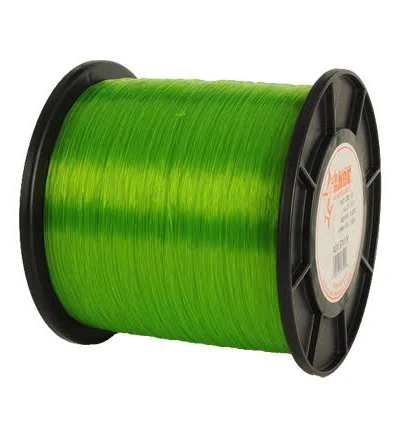
- Monofilament nylon fishing line
- We found no PFAS statement from the brand
- Microplastic shedding during use
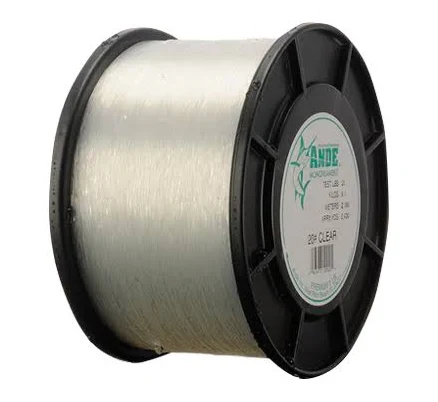
- Monofilament nylon fishing line
- We found no PFAS statement from the brand
- Microplastic fragmentation
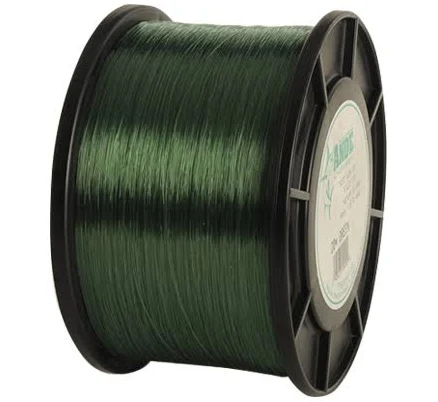
- Monofilament nylon fishing line
- We found no PFAS statement from the brand
- UV degradation and polymer brittleness
2 hazards checked on this product, all on its full breakdown.
More fishing line grades
How we score, every product runs through the same public 0-100 rubric based on materials, coatings, brand disclosure, lab findings, and recalls. See the full methodology → Spotted a mistake? Report an error.