PaperChef · Deli Meat & Cold Cuts Packaging
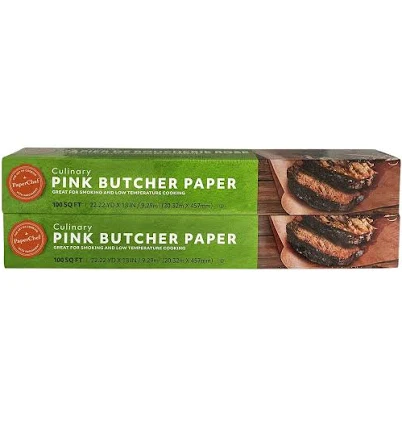
PaperChef Culinary Pink Butcher Paper
Pink butcher paper likely treated; brand silent on PFAS use.
Butcher paper is often coated for grease resistance, which may involve PFAS. The brand provides no public disclosure about PFAS-free status or coating type.
The better-graded swap
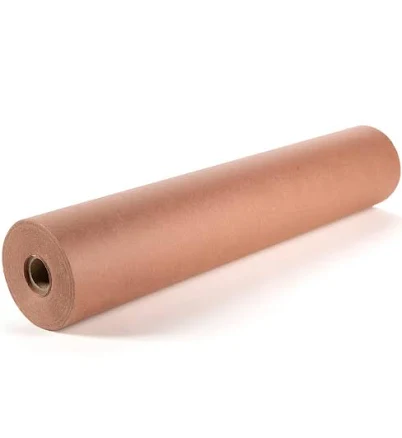
IDL Packaging
Idl Packaging White Butcher Paper 18" x 12000" Natural Butcher Paper Roll for Meat and Fish
95/100 safety
Same rubric that flunked this product. The swap earned Excellent.
Still want this one anyway? Check the price on Amazon. We’d swap it.
Material
Kraft paper with grease-resistant coating
Brand disclosure
Brand is silent on PFAS
Lab data
No public lab test
What PaperChef Culinary Pink Butcher Paper is made of, ingredients and materials
PaperChef pink butcher paper is kraft paper (cellulose fibers) with a grease-resistant coating applied to the surface. The coating allows it to repel moisture and fat from meat without disintegrating, which is essential for deli use. Standard grease-resistant coatings in butcher paper historically rely on fluorinated compounds (PFAS) to achieve this water-and-oil repellency, though some manufacturers have moved to alternatives not known to contain PFAS. This product's manufacturer has not publicly disclosed the coating chemistry.
What’s concerning
Category baseline
The starting point for this type of product, before anything specific to this product is counted.
No PFAS disclosure
No public statement from the brand about PFAS in this product.
Waterproof / stain-resistant treatment
Water-repellent coating treatments have historically used PFAS.
PFAS
Pink butcher paper's water-and-oil repellency typically requires fluorinated compounds; manufacturer silence + industry practice suggest likely PFAS presence. Migration to fatty meats and prolonged skin contact pose routes of exposure.
Source, ATSDR ↗Ink and dye migration from colored paper
Pink coloring in this product likely comes from FDA-approved food-contact dyes, but kraft paper inks can migrate to fatty foods under prolonged contact or warm conditions. No specific safety data for this brand's dyes is publicly available.
Coating degradation and shedding
Repeated handling, moisture absorption, and freeze-thaw cycles can cause the grease-resistant coating to crack, peel, or shed micro-particles onto the meat surface. No published durability or particle-release data for this product exists.
What’s reassuring
Residual processing chemicals in kraft pulp
Kraft pulp production uses chlorine-based bleaching in standard production; residues are typically minimal in finished paper but are not disclosed by this manufacturer.
Mold and bacterial growth on stored paper
If stored in humid conditions, butcher paper can support mold growth on the uncoated side; this is a storage issue, not a manufacturing defect, but worth noting for deli counter or home use.
The full breakdown
The brand's record and disclosure
This is a store-brand product with no established public disclosure record on grease-coating composition or PFAS use. No third-party certifications (such as GOTS, BlueSign, or PFAS-free claims) are visible in available material. The brand's silence on coating chemistry is typical of smaller private-label manufacturers, making independent verification difficult. No recalls or safety controversies specific to this SKU are on record.
How it compares in its category
Butcher paper in general falls into a lower-oversight category than food contact surfaces; FDA does not pre-approve coatings on paper used for temporary meat wrapping. Premium brands (e.g., Honeycomb, some certified-organic suppliers) increasingly offer PFAS-free or fully disclosed alternatives. This store-brand product sits in the mainstream middle, where PFAS-based coatings remain common cost-effective choices. Uncoated kraft paper or paper lined with silicone offer lower-chemical alternatives but are less grease-resistant and more expensive.
If you buy it
Use this paper for wrapping fresh or cooked deli meats, deli counter portions, and short-term refrigerated storage (up to 7-10 days). Avoid prolonged freezer storage (beyond 4 weeks) as freeze-thaw cycles can stress the coating and increase migration risk. Do not use for hot foods or direct oven contact; the coating is not heat-rated for cooking. If concerned about PFAS exposure, limit to occasional use and consider requesting uncoated kraft or certified PFAS-free alternatives from your vendor.
What we don’t know
- Basis
- Model estimate, 45% confidence, not a lab result
- Lab test
- None on record for this exact product
- Brand statement
- PaperChef has made none
Formulations change between production runs, so check the current label. How we grade.
Better-graded alternatives in Deli Meat & Cold Cuts Packaging
IDL Packaging
White Butcher Paper 18" x 12000" Natural Butcher Paper Roll for Meat and Fish
- natural kraft butcher paper, no coating specified
- The brand calls it PFAS-free, which we have not verified
- Bleach residue and chlorine compounds
2 hazards checked on this product. See all of them.
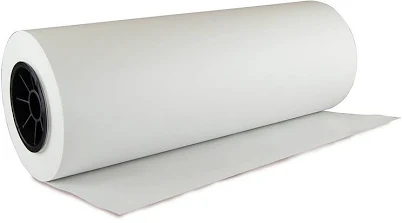
LEM
15" Freezer Paper Cutter
- stainless steel blade, bare metal construction
- We found no PFAS statement from the brand
- Blade degradation and metal particle shedding
2 hazards checked on this product. See all of them.
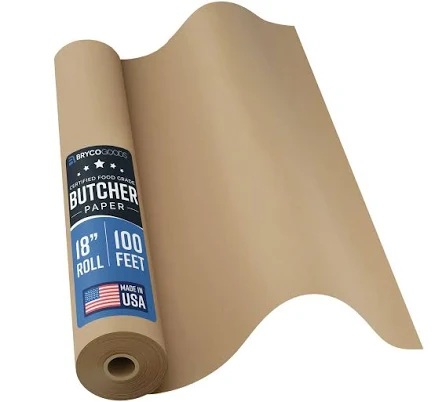
Bryco Goods
White Kraft Butcher Paper Roll 18 Inch x 175 Feet
- kraft paper, unbleached cellulose
- We found no PFAS statement from the brand
- Heavy metals
2 hazards checked on this product. See all of them.
More deli meat & cold cuts packaging grades
How we score, every product runs through the same public 0-100 rubric based on materials, coatings, brand disclosure, lab findings, and recalls. See the full methodology → Spotted a mistake? Report an error.