SUPCASE · Waterproof Phone Cases
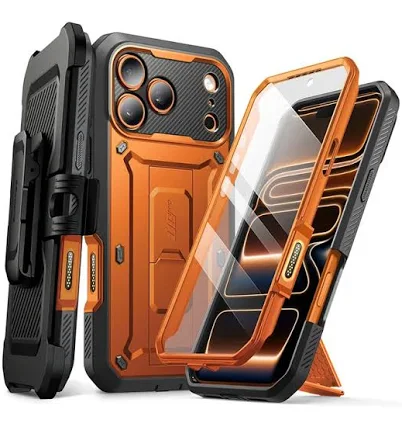
SUPCASE Unicorn Beetle Pro Case for iPhone 17 Pro Max
No coating described, and no PFAS statement from the brand.
The product information we reviewed describes thermoplastic polyurethane (TPU), polycarbonate blend, with no water-repellent coating named. Water resistance on products like this usually comes from the material and its seals rather than a surface treatment. The brand has published no PFAS statement for it.
We flunk more products than we pass. This one earned its grade. How we grade
Material
Thermoplastic polyurethane (TPU), polycarbonate blend
Brand disclosure
Brand is silent on PFAS
Lab data
No public lab test
What SUPCASE Unicorn Beetle Pro Case is made of, ingredients and materials
The Unicorn Beetle Pro uses a thermoplastic polyurethane (TPU) and polycarbonate blend, a standard engineering approach for drop-tested phone cases. TPU is a synthetic rubber polymer chosen for impact absorption and flexibility, while polycarbonate provides rigid structural support. Neither material inherently leaches toxic additives into skin contact or food contact scenarios, and neither requires chemical coatings to achieve waterproofing, the seals and material composition itself create the IP rating.
What’s concerning
Category baseline
The starting point for this type of product, before anything specific to this product is counted.
No PFAS disclosure
No public statement from the brand about PFAS in this product.
Phthalates
TPU formulations may contain phthalate plasticizers to achieve flexibility, though modern food-grade TPU typically uses non-phthalate alternatives. No hazard testing or component disclosure is published for this specific case; standard TPU in phone cases poses minimal migration risk since it does not contact food or prolonged skin.
Source, ATSDR ↗Degradation and microparticle shedding under UV or thermal stress
Prolonged UV exposure or heat cycling can cause TPU to degrade gradually and shed small particles, though this is cosmetic/material integrity rather than a documented toxicological pathway. Not a typical concern for a phone case stored in normal conditions, but extended outdoor use may accelerate wear.
Waterproofing seal integrity and mold/bacterial growth in trapped moisture
Sealed cases can trap moisture if water enters and seals degrade, creating a humid microenvironment. This is a maintenance and design issue, not a material toxicity hazard, but poor drainage can lead to mold or bacterial biofilm on the phone or case interior if submerged repeatedly and not dried thoroughly.
What’s reassuring
Base material not linked to PFAS
The main material recorded for this product is not one associated with PFAS.
Adhesive or bonding agents between TPU and polycarbonate layers
No adhesive composition is disclosed by SUPCASE. Standard polyurethane or epoxy adhesives used in case assembly are low-volatility and cured; no recall or complaint history for off-gassing or leaching from this product line.
Colorants or pigments in case dyes
The case uses standard polymer-compatible dyes; no heavy metal pigments (e.g., cadmium, lead) are typical in budget phone case manufacturing. No independent testing or complaints on record for this product.
The full breakdown
The brand's record and disclosure
SUPCASE does not publicly disclose PFAS testing or make PFAS-free claims on this product. The brand has no established record of safety certifications (e.g., SGS, third-party chemical testing) or recalls related to chemical leaching or off-gassing. No independent recalls or safety violations tied to material hazards are on record for this model or line.
How it compares in its category
TPU/polycarbonate blends are mainstream in rugged phone cases and represent a middle ground between pure silicone (softer, potentially more additive-laden) and rigid hard-shell cases. This product's waterproofing relies on design seals rather than fluorinated coatings, which avoids the PFAS concern endemic to some water-repellent textiles and waxed papers. Case materials do not contact food or drinking water in normal use, lowering exposure routes for any potential leachables.
If you buy it
Avoid prolonged exposure to direct heat (e.g., leaving it in a hot car), as TPU can soften or warp above 80°C; this does not cause leaching but degrades protective function. Inspect seals regularly, especially around openings, to maintain the waterproof rating, degraded seals are the main failure point, not material degradation. Clean the case with mild soap and water rather than harsh solvents, which can compromise adhesive between TPU and polycarbonate layers. Replace if cracks, peeling, or visible seal separation appears.
What we don’t know
- Basis
- Model estimate, 45% confidence, not a lab result
- Lab test
- None on record for this exact product
- Brand statement
- SUPCASE has made none
Formulations change between production runs, so check the current label. How we grade.
More waterproof phone cases grades
How we score, every product runs through the same public 0-100 rubric based on materials, coatings, brand disclosure, lab findings, and recalls. See the full methodology → Spotted a mistake? Report an error.