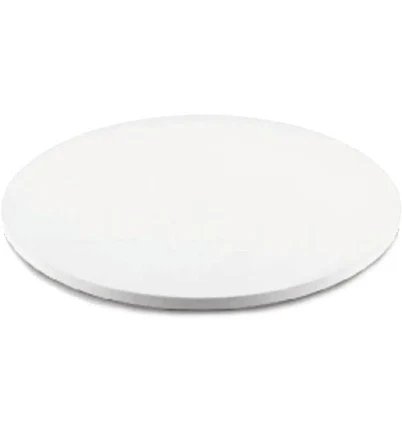
Breville · Pizza Stones & Baking Surfaces
Breville 13" Pizza Stone, Is It Non-Toxic?
Lower concern. Pizza stone, no nonstick coating present.
Pizza stones are typically ceramic or unglazed stone with no nonstick treatment, making PFAS risk minimal. Brand discloses no coating, supporting lower concern profile.
The better-graded swap
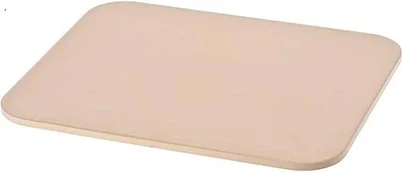
15-Inch Ceramic Pizza Stone for Perfect Crispy Crusts
90/100 safety
Same rubric that flunked this product. The swap earned Excellent.
Still want this one anyway? Check the price on Amazon. We’d swap it.
Material
Ceramic or stone composite; no nonstick coating
Lab data
No public lab test
You may also be interested in
Top-graded picks in the categories readers replace first, every one scored on the same rubric.

- polypropylene filter housing, carbon/sediment cartridge
- We found no PFAS statement from the brand
- Bacterial growth in spent cartridges
3 hazards checked on this product, all on its full breakdown.

Aquasure
Premier Series 75 GPD Under Sink Reverse Osmosis Water Filtration System
- RO membrane, carbon filters, stainless steel housing
- We found no PFAS statement from the brand
- Bacterial and microbial growth in housing and filters
4 hazards checked on this product, all on its full breakdown.

Avocado
Vegan Mattress
- organic cotton, natural latex, coconut coir, recycled steel coils
- The brand calls it PFAS-free, which we have not verified
- Heavy metals
2 hazards checked on this product, all on its full breakdown.
Is Breville 13" Pizza Stone non-toxic? What it is made of
This Breville pizza stone is a ceramic or stone composite material, likely fired clay or a blend of clay minerals with silica. Without a nonstick coating, it avoids the hazard profile of Teflon-type coating-coated cookware, which can degrade and release fumes at high heat. Ceramic and natural stone composites are thermally stable at the temperatures used for pizza (typically 450-550°F), and the material itself does not leach significant quantities of lead or cadmium into food when properly formulated and fired.
What’s concerning
Category baseline
The starting point for this type of product, before anything specific to this product is counted.
No PFAS disclosure
No public statement from the brand about PFAS in this product.
Thermal shock and material fracturing
Ceramic and stone composites are brittle and can crack if moved between extreme temperatures or placed on cold surfaces while hot. This is a mechanical failure mode, not a chemical hazard, but can accelerate if the stone is thermally cycled repeatedly or handled roughly.
What’s reassuring
Base material not linked to PFAS
The main material recorded for this product is not one associated with PFAS.
Lead
No published recalls, test failures, or safety alerts exist for this Breville pizza stone. Commercial ceramic cookware sold in the US is subject to FDA food-contact material limits; unglazed or properly formulated glazed ceramic is not a known source of heavy metal leaching in pizza stone applications.
Source, ATSDR ↗Coating degradation over time
This product has no nonstick or protective coating, eliminating the risk of surface peeling, flaking, or polymer breakdown. The ceramic matrix itself is chemically inert at cooking temperatures for pizza stone use.
Aluminum leaching
Pizza stones are ceramic or silicate-based composites, not aluminum. This hazard class does not apply to this product.
Teflon-type coating fume risk from nonstick coating
This stone has no nonstick coating; Teflon-type coating is absent by design. This eliminates one of the primary fume inhalation hazards associated with traditional nonstick cookware.
How is this PFAS grade calculated?
The brand's record and disclosure
Sur La Table (Breville's parent company context) has not published detailed material composition or third-party safety certifications for this specific product. The brand does not publicly disclose PFAS avoidance statements, though the product's ceramic-only construction inherently excludes PFAS by design. No product recalls or safety incidents are documented for this pizza stone model in publicly available databases. The brand's transparency on cookware safety is minimal but not flagged as evasive.
How it compares in its category
Ceramic pizza stones are lower concern cookware because they lack nonstick coatings and do not require high-temperature polymer processing. They compare favorably to cast iron (which can develop surface rust if poorly maintained) and to ceramic-coated nonstick pans (which carry microcoating degradation risk over time). Natural stone and unglazed ceramics have no known manufacturing safety controversies in the pizza stone segment, making this a conventional, low-risk choice.
If you buy it
Preheat the stone gradually to avoid thermal shock and cracking; never move it between extreme temperatures. Clean it only with a damp cloth or soft brush after it cools; avoid soaking or dishwashing, which can promote stress fractures. Inspect the surface annually for chips or cracks that expose the interior matrix; discard if visible damage appears. Use on a stable oven rack and allow proper air circulation; the stone is durable if not dropped or subjected to rapid temperature swings.
What is not known about PFAS in this product?
- Basis
- Model estimate, 82% confidence, not a lab result
- Lab test
- None on record for this exact product
- Brand statement
- Breville has made a specific claim
Formulations change between production runs, so check the current label. How we grade.
What are the PFAS-free alternatives to Breville 13" Pizza Stone?
15-Inch Ceramic Pizza Stone for Perfect Crispy Crusts
- Ceramic (clay-based baking stone)
- The brand calls it PFAS-free, which we have not verified
- Glaze degradation and surface leaching
3 hazards checked on this product, all on its full breakdown.
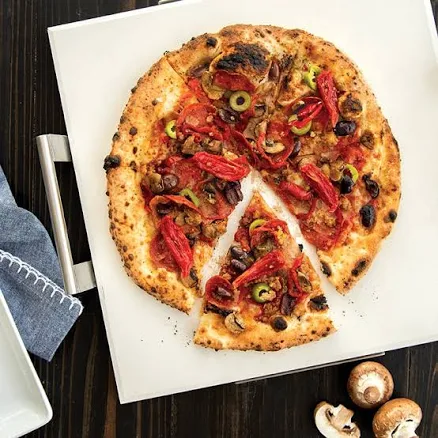
Deluxe Square Pizza Stone with Rack
- ceramic or unglazed stone; no nonstick coating
- The brand calls it PFAS-free, which we have not verified
- Ceramic or stone cracking and fragmentation
2 hazards checked on this product, all on its full breakdown.
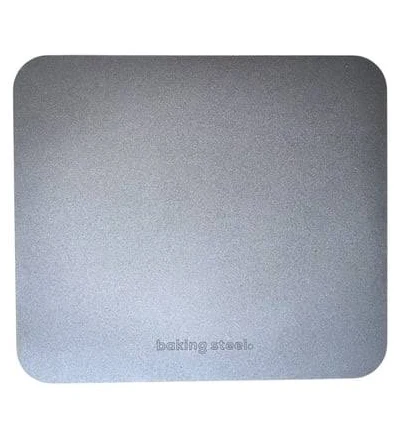
- carbon steel (bare metal, no coating)
- We found no PFAS statement from the brand
- Rust and corrosion
2 hazards checked on this product, all on its full breakdown.
Find an alternative on AmazonMore pizza stones & baking surfaces grades
How we score, every product runs through the same public 0-100 rubric based on materials, coatings, brand disclosure, lab findings, and recalls. See the full methodology → Spotted a mistake? Report an error.