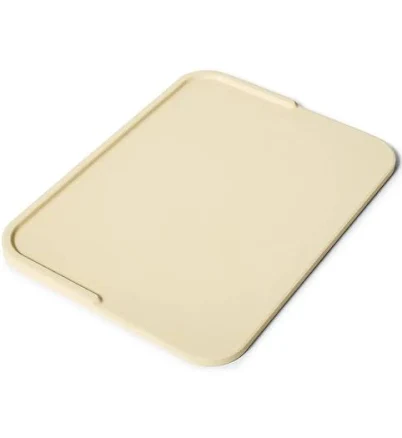
Sur La Table · Pizza Stones & Baking Surfaces
Sur La Table 18" x 13.5" Cordierite No-Slip Pizza Stone, Is It Non-Toxic?
Lower concern. Cordierite stone with no coating on record.
Pizza stone made from cordierite ceramic with no coating on record. Cordierite is not a material linked to PFAS. The brand has no PFAS statement on record.
The better-graded swap
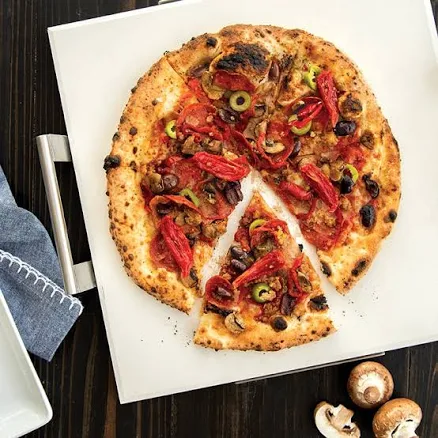
Deluxe Square Pizza Stone with Rack
90/100 safety
Same rubric that flunked this product. The swap earned Excellent.
Still want this one anyway? Check the price on Amazon. We’d swap it.
Material
Cordierite ceramic stone, no coating
Brand disclosure
Brand is silent on PFAS
Lab data
No public lab test
You may also be interested in
Top-graded picks in the categories readers replace first, every one scored on the same rubric.

- polypropylene filter housing, carbon/sediment cartridge
- We found no PFAS statement from the brand
- Bacterial growth in spent cartridges
3 hazards checked on this product, all on its full breakdown.

Aquasure
Premier Series 75 GPD Under Sink Reverse Osmosis Water Filtration System
- RO membrane, carbon filters, stainless steel housing
- We found no PFAS statement from the brand
- Bacterial and microbial growth in housing and filters
4 hazards checked on this product, all on its full breakdown.

Avocado
Vegan Mattress
- organic cotton, natural latex, coconut coir, recycled steel coils
- The brand calls it PFAS-free, which we have not verified
- Heavy metals
2 hazards checked on this product, all on its full breakdown.
Is Sur La Table 18" x 13.5" Pizza Stone non-toxic? What it is made of
Cordierite is a naturally occurring magnesium-aluminum silicate mineral fired into a dense ceramic body, specifically engineered for thermal shock resistance and high heat retention. Unlike glazed or enameled cookware, this Sur La Table stone has no coating, glaze, or finish applied to its surface, which eliminates the primary routes for lead, cadmium, or synthetic polymer leaching. The porous ceramic structure allows moisture to evaporate during preheating, reducing steam-induced cracking and prolonging the stone's lifespan.
What’s concerning
Category baseline
The starting point for this type of product, before anything specific to this product is counted.
No PFAS disclosure
No public statement from the brand about PFAS in this product.
Thermal stress cracking and particle shedding
Although cordierite is engineered for thermal shock resistance, sudden temperature changes or thermal cycling over years may cause hairline cracks. Shed ceramic particles are not toxic but pose a minor choking or texture risk if ingested with food.
Moisture absorption and mold growth
Porous cordierite can absorb ambient moisture if stored in damp conditions. While the stone itself will not harbor pathogenic mold, prolonged wetness may cause internal stress or surface degradation; proper drying and dry storage eliminate this risk.
What’s reassuring
Base material not linked to PFAS
The main material recorded for this product is not one associated with PFAS.
Lead
This product is explicitly uncoated cordierite with no glaze or enamel finish. No coating-related contamination has been reported for this specific model or Sur La Table's pizza stone line.
Source, ATSDR ↗Aluminum or silicate leaching into food
Cordierite is chemically stable under normal cooking temperatures (up to 500F typical use, material stable to 1200F). No published data indicates migration of magnesium, aluminum, or silicate ions into food under standard pizza-baking conditions.
Contaminants from manufacturing or clay source
Sur La Table has not publicly disclosed cordierite sourcing or manufacturing quality audits. No trace metal contamination (arsenic, nickel, cobalt) has been reported for consumer cordierite pizza stones in independent testing.
How is this PFAS grade calculated?
The brand's record and disclosure
Sur La Table has not published detailed chemical safety certifications or third-party testing results for this specific product in publicly available documents. The brand does not maintain a vocal PFAS reduction stance, though cordierite pizza stones are not associated with PFAS by design since they contain no non-stick coatings or water-repellent treatments. No recalls or safety complaints specifically naming this product have been recorded in FDA or CPSC databases.
How it compares in its category
Uncoated cordierite stones have lower concern for risks present in coated or glazed alternatives that may contain lead in colored decorations or synthetic polymers. Compared to cast iron or stainless steel pizza pans, cordierite eliminates metal leaching concerns while offering superior heat distribution. Cordierite stones are more durable than terracotta or ceramic tiles, which can shed particles or crack more easily under thermal stress.
If you buy it
Season the stone by preheating it gradually to room temperature before first use and avoid sudden temperature changes, which can cause cracking despite cordierite's heat-shock resistance. Do not use soap or submerge the stone; instead, scrape off food residue with a wooden or plastic tool and wipe dry. If the stone develops visible cracks or surface flaking, discontinue use and replace it. Store in a dry location to prevent moisture absorption that can degrade the stone over many cycles.
What is not known about PFAS in this product?
- Basis
- Model estimate, 88% confidence, not a lab result
- Lab test
- None on record for this exact product
- Brand statement
- Sur La Table has made none
Formulations change between production runs, so check the current label. How we grade.
What are the PFAS-free alternatives to Sur La Table 18" x 13.5" Cordierite No-Slip Pizza Stone?
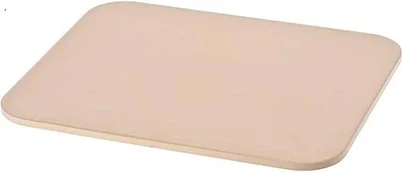
15-Inch Ceramic Pizza Stone for Perfect Crispy Crusts
- Ceramic (clay-based baking stone)
- The brand calls it PFAS-free, which we have not verified
- Glaze degradation and surface leaching
3 hazards checked on this product, all on its full breakdown.
Deluxe Square Pizza Stone with Rack
- ceramic or unglazed stone; no nonstick coating
- The brand calls it PFAS-free, which we have not verified
- Ceramic or stone cracking and fragmentation
2 hazards checked on this product, all on its full breakdown.
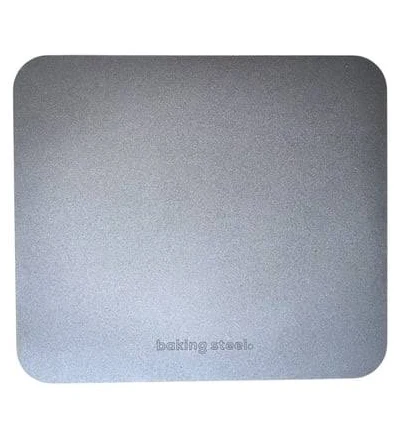
- carbon steel (bare metal, no coating)
- We found no PFAS statement from the brand
- Rust and corrosion
2 hazards checked on this product, all on its full breakdown.
Find an alternative on AmazonMore pizza stones & baking surfaces grades
How we score, every product runs through the same public 0-100 rubric based on materials, coatings, brand disclosure, lab findings, and recalls. See the full methodology → Spotted a mistake? Report an error.