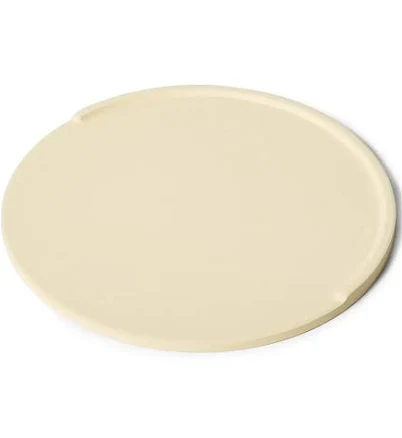
Sur La Table · Pizza Stones & Baking Surfaces
Sur La Table Cordierite No-Slip Pizza Stone, Is It Non-Toxic?
No coating described, and no PFAS statement from the brand.
The product information we reviewed describes a cordierite stone with no non-stick coating named. A pizza stone releases bread through its porous surface, not a coating. The brand has published no PFAS statement for it.
The better-graded swap
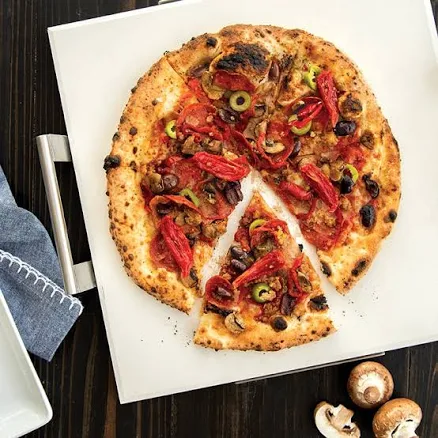
Deluxe Square Pizza Stone with Rack
90/100 safety
Same rubric that flunked this product. The swap earned Excellent.
Still want this one anyway? Check the price on Amazon. We’d swap it.
Material
Cordierite stone
Brand disclosure
Brand is silent on PFAS
Lab data
No public lab test
You may also be interested in
Top-graded picks in the categories readers replace first, every one scored on the same rubric.

- polypropylene filter housing, carbon/sediment cartridge
- We found no PFAS statement from the brand
- Bacterial growth in spent cartridges
3 hazards checked on this product, all on its full breakdown.

Aquasure
Premier Series 75 GPD Under Sink Reverse Osmosis Water Filtration System
- RO membrane, carbon filters, stainless steel housing
- We found no PFAS statement from the brand
- Bacterial and microbial growth in housing and filters
4 hazards checked on this product, all on its full breakdown.

Avocado
Vegan Mattress
- organic cotton, natural latex, coconut coir, recycled steel coils
- The brand calls it PFAS-free, which we have not verified
- Heavy metals
2 hazards checked on this product, all on its full breakdown.
Is Sur La Table Cordierite Pizza Stone non-toxic? What it is made of
Cordierite is a naturally occurring magnesium-aluminum silicate mineral (MgO.2Al2O3.5SiO2) engineered into dense ceramic form. Unlike unglazed clay or ceramic tiles, cordierite is non-porous, thermally stable to very high temperatures (1200C+), and chemically inert when uncoated. The "no-slip" designation in this product name likely refers to a textured surface finish, not a chemical coating. Cordierite does not leach metals or break down into microplastics under normal cooking conditions.
What’s concerning
Category baseline
The starting point for this type of product, before anything specific to this product is counted.
No PFAS disclosure
No public statement from the brand about PFAS in this product.
Thermal degradation and material shedding
Cordierite is stable to extreme heat, but thermal cycling and mechanical stress from cutting or scraping can cause microscopic spalling over years. Risk is low compared to unglazed clay but increases if the stone is dropped, fractured, or subjected to rapid temperature changes. Visible cracks should trigger replacement.
Aluminum leaching
Cordierite contains aluminum as a structural component of the mineral lattice. Acidic foods (tomato sauce) or prolonged contact with very low pH solutions could theoretically promote minor aluminum dissolution, but no published data specific to cordierite pizza stones confirms leaching at food-contact levels. Standard food-contact regulations classify cordierite as acceptable for food contact.
Coating degradation or undisclosed treatments on textured surface
The 'no-slip' texture is not chemically described in available product information. If it is a mechanical texture alone, risk is none. If a resin, wax, or silicone-based treatment is applied, degradation at high heat is possible but undisclosed by the brand. Request product specifications directly from Sur La Table if concerned.
What’s reassuring
Base material not linked to PFAS
The main material recorded for this product is not one associated with PFAS.
Lead
Cordierite is inherently glazed and uncoated in this product line based on available context. No glaze composition or heavy metal testing results are published, but cordierite's chemical inertness and industry-standard food-contact status suggest no intentional lead or cadmium; no recall or test failure is on record for this model.
Source, ATSDR ↗Microplastics
Cordierite is mineral-based ceramic and does not shed microplastics. Risk is not applicable to this material class unless packaging or handling introduces external contamination.
Source, EPA ↗How is this PFAS grade calculated?
The brand's record and disclosure
Sur La Table is a cookware and kitchenware retailer owned by Marquee Brands. The company does not publish detailed material safety sheets or PFAS/coating disclosures for individual stone products on public record. No product recalls or safety controversies specific to this pizza stone model are documented. The brand's silence on coatings and chemical treatments suggests either a non-coated product or lack of transparency; given cordierite's inherent durability, absence of coating is plausible and would avoid concerns associated with undisclosed surface treatments.
How it compares in its category
Cordierite pizza stones are considered a premium alternative to ceramic tiles, which may present lead in glazes or cadmium exposure risk. Unlike some glazed or enameled baking surfaces, uncoated cordierite avoids concerns about coating degradation or flaking into food. The no-slip texture feature is common in this category and is typically a mechanical texturing rather than a chemical additive. Cordierite is more durable and chip-resistant than standard earthenware, reducing the risk of material shedding over time.
If you buy it
Preheat slowly and avoid thermal shock (do not move directly from cold storage to high heat or vice versa), as rapid temperature changes can crack cordierite despite its durability. Clean with water and a soft brush; avoid harsh abrasives or immersion that may wear the textured surface. Do not exceed manufacturer temperature limits (typically 500-600F for pizza stones; check your product label). Replace if visible cracks, spalling, or pitting develops, as these allow moisture ingress and can degrade the stone over years of use.
What is not known about PFAS in this product?
- Basis
- Model estimate, 45% confidence, not a lab result
- Lab test
- None on record for this exact product
- Brand statement
- Sur La Table has made none
Formulations change between production runs, so check the current label. How we grade.
What are the PFAS-free alternatives to Sur La Table Cordierite No-Slip Pizza Stone?
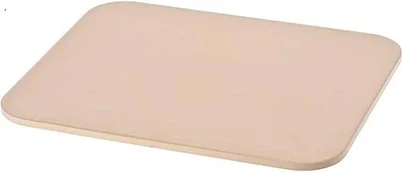
15-Inch Ceramic Pizza Stone for Perfect Crispy Crusts
- Ceramic (clay-based baking stone)
- The brand calls it PFAS-free, which we have not verified
- Glaze degradation and surface leaching
3 hazards checked on this product, all on its full breakdown.
Deluxe Square Pizza Stone with Rack
- ceramic or unglazed stone; no nonstick coating
- The brand calls it PFAS-free, which we have not verified
- Ceramic or stone cracking and fragmentation
2 hazards checked on this product, all on its full breakdown.
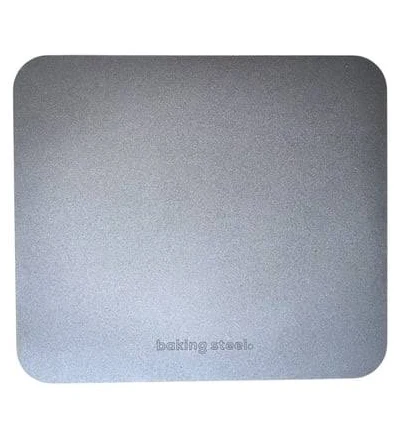
- carbon steel (bare metal, no coating)
- We found no PFAS statement from the brand
- Rust and corrosion
2 hazards checked on this product, all on its full breakdown.
Find an alternative on AmazonMore pizza stones & baking surfaces grades
How we score, every product runs through the same public 0-100 rubric based on materials, coatings, brand disclosure, lab findings, and recalls. See the full methodology → Spotted a mistake? Report an error.