Swatch · Waterproof Smartphone Cases
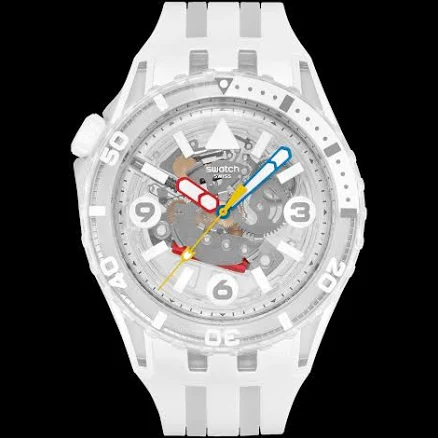
Swatch Scubaqua Aurelia Aurita Skeleton Quartz Watch
Water-resistant watch likely contains PFAS in seals; Swatch says nothing.
This water-resistant quartz watch uses stainless steel and rubber components. Waterproof seals frequently contain PFAS, but Swatch shares no material information.
The better-graded swap
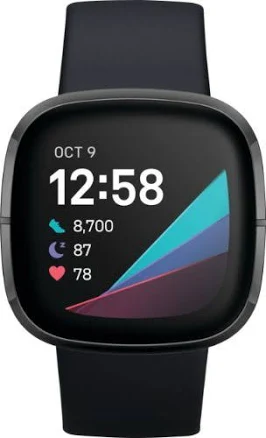
Fitbit
Fitbit Sense Smartwatch
85/100 safety
Same rubric that flunked this product. The swap earned Excellent.
Still want this one anyway? Check the price on Amazon. We’d swap it.
Material
stainless steel case, synthetic rubber strap, mineral glass with water-resistant seal
Brand disclosure
Brand is silent on PFAS
Lab data
No public lab test
What Swatch Scubaqua Aurelia Aurita Skeleton is made of, ingredients and materials
This Swatch features a stainless steel case, synthetic rubber strap, and mineral glass crystal. Stainless steel is chemically inert and does not leach heavy metals under normal wear. Mineral glass is harder than acrylic but can scratch; it does not contain lead in modern production. Synthetic rubber straps (typically nitrile or similar elastomers) do not off-gas volatile organics at skin temperature, though some dyes or processing residues may be present. The water-resistant seal almost certainly contains PFAS compounds, which Swatch does not publicly disclose.
What’s concerning
Category baseline
The starting point for this type of product, before anything specific to this product is counted.
No PFAS disclosure
No public statement from the brand about PFAS in this product.
PFAS
Water-resistant watches typically use PFOA or similar PFAS in gaskets and adhesive sealants. Swatch does not disclose seal composition; skin contact is low-risk but microabrasion over years may release trace amounts. No acute toxicity expected from wearing the watch.
Source, ATSDR ↗Synthetic rubber strap degradation
Synthetic rubber can break down over 3-5 years with UV and sweat exposure, potentially releasing small amounts of residual processing chemicals. Risk is minimal at skin temperature and pH; degradation is primarily a durability issue.
Stainless steel nickel leaching
Stainless steel typically contains 8-12% nickel. While most alloys resist leaching under dry conditions, prolonged sweat exposure may cause trace nickel release in sensitive individuals. Risk is low for most wearers but possible for nickel-allergic persons.
Bacterial growth in water-resistant seal
If the water-resistant seal is breached or moisture accumulates, bacteria or mold may grow in the sealed cavity. This is a mechanical/hygiene issue, not a chemical hazard, but relevant to long-term safety.
What’s reassuring
Base material not linked to PFAS
The main material recorded for this product is not one associated with PFAS.
Mineral glass surface contamination
Mineral glass itself is chemically stable and lead-free in modern production. No public record of contamination or coating hazards in Swatch mineral glass crystals.
The full breakdown
The brand's record and disclosure
Swatch has not published comprehensive chemical disclosure statements or pursued third-party certifications (e.g., BlueSign, Cradle to Cradle) for watch components. The company has faced scrutiny over supply chain transparency but no major recalls for chemical hazards in watches have been documented in public records. Swatch remains silent on PFAS use in waterproofing seals, which is standard industry practice for water-resistant watches. No established controversies regarding heavy metals, phthalates, or formaldehyde in Swatch watches are on record.
How it compares in its category
Quartz watches in the affordable range (under $300) rarely disclose seal composition; PFAS in waterproof seals is nearly universal and unregulated. Stainless steel cases present lower concern than painted or plated metals that may shed coating or contain cadmium. Mineral glass is a durable middle ground between acrylic (scratch-prone, lower safety risk) and sapphire (more expensive, no chemical advantage). Swatch's transparency is typical of mass-market watch makers, not superior.
If you buy it
Wear the watch normally; stainless steel and rubber strap contact with skin poses minimal acute risk from known chemical hazards. Do not expose the watch to prolonged heat above 60 degrees Celsius, as synthetic rubber can degrade and potentiate leaching (though this is unlikely at body temperature). Avoid prolonged submersion beyond the rated depth; repeated seal stress may accelerate PFAS release from the gasket over years of use. If the seal fails or rubber shows cracks, discontinue use and replace the strap or service the seal; degraded seals may allow water ingress and bacterial growth.
What we don’t know
- Basis
- Model estimate, 45% confidence, not a lab result
- Lab test
- None on record for this exact product
- Brand statement
- Swatch has made none
Formulations change between production runs, so check the current label. How we grade.
More waterproof smartphone cases grades
How we score, every product runs through the same public 0-100 rubric based on materials, coatings, brand disclosure, lab findings, and recalls. See the full methodology → Spotted a mistake? Report an error.