T-fal · Non-Stick Kitchen Gadgets
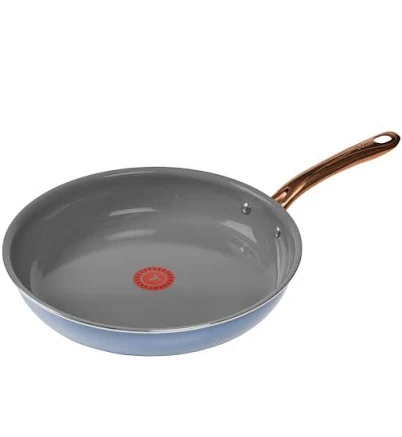
T-Fal Preserve Ceramic Nonstick Frypan
Ceramic coating lowers PFAS risk, but composition unconfirmed by brand.
T-fal sells this as ceramic nonstick, which typically avoids Teflon-type coating. However, the company shares no PFAS data or third-party testing to verify coating safety.
The better-graded swap
Our Place
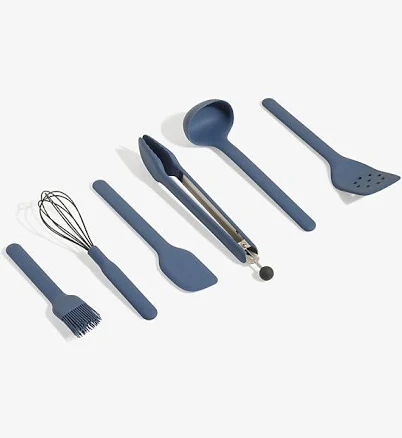
Our Place Utensil Essentials 6-Piece Silicone Utensil Set
90/100 safety
Same rubric that flunked this product. The swap earned Excellent.
Still want this one anyway? Check the price on Amazon. We’d swap it.
Material
Ceramic nonstick coating over aluminum base
Lab data
No public lab test
Is T-Fal Preserve Ceramic Nonstick Frypan non-toxic? What it is made of
T-Fal Preserve uses a ceramic nonstick coating applied over an aluminum base. Ceramic coatings avoid Teflon-type coating (Teflon) and its fume hazards, but aluminum cookware can leach aluminum into acidic or salty foods if the ceramic coating degrades or is compromised. The durability of the ceramic layer determines how long the aluminum base remains sealed; once chipped or worn, direct contact with food becomes possible.
What’s concerning
Category baseline
The starting point for this type of product, before anything specific to this product is counted.
No PFAS disclosure
No public statement from the brand about PFAS in this product.
Non-stick, chemistry undisclosed
Marketed as non-stick without stating the coating chemistry.
Aluminum leaching
If the ceramic coating chips or wears, underlying aluminum can leach into acidic foods (tomato-based, vinegar, citrus). This risk is manageable through proper care and timely replacement, but the coating's durability over time is not independently certified by T-Fal.
Ceramic coating degradation over time
Ceramic nonstick coatings are known to degrade faster than Teflon-type coating under thermal and mechanical stress. User reports indicate T-Fal's ceramic coating can show visible wear within 1-3 years of regular use, though this varies with care and heat exposure.
Coating adhesion and peeling
Some users report the ceramic layer beginning to peel or separate from the aluminum base after extended use or dishwasher exposure. Ingestion of coating flakes is unlikely to cause acute harm, but it indicates product failure and loss of the aluminum barrier.
What’s reassuring
Lead
No recalls or test failures for lead or cadmium contamination in T-Fal Preserve ceramic cookware have been documented. However, the brand does not publicly provide third-party testing data confirming absence of these heavy metals in the ceramic layer.
Source, ATSDR ↗Teflon-type coating or fluorinated fumes
The ceramic coating formulation avoids traditional Teflon-type coating, eliminating the primary fume hazard associated with overheated nonstick cookware. No evidence suggests fluorinated additives are used in T-Fal's ceramic formula, though full composition is not disclosed.
The full breakdown
The brand's record and disclosure
T-Fal (Groupe SEB) has not publicly disclosed the specific composition or PFAS status of this ceramic coating, which limits independent verification. The brand has faced no major public safety recalls specific to this product line, but the lack of transparency on coating chemistry and manufacturing standards is notable. Groupe SEB manufactures in multiple countries with varying quality oversight, so consistency is not guaranteed across batches.
How it compares in its category
Ceramic nonstick cookware sits in the middle tier of nonstick concern, lower concern than traditional Teflon-type coating cookware in terms of fume risk, but less established than stainless steel or cast iron regarding long-term coating stability. T-Fal's ceramic option is positioned as budget-friendly; comparable ceramic alternatives from brands like GreenPan or Our Place offer more detailed material transparency at higher price points. Durability and coating longevity vary significantly across ceramic nonstick brands; T-Fal's track record suggests moderate lifespan (2-5 years of regular use before degradation).
If you buy it
Avoid high heat above 400-425°F to preserve the ceramic coating and reduce any risk of coating breakdown. Hand wash rather than using the dishwasher, as abrasive detergents and thermal cycling accelerate ceramic wear. Replace the pan if you notice visible chipping, flaking, or darkening of the coating; continue using a compromised coating risks direct aluminum contact with food. Use wooden or silicone utensils to minimize scratching.
What we don’t know
- Basis
- Model estimate, 62% confidence, not a lab result
- Lab test
- None on record for this exact product
- Brand statement
- T-fal has made a specific claim
Formulations change between production runs, so check the current label. How we grade.
Better-graded alternatives in Non-Stick Kitchen Gadgets
Our Place
Utensil Essentials 6-Piece Silicone Utensil Set
- Silicone utensils, no coating
- The brand calls it PFAS-free, which we have not verified
- Microplastic generation
2 hazards checked on this product. See all of them.
Our Place
Essential Utensil Set
- Stainless steel utensils
- The brand calls it PFAS-free, which we have not verified
- Nickel leaching from stainless steel
2 hazards checked on this product. See all of them.
Our Place
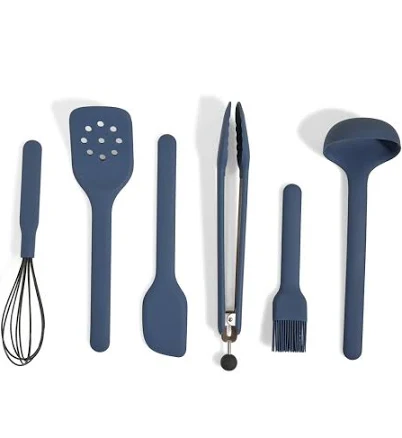
Utensil Essentials Set
- Stainless steel utensils, material unclear
- The brand calls it PFAS-free, which we have not verified
- Handle material degradation (if present)
2 hazards checked on this product. See all of them.
More non-stick kitchen gadgets grades
How we score, every product runs through the same public 0-100 rubric based on materials, coatings, brand disclosure, lab findings, and recalls. See the full methodology → Spotted a mistake? Report an error.