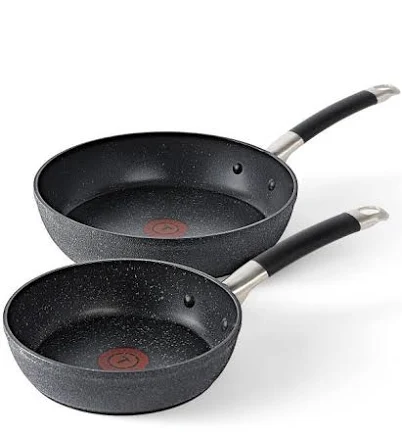
T-fal · Non-Stick Kitchen Gadgets
T-Fal Stone Force Platinum Nonstick Frypan Set
Teflon-type coating non-stick coating, disclosed by the brand.
T-fal lists this range among its products containing intentionally added PFAS and says its nonstick contains Teflon-type coating, a Teflon-family coating in the PFAS family.
The better-graded swap
Our Place
Our Place Essential Utensil Set
90/100 safety
Same rubric that flunked this product. The swap earned Excellent.
Still want this one anyway? Check the price on Amazon. We’d swap it.
Material
Teflon-type coating non-stick coating, as disclosed by T-fal for this range
Lab data
No public lab test
Is T-Fal Stone Force Platinum Nonstick non-toxic? What it is made of
T-Fal Stone Force Platinum uses Teflon-type coating (polytetrafluoroethylene) as the non-stick coating, applied over aluminum cookware bodies. Teflon-type coating itself is chemically inert at normal cooking temperatures but degrades when overheated above 500°F (260°C), releasing fumes that can cause acute respiratory distress in humans and is fatal to pet birds. The aluminum substrate is not exposed to food contact under normal use due to the coating, but any chip or wear exposes it to potential leaching in acidic or salty foods.
What’s concerning
No PFAS disclosure
No PFAS-free statement from the brand for this product.
PTFE / Teflon confirmed
The brand discloses a Teflon-type coating.
Category baseline
The starting point for this type of product, before anything specific to this product is counted.
Teflon-type coating fume release (non-stick cooking)
Acute risk only if cookware is overheated above 500°F or exposed to flames; normal stovetop cooking at 300-400°F poses negligible fume risk, but user discipline is critical. T-Fal does not provide explicit fume-risk temperature thresholds in standard product labeling.
Aluminum leaching from substrate
Risk is low under normal conditions because Teflon-type coating prevents direct food contact with aluminum. Leaching risk rises if coating chips or flakes occur, especially with acidic foods (tomato, vinegar, citrus) or prolonged storage in the pan.
Coating degradation and microparticle ingestion
Teflon-type coating non-stick coatings naturally wear with use and mechanical stress (scratching, high-heat washing). Ingestion of small coating fragments during normal wear is possible and has been documented in consumer reports, though toxicological impact is debated.
PFAS
Production of Teflon-type coating non-stick coatings historically involved PFOA and other PFAS chemicals during polymerization, though modern manufacturers claim reduced emissions. T-Fal does not disclose supplier practices or PFAS reduction measures for this line. End-of-life disposal releases Teflon-type coating into waste streams.
Source, ATSDR ↗What’s reassuring
Lead
T-Fal Stone Force Platinum is Teflon-type coating non-stick, not glazed ceramic or enamel cookware. No glazes or traditional enamels are part of this product's construction, so lead/cadmium contamination via those routes is not applicable.
Source, ATSDR ↗The full breakdown
The brand's record and disclosure
T-Fal (Groupe SEB) discloses Teflon-type coating non-stick in product materials but does not publicly address PFAS content, manufacturing emissions, or end-of-life Teflon-type coating disposal in their sustainability statements. The brand has no known recalls specific to this frypan line for coating failure or fume incidents, though Teflon-type coating products as a category carry historical scrutiny dating to the 2006 EPA/DuPont PFOA settlement. T-Fal provides basic care instructions but does not prominently warn against overheating or specify safe temperature ceilings in consumer-facing materials.
How it compares in its category
Teflon-type coating non-stick cookware remains mainstream and competitively priced; T-Fal is positioned in the mid-market tier. Alternatives include ceramic-coated, hard-anodized, and cast iron options, which avoid synthetic Teflon-family coating but trade non-stick performance and ease of use. Stone Force Platinum naming suggests a textured surface treatment to enhance durability, though this does not eliminate the underlying Teflon-type coating or reduce PFAS exposure. Most major non-stick brands still use Teflon-type coating; truly PFAS-free alternatives remain niche and costlier.
If you buy it
Never exceed 400°F (204°C) on stovetop; hand-wash only and avoid metal utensils, scouring pads, and high-heat cleaning methods that accelerate coating wear. Inspect regularly for chips, cracks, or flaking; discard and replace if the coating is visibly compromised, as ingestion of fragments is possible and fume release risk increases. Use on medium or lower heat settings; do not preheat empty or leave unattended. Store away from direct sunlight and high temperatures to slow polymer degradation over time.
What we don’t know
- Basis
- Model estimate, 35% confidence, not a lab result
- Lab test
- None on record for this exact product
- Brand statement
- T-fal has made a specific claim
Formulations change between production runs, so check the current label. How we grade.
Better-graded alternatives in Non-Stick Kitchen Gadgets
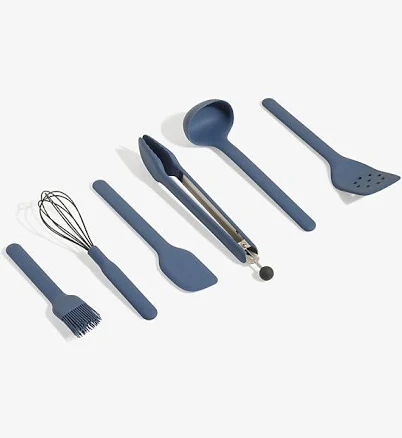
Our Place
Utensil Essentials 6-Piece Silicone Utensil Set
- Silicone utensils, no coating
- The brand calls it PFAS-free, which we have not verified
- Microplastic generation
2 hazards checked on this product. See all of them.
Our Place
Essential Utensil Set
- Stainless steel utensils
- The brand calls it PFAS-free, which we have not verified
- Nickel leaching from stainless steel
2 hazards checked on this product. See all of them.
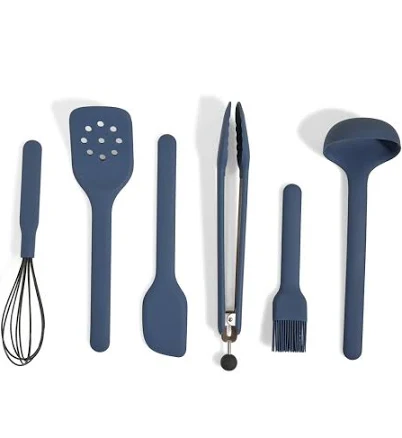
Our Place
Utensil Essentials Set
- Stainless steel utensils, material unclear
- The brand calls it PFAS-free, which we have not verified
- Handle material degradation (if present)
2 hazards checked on this product. See all of them.
More non-stick kitchen gadgets grades
How we score, every product runs through the same public 0-100 rubric based on materials, coatings, brand disclosure, lab findings, and recalls. See the full methodology → Spotted a mistake? Report an error.