T-fal · Non-Stick Kitchen Gadgets
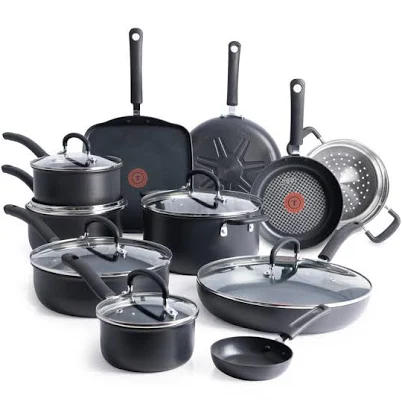
T-Fal Ultimate Hard Anodized Nonstick Cookware Set 17 Piece
Teflon-type coating non-stick coating, disclosed by the brand.
T-fal lists this range among its products containing intentionally added PFAS and says its nonstick contains Teflon-type coating, a Teflon-family coating in the PFAS family.
The better-graded swap
Our Place
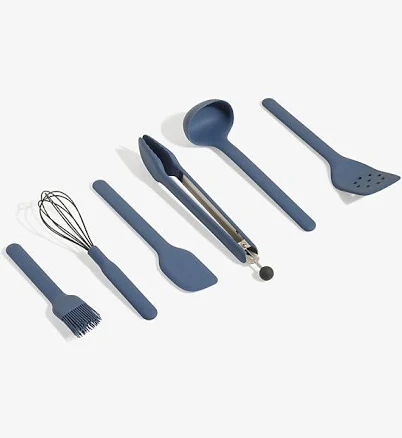
Our Place Utensil Essentials 6-Piece Silicone Utensil Set
90/100 safety
Same rubric that flunked this product. The swap earned Excellent.
Still want this one anyway? Check the price on Amazon. We’d swap it.
Material
Teflon-type coating non-stick coating, as disclosed by T-fal for this range
Lab data
No public lab test
Is T-Fal Ultimate Hard Anodized Nonstick non-toxic? What it is made of
This cookware features a hard-anodized aluminum body topped with Teflon-type coating (polytetrafluoroethylene) non-stick coating. Hard anodizing creates a dense oxide layer on the aluminum that reduces direct contact between food and the base metal, lowering leaching risk compared to untreated aluminum cookware. The Teflon-type coating is the primary chemical concern in this product category, not the aluminum substrate itself.
What’s concerning
No PFAS disclosure
No PFAS-free statement from the brand for this product.
PTFE / Teflon confirmed
The brand discloses a Teflon-type coating.
Category baseline
The starting point for this type of product, before anything specific to this product is counted.
Teflon-type coating fume risk above 500°F
Decomposition of Teflon-type coating at high temperatures can release toxic fumes; this risk is present with any Teflon-type coating cookware. Normal cooking below 350F-400F presents lower concern, but unattended heating or accidental overheating poses inhalation hazard. Ensure adequate ventilation and never preheat empty pans.
Coating degradation and microflaking
Teflon-type coating non-stick coatings degrade over time with use, particularly with abrasive cleaning or metal utensils. Flaking particles may enter food, though toxicity of ingested Teflon-type coating itself is considered low due to poor absorption. Visible coating loss is a functional and safety trigger for replacement.
Off-gassing or volatile organic compounds from non-stick
Some Teflon-type coating formulations may release low levels of volatile compounds during manufacturing or initial heating. Concerns are not specific to T-Fal but apply broadly to new Teflon-type coating cookware. Airing out cookware and ventilating the kitchen during initial use reduces potential exposure.
What’s reassuring
Aluminum leaching from hard-anodized base
Hard anodization significantly reduces aluminum leaching compared to untreated or bare aluminum cookware. No documented leaching issues specific to T-Fal hard-anodized cookware are on record. Leaching risk increases only if the anodized coating is chipped or removed.
Lead
No documented contamination with lead or cadmium has been reported for T-Fal cookware in this product line. Teflon-type coating and hard-anodized surfaces do not typically employ lead-containing glazes or enamels.
Source, ATSDR ↗The full breakdown
The brand's record and disclosure
T-Fal discloses Teflon-type coating as the non-stick material in this line but provides no public statement on PFAS avoidance or phasing plans. The brand has no documented PFOA-related recalls for this product line. T-Fal offers no third-party certifications (such as GREENGUARD) for non-stick cookware safety, and does not market PFOA-free or alternative non-stick options prominently in its cookware portfolio.
How it compares in its category
Hard-anodized Teflon-type coating cookware is a mid-market standard. T-Fal's approach is typical of mainstream brands using conventional Teflon-type coating rather than proprietary ceramic or silicone-based coatings. Ceramic non-stick alternatives exist (e.g., GreenPan, Our Place) and carry lower PFAS burden, though they often have shorter coating durability. Cast iron and stainless steel eliminate Teflon-type coating entirely but require different cooking habits.
If you buy it
Never exceed medium heat (around 350F, well below Teflon-type coating decomposition threshold of 500F+); higher temperatures increase fume risk even if visible damage is absent. Inspect the coating regularly for chips, flaking, or discoloration; replace cookware if non-stick surface visibly degrades. Hand-wash rather than dishwasher to extend coating life. Allow cookware to cool before washing; avoid metal utensils and abrasive scrubbers.
What we don’t know
- Basis
- Model estimate, 35% confidence, not a lab result
- Lab test
- None on record for this exact product
- Brand statement
- T-fal has made a specific claim
Formulations change between production runs, so check the current label. How we grade.
Better-graded alternatives in Non-Stick Kitchen Gadgets
Our Place
Utensil Essentials 6-Piece Silicone Utensil Set
- Silicone utensils, no coating
- The brand calls it PFAS-free, which we have not verified
- Microplastic generation
2 hazards checked on this product. See all of them.
Our Place
Essential Utensil Set
- Stainless steel utensils
- The brand calls it PFAS-free, which we have not verified
- Nickel leaching from stainless steel
2 hazards checked on this product. See all of them.
Our Place
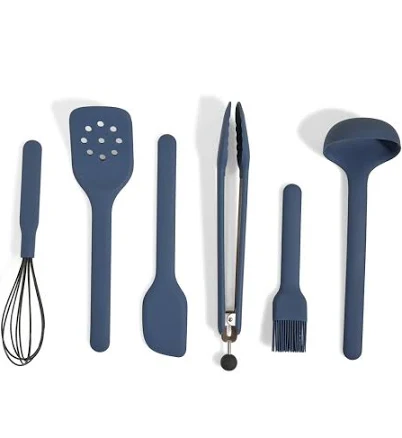
Utensil Essentials Set
- Stainless steel utensils, material unclear
- The brand calls it PFAS-free, which we have not verified
- Handle material degradation (if present)
2 hazards checked on this product. See all of them.
More non-stick kitchen gadgets grades
How we score, every product runs through the same public 0-100 rubric based on materials, coatings, brand disclosure, lab findings, and recalls. See the full methodology → Spotted a mistake? Report an error.