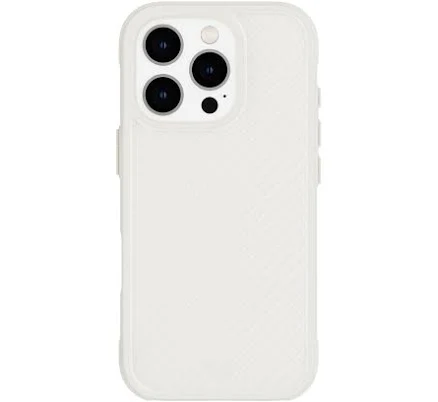
Tech21 · Waterproof Phone Cases
Tech21 EvoArmor MagSafe Compatible Case for iPhone 16 Pro
No coating described, and no PFAS statement from the brand.
The product information we reviewed describes thermoplastic polyurethane (TPU) or silicone blend, with no water-repellent coating named. Water resistance on products like this usually comes from the material and its seals rather than a surface treatment. The brand has published no PFAS statement for it.
We flunk more products than we pass. This one earned its grade. How we grade
Material
Thermoplastic polyurethane (TPU) or silicone blend
Brand disclosure
Brand is silent on PFAS
Lab data
No public lab test
You may also be interested in
Top-graded picks in the categories readers replace first, every one scored on the same rubric.

- polypropylene filter housing, carbon/sediment cartridge
- We found no PFAS statement from the brand
- Bacterial growth in spent cartridges
3 hazards checked on this product, all on its full breakdown.

Aquasure
Premier Series 75 GPD Under Sink Reverse Osmosis Water Filtration System
- RO membrane, carbon filters, stainless steel housing
- We found no PFAS statement from the brand
- Bacterial and microbial growth in housing and filters
4 hazards checked on this product, all on its full breakdown.

Avocado
Vegan Mattress
- organic cotton, natural latex, coconut coir, recycled steel coils
- The brand calls it PFAS-free, which we have not verified
- Heavy metals
2 hazards checked on this product, all on its full breakdown.
What Tech21 EvoArmor MagSafe Compatible Pro is made of, ingredients and materials
Tech21 EvoArmor uses thermoplastic polyurethane (TPU) or a TPU-silicone blend, both elastomeric plastics chosen for drop protection and grip. TPU and silicone do not leach BPA, BPS, or phthalates under normal phone-use conditions because they are not food-contact materials and contain no known plasticizers of concern in those classes. The case is designed to be a passive barrier; it does not require heating, cooking, or prolonged sun exposure that would stress the polymer matrix, minimizing leaching risk from use.
What’s concerning
Category baseline
The starting point for this type of product, before anything specific to this product is counted.
No PFAS disclosure
No public statement from the brand about PFAS in this product.
Microplastic shedding from case degradation
TPU and silicone can shed microscopic particles if scratched, cracked, or repeatedly flexed over years; this is a known limitation of elastomeric phone cases but poses no toxicological risk to the user unless ingested, and is typically minimal in normal use.
Volatile organic compound (VOC) off-gassing
New TPU and silicone cases may release trace organic volatiles during the first few days of use; this is common across the category but not reported as a safety concern and dissipates within a week of normal air exposure.
What’s reassuring
Base material not linked to PFAS
The main material recorded for this product is not one associated with PFAS.
Phthalates
TPU and silicone formulations used in phone cases typically do not rely on phthalate plasticizers; no safety testing is publicly available for this specific product, but the material class is not associated with phthalate leaching in consumer reports.
Source, ATSDR ↗BPA & bisphenols
TPU and silicone are not polycarbonate derivatives and do not require BPA or BPS as a component. No recalls or warnings exist for Tech21 cases citing BPA or BPS.
Source, FDA ↗Heavy metals
No published data or recalls link Tech21 cases to lead, cadmium, or chromium in colorants. Elastomeric cases do not undergo the high-heat firing processes that concentrate heavy metals in glazed ceramics.
Source, FDA ↗How is this PFAS grade calculated?
The brand's record and disclosure
Tech21 is owned by Otter Products and has a long history in protective cases but does not publish material safety data sheets or chemical certifications for consumer view. The brand has not made public statements about PFAS, phthalates, heavy metals, or other restricted substances in case materials. No major recalls or safety controversies are on record for this product line regarding chemical contamination or material degradation.
How it compares in its category
Phone cases in this category are typically TPU, silicone, or rigid polycarbonate with TPU bumpers. Tech21's TPU-silicone approach is mainstream and offers no inherent advantage or disadvantage over competitors like OtterBox, Spigen, or Apple-branded cases in terms of chemical safety. Silicone cases can trap moisture and promote bacterial growth on the phone surface if not aired regularly, but this is a hygiene issue, not a chemical one. TPU cases may yellow with UV exposure over time but do not pose a safety hazard.
If you buy it
Avoid prolonged direct sunlight to slow cosmetic yellowing of TPU. Do not expose the case to heat sources above 60°C (140°F) to prevent any minor polymer softening, though normal phone operation will not reach this. Remove the case periodically to allow the phone surface to air and dry, reducing moisture accumulation. Replace the case if visible cracks, crumbling, or permanent tacky residue develop, as these indicate material degradation.
What is not known about PFAS in this product?
- Basis
- Model estimate, 35% confidence, not a lab result
- Lab test
- None on record for this exact product
- Brand statement
- Tech21 has made none
Formulations change between production runs, so check the current label. How we grade.
What are the PFAS-free alternatives to Tech21 EvoArmor MagSafe Compatible Case for iPhone 16 Pro?
- Flax fiber and plant-based resin blend, compostable
- A third party reports verifying it as PFAS-free
- Coating degradation and durability over time
2 hazards checked on this product, all on its full breakdown.
- plant-based bioplastic (flax and other plant fibers)
- A third party reports verifying it as PFAS-free
- Thermal degradation and warping
3 hazards checked on this product, all on its full breakdown.
- Plant-based bioplastic (compostable blend)
- A third party reports verifying it as PFAS-free
- Bioplastic degradation and microparticle shedding
More waterproof phone cases grades
How we score, every product runs through the same public 0-100 rubric based on materials, coatings, brand disclosure, lab findings, and recalls. See the full methodology → Spotted a mistake? Report an error.