Titleist · Golf Balls & Equipment
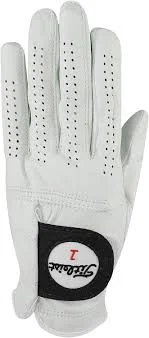
Titleist Men's Players Golf Glove
Water-resistant coating likely present; Titleist won't disclose PFAS.
Leather and synthetic construction with water-resistant finish. Titleist reveals nothing about PFAS in their coating chemistry.
The better-graded swap

Wilson
Wilson Duo Soft Golf Balls
85/100 safety
Same rubric that flunked this product. The swap earned Excellent.
Still want this one anyway? Check the price on Amazon. We’d swap it.
Material
Leather/synthetic with water-resistant treatment
Brand disclosure
Brand is silent on PFAS
Lab data
No public lab test
You may also be interested in
Top-graded picks in the categories readers replace first, every one scored on the same rubric.

Aqua Pure
3M Aqua-Pure AP802B Whole House Filter Housing
- polypropylene filter housing, carbon/sediment cartridge
- We found no PFAS statement from the brand
- Bacterial growth in spent cartridges
3 hazards checked on this product. See all of them.

Aquasure
Premier Series 75 GPD Under Sink Reverse Osmosis Water Filtration System
- RO membrane, carbon filters, stainless steel housing
- We found no PFAS statement from the brand
- Bacterial and microbial growth in housing and filters
4 hazards checked on this product. See all of them.

Avocado
Vegan Mattress
- organic cotton, natural latex, coconut coir, recycled steel coils
- The brand calls it PFAS-free, which we have not verified
- Heavy metals
2 hazards checked on this product. See all of them.
What Titleist Men's Players Golf Glove is made of, ingredients and materials
Titleist Players gloves combine leather (typically cabretta or synthetic leather) with synthetic backing and a water-resistant treatment applied to the surface. The water repellency almost certainly relies on fluorinated compounds (PFAS class) rather than silicone-based alternatives, which is standard across the golf glove industry. Leather itself is inert when untreated, but the finishing chemicals are the primary exposure route during use and care.
What’s concerning
Category baseline
The starting point for this type of product, before anything specific to this product is counted.
No PFAS disclosure
No public statement from the brand about PFAS in this product.
Waterproof / stain-resistant treatment
Water-repellent coating treatments have historically used PFAS.
PFAS
Water-resistant golf glove finishes virtually always use per- or polyfluoroalkyl compounds. Titleist has not disclosed alternatives or banned PFAS. Direct skin contact is limited but repeated use may incrementally expose hands to coating residues.
Source, ATSDR ↗Formaldehyde / VOCs
Leather tanning and synthetic fabric finishes may contain formaldehyde-releasing resins. No specific test data for Titleist gloves exists in public records. Inhalation risk is minimal during wear; off-gassing is typical only immediately after manufacture.
Source, ATSDR ↗Synthetic backing degradation and microfiber shedding
Repeated flexing and friction (swing grip) cause the synthetic backing to shed microfibers onto hands and into sweat. This is a common durability issue across synthetic-blend gloves rather than a toxicity hazard per se, but accumulation over months of use is foreseeable.
Skin irritation from coating or dyes
Some users report contact dermatitis from glove coatings, particularly in humid conditions when moisture is trapped under the water-repellent layer. Risk is individual; no brand-specific adverse event data is available for Titleist.
What’s reassuring
Heavy metals
Leather dyeing can introduce lead, chromium, or cadmium in low-regulation tanneries. Titleist does not disclose tannery standards or metal testing. No recalls or contamination reports are documented for this product line.
Source, FDA ↗The full breakdown
The brand's record and disclosure
Titleist (Acushnet Holdings) does not publicly disclose PFAS use, specific chemical treatments, or third-party certifications (such as Bluesign or GOTS) for apparel products. The company maintains silent disclosure on water-repellent coating chemistry across its glove line. No recalls or established safety controversies are on record for this specific product.
How it compares in its category
Golf gloves universally apply water-repellent treatments; Titleist is mainstream in this regard with no documented differentiation toward lower-PFAS alternatives. Some competitors (e.g., Bionic, Callaway) similarly lack transparent PFAS claims. Premium leather gloves across brands share identical chemical treatment profiles. Glove category has lower total chemical exposure than synthetic footwear or outerwear due to minimal surface area contact.
If you buy it
Wash hands after use to minimize residual coating contact, especially before eating. Replace gloves every 6-12 months or when the grip surface degrades, as worn coating may shed microparticles. Store dry; do not machine wash or apply heat (dryer, direct sunlight). Avoid prolonged contact with skin in hot, sweaty conditions if you have sensitive skin, since the water-resistant coating can trap moisture and irritate.
What we don’t know
- Basis
- Model estimate, 45% confidence, not a lab result
- Lab test
- None on record for this exact product
- Brand statement
- Titleist has made none
Formulations change between production runs, so check the current label. How we grade.
Better-graded alternatives in Golf Balls & Equipment

Wilson
Men's Profile Complete Golf Set
- Steel clubheads, graphite shafts, rubber grips
- We found no PFAS statement from the brand
- Graphite shaft resin degradation and fiber exposure
3 hazards checked on this product. See all of them.
Callaway
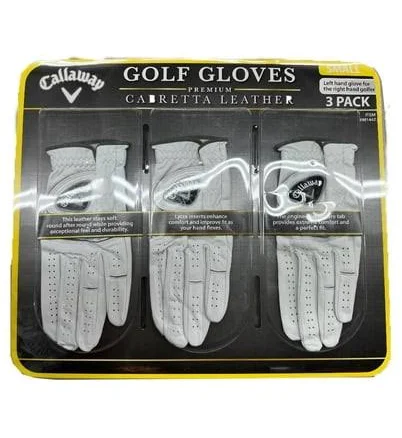
Golf Gloves 3-Pack Premium Cabretta Leather
- Cabretta leather, likely tannin-tanned
- We found no PFAS statement from the brand
- Heavy metals
4 hazards checked on this product. See all of them.
Acushnet
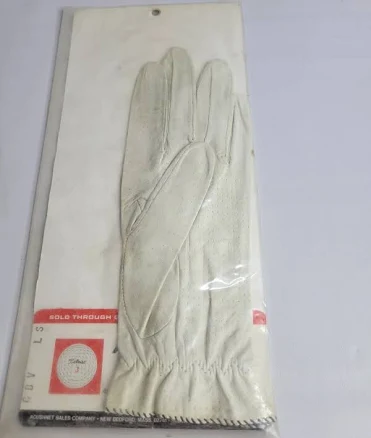
Ladies Small Acushnet Golf Glove White Lh
- leather or synthetic leather with cotton lining
- We found no PFAS statement from the brand
- Heavy metals
4 hazards checked on this product. See all of them.
Find an alternative on AmazonMore golf balls & equipment grades
How we score, every product runs through the same public 0-100 rubric based on materials, coatings, brand disclosure, lab findings, and recalls. See the full methodology → Spotted a mistake? Report an error.