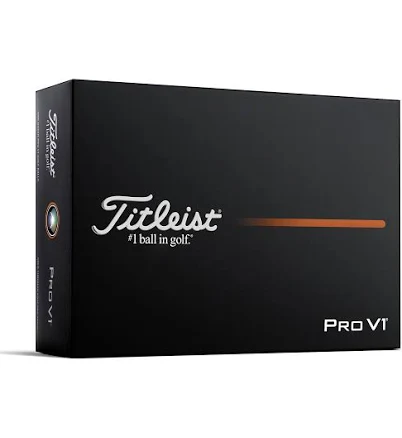
Titleist · Golf Balls & Equipment
Titleist Official Pro V1 Custom Golf Balls
Golf balls unlikely to pose PFAS exposure, Titleist provides no stated information.
Pro V1 balls feature an ionomer cover and synthetic polymer core. No brand PFAS disclosure or coating evidence matching known PFAS sources exists, though internal composition remains proprietary.
The better-graded swap
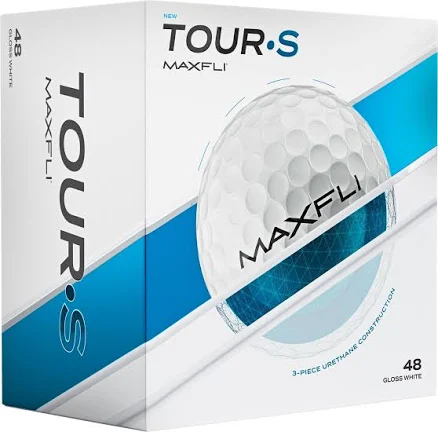
Maxfli
Maxfli Tour S Golf Balls
85/100 safety
Same rubric that flunked this product. The swap earned Excellent.
Still want this one anyway? Check the price on Amazon. We’d swap it.
Material
Synthetic polymer blend core, ionomer cover
Brand disclosure
Brand is silent on PFAS
Lab data
No public lab test
You may also be interested in
Top-graded picks in the categories readers replace first, every one scored on the same rubric.

Aqua Pure
3M Aqua-Pure AP802B Whole House Filter Housing
- polypropylene filter housing, carbon/sediment cartridge
- We found no PFAS statement from the brand
- Bacterial growth in spent cartridges
3 hazards checked on this product. See all of them.

Aquasure
Premier Series 75 GPD Under Sink Reverse Osmosis Water Filtration System
- RO membrane, carbon filters, stainless steel housing
- We found no PFAS statement from the brand
- Bacterial and microbial growth in housing and filters
4 hazards checked on this product. See all of them.

Avocado
Vegan Mattress
- organic cotton, natural latex, coconut coir, recycled steel coils
- The brand calls it PFAS-free, which we have not verified
- Heavy metals
2 hazards checked on this product. See all of them.
What Titleist Official Pro V1 Custom Golf Balls is made of, ingredients and materials
Pro V1 balls use a synthetic polymer blend core (typically surlyn or similar elastomer composites) wrapped in an ionomer cover, a thermoplastic material chemically inert under normal use. Unlike cookware or food contact items, golf balls are never heated for preparation, ingested, or worn against skin for extended periods. The ionomer cover is designed for durability and scuff resistance, meaning material shedding during play is minimal, and any micro-debris released stays external to the body.
What’s concerning
Category baseline
The starting point for this type of product, before anything specific to this product is counted.
No PFAS disclosure
No public statement from the brand about PFAS in this product.
Unknown / proprietary coating
A coating is recorded with no disclosed chemistry.
Microplastic shedding during use
Golf balls degrade mechanically over repeated play and abrasion against club heads and fairways, potentially shedding polymer particles into soil and water. This is an environmental concern rather than direct consumer health risk, as inhalation or ingestion during typical play is implausible. Titleist does not disclose microplastic migration data.
What’s reassuring
Polymer off-gassing (VOC release)
Golf balls are not heated, stored in sealed containers for extended periods, or used in ways that trigger volatile organic compound release. No reports of off-gassing complaints or testing for Titleist Pro V1 balls exist in public records.
Heavy metals
Golf ball polymers and ionomers are not manufactured with lead, cadmium, or antimony as intentional additives. No testing data or regulatory findings document heavy metal presence in Titleist golf balls or the category broadly.
Source, FDA ↗Coating degradation and leachate release
Ionomer covers are designed for structural stability and resist degradation from water, grass contact, and temperature variation within typical play conditions. No evidence links Titleist Pro V1 cover degradation to chemical leaching into skin or environmental reservoirs.
The full breakdown
The brand's record and disclosure
Titleist (Acushnet Holdings) does not publicly disclose detailed chemical composition or material safety data for golf balls, which is typical for the category since golf balls fall outside consumer product safety frameworks like CPSCs that govern toys or food contact items. No recalls, health complaints, or regulatory findings of chemical hazards in Titleist golf balls are on record. The brand has not faced documented controversies over polymer off-gassing, heavy metal contamination, or synthetic hazards in golf ball manufacturing.
How it compares in its category
Golf balls across all brands (Titleist, Callaway, Bridgestone, etc.) use essentially identical material classes, polymer/elastomer cores and ionomer or urethane covers. There is no meaningful chemical safety differentiation between premium and budget golf balls. Unlike textiles, cosmetics, or food-contact cookware, golf balls have generated no category-wide safety alerts or testing programs because direct exposure routes are negligible.
If you buy it
Golf balls require no special handling or maintenance for safety purposes. Standard practice is to rinse retrieved balls in water and dry them; no chemicals or heat should ever be applied. Replace balls if the cover cracks or peels significantly, as this indicates structural failure rather than chemical leaching risk. Storage in a cool, dry location is sufficient; sunlight exposure may degrade the cover aesthetically but poses no health hazard.
What we don’t know
- Basis
- Model estimate, 35% confidence, not a lab result
- Lab test
- None on record for this exact product
- Brand statement
- Titleist has made none
Formulations change between production runs, so check the current label. How we grade.
Better-graded alternatives in Golf Balls & Equipment
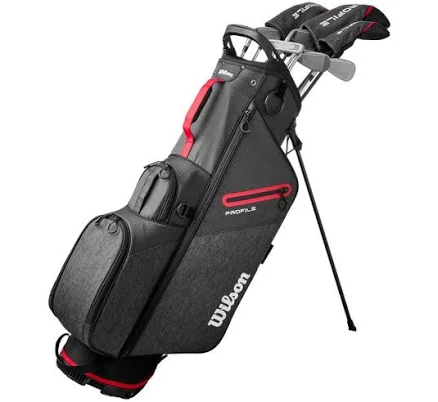
Wilson
Men's Profile Complete Golf Set
- Steel clubheads, graphite shafts, rubber grips
- We found no PFAS statement from the brand
- Graphite shaft resin degradation and fiber exposure
3 hazards checked on this product. See all of them.
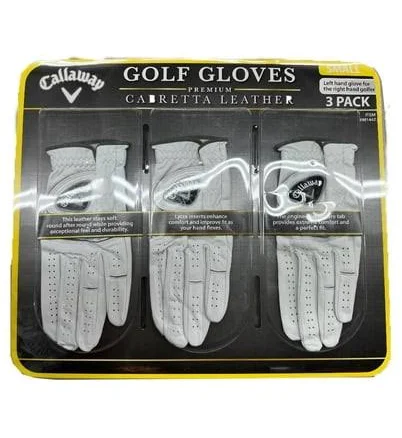
Callaway
Golf Gloves 3-Pack Premium Cabretta Leather
- Cabretta leather, likely tannin-tanned
- We found no PFAS statement from the brand
- Heavy metals
4 hazards checked on this product. See all of them.
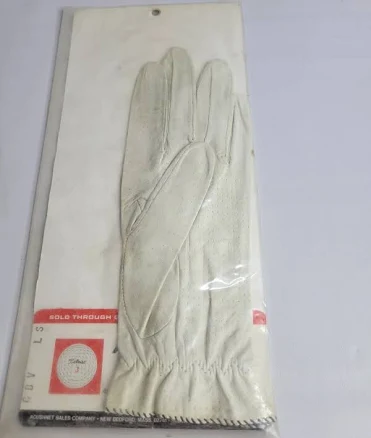
Acushnet
Ladies Small Acushnet Golf Glove White Lh
- leather or synthetic leather with cotton lining
- We found no PFAS statement from the brand
- Heavy metals
4 hazards checked on this product. See all of them.
Find an alternative on AmazonMore golf balls & equipment grades
How we score, every product runs through the same public 0-100 rubric based on materials, coatings, brand disclosure, lab findings, and recalls. See the full methodology → Spotted a mistake? Report an error.