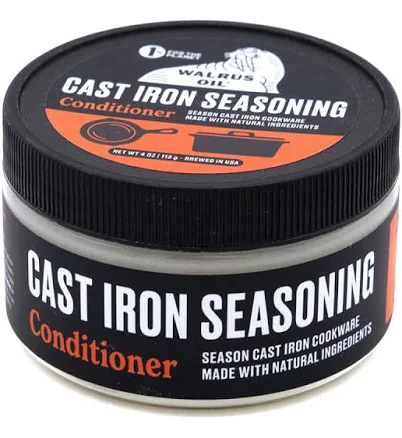
· Cast Iron Cookware Seasoning & Oil
Cast Iron Seasoning
Lower risk. Cast iron seasoning is bare metal with oil layer.
Cast iron seasoning is polymerized oil on bare metal without Teflon-family coating or waterproof coatings. This product poses lower PFAS risk than nonstick surfaces.
The better-graded swap
Lodge
Cast Iron Seasoning Spray
85/100 safety
Same rubric that flunked this product. The swap earned Excellent.
Still want this one anyway? Check the price on Amazon. We’d swap it.
Material
Cast iron seasoning oil/fat layer
Brand disclosure
Brand is silent on PFAS
Lab data
No public lab test
You may also be interested in
Top-graded picks in the categories readers replace first, every one scored on the same rubric.

- polypropylene filter housing, carbon/sediment cartridge
- We found no PFAS statement from the brand
- Bacterial growth in spent cartridges
3 hazards checked on this product, all on its full breakdown.

Aquasure
Premier Series 75 GPD Under Sink Reverse Osmosis Water Filtration System
- RO membrane, carbon filters, stainless steel housing
- We found no PFAS statement from the brand
- Bacterial and microbial growth in housing and filters
4 hazards checked on this product, all on its full breakdown.

Avocado
Vegan Mattress
- organic cotton, natural latex, coconut coir, recycled steel coils
- The brand calls it PFAS-free, which we have not verified
- Heavy metals
2 hazards checked on this product, all on its full breakdown.
What Cast Iron Seasoning is made of, ingredients and materials
Cast Iron Seasoning is a fat or oil-based product designed to build protective layers on bare cast iron through heat polymerization. The seasoning itself is typically rendered animal fat, vegetable oil, or a blend; once heated and cured onto the metal, it becomes a hard, inert polymeric coating that serves as non-stick surface and corrosion barrier. The actual material doing the work is the cast iron substrate beneath, which is chemically stable iron and carbon, not the oil layer itself after curing.
What’s concerning
Category baseline
The starting point for this type of product, before anything specific to this product is counted.
No PFAS disclosure
No public statement from the brand about PFAS in this product.
Oil/fat rancidity (if liquid product)
If seasoning is sold as bottled liquid fat rather than solid, prolonged storage without proper sealing or refrigeration may allow oxidative breakdown, producing off-flavors or mild irritants. This is a storage issue, not an inherent toxicity hazard.
Smoke/fume inhalation during application
Heating fat or oil to polymerization temperatures generates visible smoke containing acrolein and other volatile compounds. This is not a defect of the product but a normal consequence of the curing process; use ventilation and avoid inhaling fumes directly.
What’s reassuring
Base material not linked to PFAS
The main material recorded for this product is not one associated with PFAS.
Cadmium
Cast iron seasoning does not involve glazes, enamels, or ceramic coatings that typically harbor these metals. The substrate is pure cast iron, which does not leach cadmium or aluminum; seasoning oil becomes inert once cured.
Source, ATSDR ↗Lead
Modern cast iron cookware, including the brand-seasoned cast iron, is not manufactured with lead-bearing alloys. Vintage cast iron predating the 1970s may contain trace lead, but that is a property of the pan itself, not the seasoning product.
Source, ATSDR ↗Coating degradation or flaking
Cast iron seasoning, once properly cured, does not flake or degrade into consumable particles like synthetic non-stick coatings can. It wears off through use and requires reapplication, but does not fragment.
How is this PFAS grade calculated?
The brand's record and disclosure
The brand is a small, regional cast iron seasoning producer with no significant public safety controversies or recalls documented in major consumer safety databases. The brand has not issued detailed ingredient disclosure statements or third-party certifications for the product. No evidence of formal PFAS testing or mitigation commitments has been published, consistent with the low regulatory scrutiny cast iron seasonings receive.
How it compares in its category
Cast iron seasoning products present lower concern regarding cookware hazards because they are not synthetic coatings prone to degradation, off-gassing, or heavy-metal leaching (unlike non-stick coatings or enameled cast iron). Most competitors, including Lodge, Smithey, and Field Company offerings, follow identical chemistry, rendered fat or neutral oil applied and cured. Occupies the same minimal-risk tier as these established brands.
If you buy it
Apply seasoning in thin, even layers at moderate heat (around 400-500°F oven temperature) to allow the oil to polymerize into a hard, food-safe coating rather than remain tacky. Avoid overheating to extremely high temperatures (sustained 600°F+) which can degrade the seasoning and create smoke/fume risk unrelated to the product itself. Reapply seasoning periodically after heavy use or acidic cooking to maintain the protective layer. Store in a cool, dark place away from heat and light to prevent rancidity if the product is sold as liquid.
What is not known about PFAS in this product?
- Basis
- Model estimate, 85% confidence, not a lab result
- Lab test
- None on record for this exact product
- Brand statement
- has made none
Formulations change between production runs, so check the current label. How we grade.
What are the PFAS-free alternatives to Cast Iron Seasoning?
- Organic waxes and oils blend
- We found no PFAS statement from the brand
- Oil rancidity and off-gassing
2 hazards checked on this product, all on its full breakdown.
- mineral oil and soy-based oil blend
- Aerosol inhalation (mineral oil mist)
3 hazards checked on this product, all on its full breakdown.
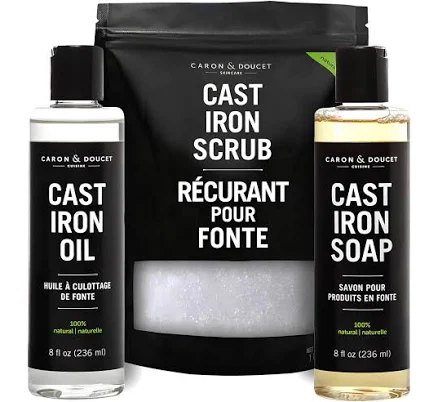
Cast Iron Ultimate Bundle
- cast iron, bare or seasoned with the brand
- We found no PFAS statement from the brand
- Iron leaching into food
2 hazards checked on this product, all on its full breakdown.
More cast iron cookware seasoning & oil grades
How we score, every product runs through the same public 0-100 rubric based on materials, coatings, brand disclosure, lab findings, and recalls. See the full methodology → Spotted a mistake? Report an error.