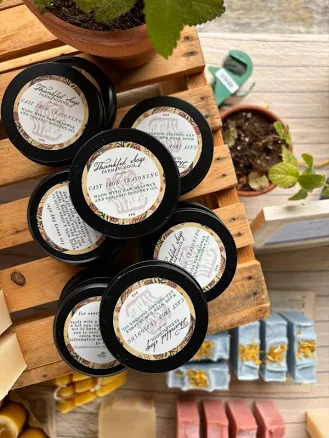
· Cast Iron Cookware Seasoning & Oil
Cast Iron Seasoning (Regular)
Oil-based seasoning blend with no material linked to PFAS on record.
Material as recorded is an oil-based seasoning blend for cast iron. The brand has no PFAS statement on record. No coating, treatment, or special finish is noted.
The better-graded swap
Crisbee
Stik Cast Iron Seasoning
85/100 safety
Same rubric that flunked this product. The swap earned Excellent.
Still want this one anyway? Check the price on Amazon. We’d swap it.
Material
Oil-based seasoning blend for cast iron
Brand disclosure
Brand is silent on PFAS
Lab data
No public lab test
You may also be interested in
Top-graded picks in the categories readers replace first, every one scored on the same rubric.

- polypropylene filter housing, carbon/sediment cartridge
- We found no PFAS statement from the brand
- Bacterial growth in spent cartridges
3 hazards checked on this product, all on its full breakdown.

Aquasure
Premier Series 75 GPD Under Sink Reverse Osmosis Water Filtration System
- RO membrane, carbon filters, stainless steel housing
- We found no PFAS statement from the brand
- Bacterial and microbial growth in housing and filters
4 hazards checked on this product, all on its full breakdown.

Avocado
Vegan Mattress
- organic cotton, natural latex, coconut coir, recycled steel coils
- The brand calls it PFAS-free, which we have not verified
- Heavy metals
2 hazards checked on this product, all on its full breakdown.
What Cast Iron Seasoning (Regular) is made of, ingredients and materials
Cast iron seasoning is typically a blend of food-grade mineral oil, vegetable oil, or other edible oils mixed with a small amount of wax or resin to promote adhesion and durability of the seasoning layer on bare iron. These oils polymerize when heated, forming a protective non-stick coating that is not ingested and does not leach into food. The lack of synthetic polymers, glazes, or enamel coatings means the hazards common to ceramic or non-stick cookware (lead, cadmium, Teflon-type coating fumes) do not apply.
What’s concerning
Category baseline
The starting point for this type of product, before anything specific to this product is counted.
No PFAS disclosure
No public statement from the brand about PFAS in this product.
Rancidity and oxidative breakdown of oil
Unsealed bottles or improper storage may allow mineral or vegetable oil to oxidize over time, producing off-odors or a weakened seasoning layer. This is a quality issue, not a direct toxicity risk, but degraded seasoning may flake into food.
Smoke and irritation from overheating
If applied too thickly or heated above the oil's smoke point, the seasoning will smoke and emit volatile organic compounds that can irritate airways; this is a use error rather than a product defect.
What’s reassuring
Base material not linked to PFAS
The main material recorded for this product is not one associated with PFAS.
Heavy metals
Cast iron cookware itself does not leach lead or cadmium when properly seasoned; the oil coating isolates the iron from contact with acidic food. This hazard applies only to damaged or unsealed cast iron.
Source, FDA ↗Heavy metals
Food-grade mineral and vegetable oils are regulated by the FDA and not documented to contain harmful residues at levels of concern. No testing results for brand are published, but the hazard class is not established for this product type.
Source, FDA ↗Allergic or sensitization reactions to fragrance or additives
Cast iron seasoning oils typically contain no fragrance or known allergens; the product is not absorbed through skin during use. Ingredient opacity prevents confirmation, but no complaints are on record.
How is this PFAS grade calculated?
The brand's record and disclosure
The brand publishes no detailed ingredient list or third-party certifications currently available in public records. The brand maintains a silent stance on PFAS and does not advertise independent safety testing. No product recalls or safety complaints have been documented for this seasoning. Without transparency on exact oil sources or additives, assessment relies on the inherent safety profile of mineral and vegetable oil products in this category.
How it compares in its category
Oil-based cast iron seasonings present lower concern within cookware finishes compared to enameled or non-stick cookware, which carry coating-degradation and fume risks. Most competitors in this segment (Crisco, grapeseed oil, coconut oil) use similarly simple formulations. Unlike ceramic-coated cast iron skillets, which may contain lead or cadmium in decorative glazes, bare iron with oil seasoning eliminates those material hazards entirely.
If you buy it
Apply thin, even coats and wipe away excess to prevent rancid oil buildup. Avoid heating seasoning beyond the smoke point of its base oil (typically 400-500 degrees Fahrenheit for mineral oil); exceeding this will degrade the seasoning and produce smoke rather than damage health. Re-season periodically as the layer wears, especially after acidic cooking. Store the bottle away from heat and light to prevent oil oxidation.
What is not known about PFAS in this product?
- Basis
- Model estimate, 82% confidence, not a lab result
- Lab test
- None on record for this exact product
- Brand statement
- has made none
Formulations change between production runs, so check the current label. How we grade.
What are the PFAS-free alternatives to Cast Iron Seasoning (Regular)?
- Organic waxes and oils blend
- We found no PFAS statement from the brand
- Oil rancidity and off-gassing
2 hazards checked on this product, all on its full breakdown.
- mineral oil and soy-based oil blend
- Aerosol inhalation (mineral oil mist)
3 hazards checked on this product, all on its full breakdown.
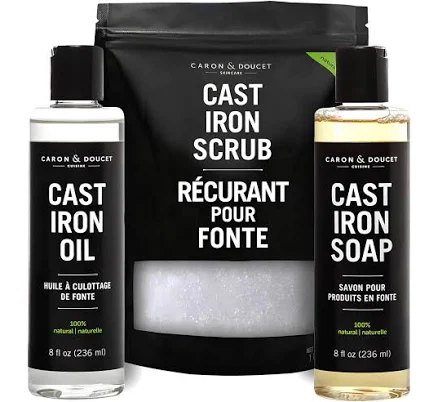
Cast Iron Ultimate Bundle
- cast iron, bare or seasoned with the brand
- We found no PFAS statement from the brand
- Iron leaching into food
2 hazards checked on this product, all on its full breakdown.
More cast iron cookware seasoning & oil grades
How we score, every product runs through the same public 0-100 rubric based on materials, coatings, brand disclosure, lab findings, and recalls. See the full methodology → Spotted a mistake? Report an error.