TrafficMaster · Carpets & Rugs
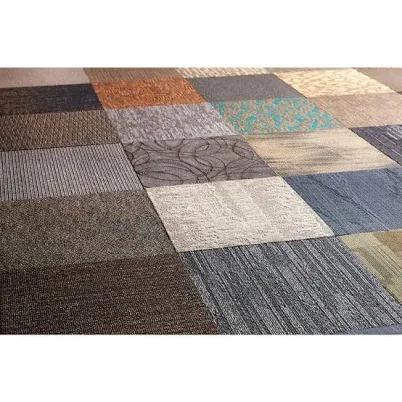
TrafficMaster Versatile Assorted Commercial Pattern 24 in. x 24 in. Carpet Tile (10 Tiles/Case) sq. ft.
Skip. Stain-resistant carpet tiles often contain PFAS; TrafficMaster discloses nothing.
TrafficMaster commercial carpet tiles typically feature stain-resistant finishes to resist soil and spills. The brand provides no PFAS disclosure or third-party testing, making the finish chemistry unknown.
The better-graded swap
Style Selections
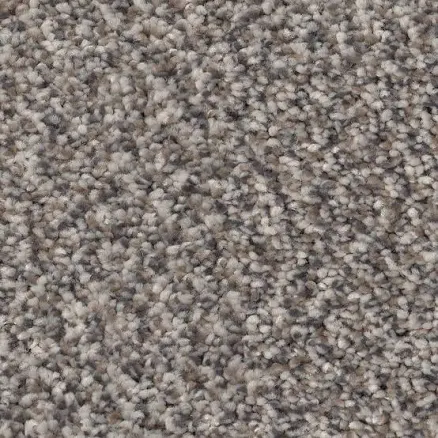
Style Selections 8-in x 8-in Hideaway II 39-oz sq yard Polyester Textured Indoor Carpet
75/100 safety
Same rubric that flunked this product. The swap earned Excellent.
Still want this one anyway? Check the price on Amazon. We’d swap it.
Material
nylon carpet tile with stain-resistant finish
Brand disclosure
Brand is silent on PFAS
Lab data
No public lab test
What TrafficMaster Versatile Assorted is made of, ingredients and materials
This product is a nylon 6 or nylon 6.6 carpet tile with an applied stain-resistant finish. Nylon itself is a stable synthetic polymer, but the stain-resistant coating (typically fluorochemical-based given the PFAS poor rating) and any added flame retardants or backing adhesives are the chemical concern points. The tile format and commercial-grade construction suggest potential use of brominated or phosphorus-based flame retardants to meet commercial fire codes, though TrafficMaster does not specify which.
What’s concerning
Stain-resistant finish
Stain-resistant finishes are a common PFAS use.
Category baseline
The starting point for this type of product, before anything specific to this product is counted.
No PFAS disclosure
No public statement from the brand about PFAS in this product.
Flame retardants
Commercial-grade nylon carpet tiles typically contain added flame retardants to meet commercial building codes (e.g., ASTM E648). TrafficMaster does not disclose the specific flame retardant chemistry, type, or concentration, making it impossible to rule out brominated compounds or other persistent additives. Migration into dust and indoor air during use and degradation is a documented concern in
Source, EPA ↗Volatile organic compounds (VOCs) from adhesives and backing
Nylon carpet tiles with latex or synthetic rubber backing typically emit formaldehyde, toluene, and other VOCs, especially during the first weeks after installation. TrafficMaster does not provide VOC emissions data or compliance with FloorScore or GreenGuard certification, leaving potential off-gassing levels unknown.
Stain-resistant coating degradation and leaching
The stain-resistant finish, likely fluorochemical-based given the PFAS poor rating, may degrade under moisture, heat, or abrasion over the product lifespan. As the coating breaks down, residual chemicals and coating particles may be shed into indoor dust or absorbed into backing and subfloor.
Formaldehyde / VOCs
Some commercial carpet backings and latex adhesives contain formaldehyde-releasing resins as part of the manufacturing process. TrafficMaster does not disclose formaldehyde content or testing, so presence cannot be ruled out.
Source, ATSDR ↗What’s reassuring
Microplastic and fiber shedding
Nylon carpet tiles shed microfibers into air and dust as a normal wear process, particularly under foot traffic. This is not specific to TrafficMaster but is inherent to the material class; no brand-specific shedding data is on record for this product.
The full breakdown
The brand's record and disclosure
TrafficMaster, a Home Depot private label, provides minimal transparency on chemical content, certifications, or restricted substance lists. The brand has no publicly documented commitment to PFAS phase-out or disclosure of flame retardant chemistry. No major recalls or safety controversies specific to this product line are on record, but the absence of disclosure is itself a red flag in the commercial carpet segment, where flame retardants and fluorochemical finishes are standard practice.
How it compares in its category
Commercial nylon carpet tiles routinely contain flame retardants and stain treatments; TrafficMaster's silence on both puts it below competitors who disclose compliance with GreenGuard, CRI Green Label Plus, or similar third-party standards. Premium commercial tiles from manufacturers like Mohawk or Interface typically offer clearer chemical disclosure and lower-PFAS alternatives. Budget commercial options like TrafficMaster often trade transparency for cost, increasing uncertainty about flame retardant type and concentration.
If you buy it
Ensure adequate ventilation during and immediately after installation to minimize off-gassing of volatile organics from adhesives and backing. Avoid installing in areas with high moisture or heat (near radiators or direct sunlight), which can accelerate coating and adhesive degradation. Clean spills promptly with water or mild detergent to avoid relying on the stain-resistant finish, which may degrade over time. Plan for replacement every 7-10 years in moderate commercial traffic, sooner in high-traffic zones.
What we don’t know
- Basis
- Model estimate, 45% confidence, not a lab result
- Lab test
- None on record for this exact product
- Brand statement
- TrafficMaster has made none
Formulations change between production runs, so check the current label. How we grade.
Better-graded alternatives in Carpets & Rugs
Axminster
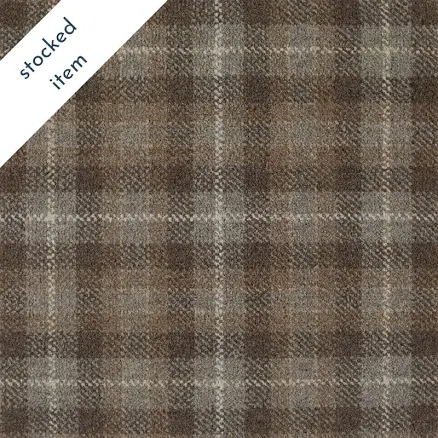
Ben Vorlich Tartan Axminster Carpet | Wool Plaid
- wool plaid, Axminster weave
- We found no PFAS statement from the brand
- Formaldehyde / VOCs
4 hazards checked on this product. See all of them.

Style Selections
Timeless Brown Polyester Textured Indoor Carpet
- polyester fiber, untreated
- We found no PFAS statement from the brand
- Formaldehyde / VOCs
4 hazards checked on this product. See all of them.
Daltile
Flooring
- Ceramic tile, porcelain, or stone composite
- We found no PFAS statement from the brand
- Volatile Organic Compounds (VOCs) from installation adhesives and grout
4 hazards checked on this product. See all of them.
More carpets & rugs grades
How we score, every product runs through the same public 0-100 rubric based on materials, coatings, brand disclosure, lab findings, and recalls. See the full methodology → Spotted a mistake? Report an error.