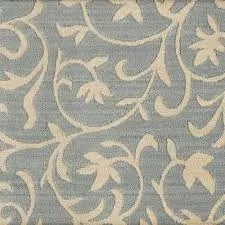
Victoria Buckingham - Bucki Blue/Ivory
Wool carpet with unknown stain treatment, PFAS disclosure unclear.
The brand does not publicly disclose PFAS content or stain treatment chemistry for this wool blend. Traditional carpet stain treatments often contain PFAS, but specifics are unavailable.
The better-graded swap
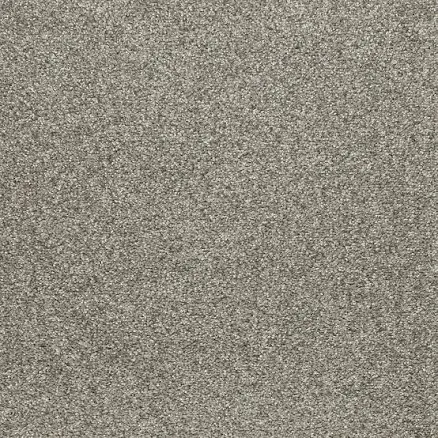
Style Selections
Style Selections 8-in x 8-in Vibrant Blend Brown 37-oz sq yard Polyester Textured Indoor Carpet STP32-L
75/100 safety
Same rubric that flunked this product. The swap earned Excellent.
Still want this one anyway? Check the price on Amazon. We’d swap it.
Material
Wool/synthetic blend carpet with stain resistance treatment
Brand disclosure
Brand is silent on PFAS
Lab data
No public lab test
You may also be interested in
Top-graded picks in the categories readers replace first, every one scored on the same rubric.

- polypropylene filter housing, carbon/sediment cartridge
- We found no PFAS statement from the brand
- Bacterial growth in spent cartridges
3 hazards checked on this product, all on its full breakdown.

Aquasure
Premier Series 75 GPD Under Sink Reverse Osmosis Water Filtration System
- RO membrane, carbon filters, stainless steel housing
- We found no PFAS statement from the brand
- Bacterial and microbial growth in housing and filters
4 hazards checked on this product, all on its full breakdown.

Avocado
Vegan Mattress
- organic cotton, natural latex, coconut coir, recycled steel coils
- The brand calls it PFAS-free, which we have not verified
- Heavy metals
2 hazards checked on this product, all on its full breakdown.
What Victoria Buckingham - Bucki Blue/Ivory is made of, ingredients and materials
Buckingham is a wool-synthetic blend carpet, likely combining wool's natural flame resistance and durability with synthetic fibers (probably polypropylene or polyester) for cost and stain resistance. The stain resistance treatment is the unknown variable here. Wool itself is non-toxic, but synthetic components and chemical finishes introduce potential exposure points during installation, use, and disposal. The blend's performance depends heavily on the type and concentration of stain-guard applied.
What’s concerning
Stain-resistant finish
Stain-resistant finishes are a common PFAS use.
Category baseline
The starting point for this type of product, before anything specific to this product is counted.
No PFAS disclosure
No public statement from the brand about PFAS in this product.
Flame retardants
Wool is naturally flame-resistant, but synthetic fiber components and adhesives may contain brominated or organophosphate flame retardants. The brand does not publish formulations, so the extent of intentional addition is unknown.
Source, EPA ↗Volatile organic compounds (VOCs) from stain treatment and backing
Wool-blend carpets with chemical finishes commonly off-gas VOCs such as styrene and toluene immediately after installation. Synthetic backing and stain treatments are typical sources; Victoria products show no published emission testing data.
PFAS
The poor PFAS grade (45/100) and absence of explicit PFAS-free certification suggest traditional fluorinated stain guards may be present. PFAS compounds are persistent in the body and environment; this is the product's primary chemical-safety concern.
Source, ATSDR ↗Formaldehyde / VOCs
Synthetic carpet backings and jute-latex adhesives may contain formaldehyde-based resins. No independent testing or certification (e.g., FloorScore) is cited for Buckingham.
Source, ATSDR ↗What’s reassuring
Microfiber shedding and ingestion/inhalation
Wool-synthetic blends shed less than pure synthetic carpets, and no specific shedding issues are on record for this product. Standard carpet care minimizes this risk.
How is this PFAS grade calculated?
The brand's record and disclosure
The brand does not publicly disclose stain-treatment chemistry or publish transparency reports on chemical use. The brand provides no independent certifications (such as Cradle to Cradle, GreenGuard, or Wool Mark environmental standards) visible in standard product documentation. This silence on stain-treatment composition is a significant gap, as PFAS-based water and oil repellents were industry standard until recently and remain common in wool carpets. Without explicit confirmation of PFAS-free treatment, the poor PFAS grade assigned reflects this disclosure vacuum.
How it compares in its category
Most wool-blend carpets in the residential market use either PFAS-based fluorocarbon treatments (legacy standard) or newer PFAS-free alternatives (polydimethylsiloxane-based or non-fluorinated hydrophobic coatings). Buckingham's lack of transparency places it in the middle-to-lower range of disclosure rigor compared to brands that explicitly certify PFAS-free status. Wool-dominant carpets (70% wool or higher) with minimal synthetic backing generally present lower chemical hazard profiles than this blend.
If you buy it
Request written confirmation from the retailer or manufacturer of the specific stain-treatment chemistry before purchase; do not assume it is PFAS-free. Ensure adequate ventilation during and 48-72 hours after installation, as synthetic components and finishes can off-gas volatile organic compounds (VOCs). Avoid shampooing with hot water or chemical treatments for the first 6 months, as this may mobilize stain-treatment residues. Replace or professionally clean every 7-10 years to minimize long-term exposure to degraded treatment layers.
What is not known about PFAS in this product?
- Basis
- Model estimate, 50% confidence, not a lab result
- Lab test
- None on record for this exact product
- Brand statement
- has made none
Formulations change between production runs, so check the current label. How we grade.
What are the PFAS-free alternatives to Victoria Buckingham - Bucki Blue/Ivory?
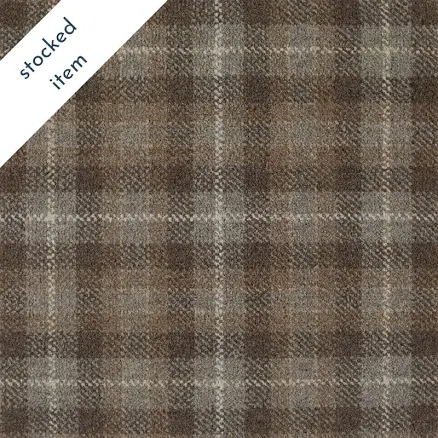
- wool plaid, Axminster weave
- We found no PFAS statement from the brand
- Formaldehyde / VOCs
4 hazards checked on this product, all on its full breakdown.
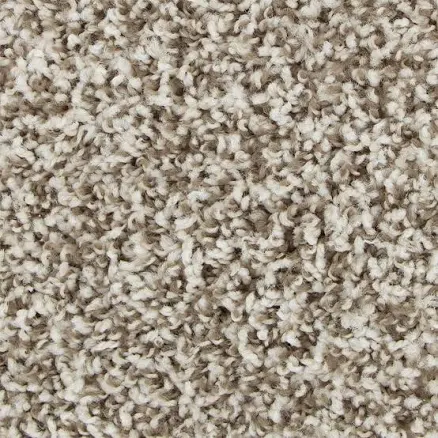
- polyester fiber, untreated
- We found no PFAS statement from the brand
- Formaldehyde / VOCs
4 hazards checked on this product, all on its full breakdown.
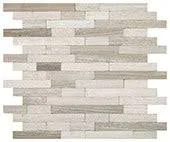
- Ceramic tile, porcelain, or stone composite
- We found no PFAS statement from the brand
- Volatile Organic Compounds (VOCs) from installation adhesives and grout
4 hazards checked on this product, all on its full breakdown.
More carpets & rugs grades
How we score, every product runs through the same public 0-100 rubric based on materials, coatings, brand disclosure, lab findings, and recalls. See the full methodology → Spotted a mistake? Report an error.