· Pizza Stones & Baking Surfaces
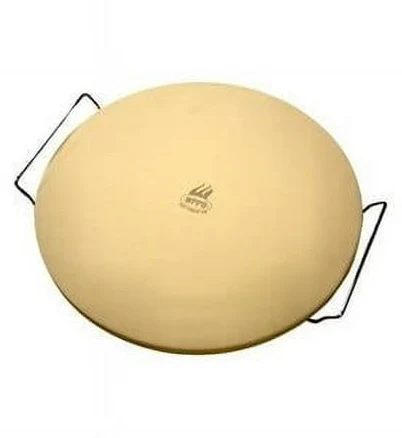
15 in. Pizza Stone with Metal Rack, Is It Non-Toxic?
Inert ceramic stone and bare metal carry no known Teflon-family coating coatings.
Cordierite is a porous ceramic mineral that requires no PFAS-based nonstick or water repellency treatments. The steel rack is uncoated, and neither material is linked to PFAS exposure.
The better-graded swap
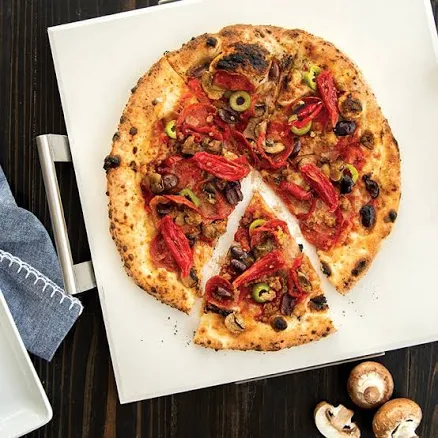
Deluxe Square Pizza Stone with Rack
90/100 safety
Same rubric that flunked this product. The swap earned Excellent.
Still want this one anyway? Check the price on Amazon. We’d swap it.
Material
Cordierite pizza stone; steel rack
Lab data
No public lab test
You may also be interested in
Top-graded picks in the categories readers replace first, every one scored on the same rubric.

- polypropylene filter housing, carbon/sediment cartridge
- We found no PFAS statement from the brand
- Bacterial growth in spent cartridges
3 hazards checked on this product, all on its full breakdown.

Aquasure
Premier Series 75 GPD Under Sink Reverse Osmosis Water Filtration System
- RO membrane, carbon filters, stainless steel housing
- We found no PFAS statement from the brand
- Bacterial and microbial growth in housing and filters
4 hazards checked on this product, all on its full breakdown.

Avocado
Vegan Mattress
- organic cotton, natural latex, coconut coir, recycled steel coils
- The brand calls it PFAS-free, which we have not verified
- Heavy metals
2 hazards checked on this product, all on its full breakdown.
Is 15 in. Pizza Stone with Metal Rack non-toxic? What it is made of
This product pairs a cordierite ceramic stone with a steel rack. Cordierite is a magnesium-aluminum silicate mineral valued for thermal shock resistance and low porosity, meaning it resists cracking and does not readily leach minerals into food. The bare steel rack adds structural support and conducts heat evenly. Neither material requires protective coatings that could degrade or offgas.
What’s concerning
Category baseline
The starting point for this type of product, before anything specific to this product is counted.
No PFAS disclosure
No public statement from the brand about PFAS in this product.
Thermal stress cracking
Cordierite is resistant to thermal shock but not immune. Rapid temperature changes or uneven heating can initiate cracks that worsen with repeated use and eventually cause stone failure.
Steel rack corrosion and rust
Bare steel without protective coating will oxidize over time, especially in humid environments or if exposed to water. Surface rust is cosmetic; advanced rust can weaken structural integrity and shed small particles.
What’s reassuring
Base material not linked to PFAS
The main material recorded for this product is not one associated with PFAS.
Heavy metals
Cordierite is a naturally occurring mineral; no published testing or recalls indicate lead, cadmium, or other heavy metal contamination in food-grade cordierite stones from established manufacturers including the brand.
Source, FDA ↗Porosity and food residue retention
Cordierite is low-porosity by design, minimizing bacterial or mold growth if the stone is kept dry. Proper drying between uses prevents degradation and microbial colonization.
Glaze or coating offgassing (if any applied)
This product is marketed as an unglazed, uncoated stone. No evidence of decorative glazes, non-stick coatings, or sealants that could offgas or degrade at pizza-baking temperatures (typically 450-500°F).
How is this PFAS grade calculated?
The brand's record and disclosure
The brand, a Brazilian kitchenware manufacturer owned by Groupe SEB, maintains minimal public disclosure on chemical safety and materials testing. No major recalls or documented safety controversies specific to this pizza stone model are on record. The brand does not advertise third-party certifications (NSF, FDA, or heavy metals testing) for this product line, relying instead on material composition as the safety foundation.
How it compares in its category
Cordierite stones are industry-standard for home pizza ovens and present lower concern than glazed ceramic or clay alternatives, which may contain lead or cadmium in decorative finishes. The brand's pricing is mid-market; comparable uncoated cordierite stones from other brands carry similar material profiles. The inclusion of a metal rack differentiates it from single-stone products and reduces the need for additional supports that could introduce new materials.
If you buy it
Preheat slowly to avoid thermal shock; do not subject the stone to sudden temperature swings (e.g., cold water on a hot surface). Inspect the steel rack periodically for rust or paint flaking; light surface oxidation is normal and does not affect safety, but deep rust should trigger replacement. Clean with a dry brush or soft cloth; avoid submerging the stone, which can weaken it over time. Replace if visible cracks develop, as these reduce heat distribution and can lead to breakage.
What is not known about PFAS in this product?
- Basis
- Model estimate, 78% confidence, not a lab result
- Lab test
- None on record for this exact product
- Brand statement
- has made a specific claim
Formulations change between production runs, so check the current label. How we grade.
What are the PFAS-free alternatives to 15 in. Pizza Stone with Metal Rack?
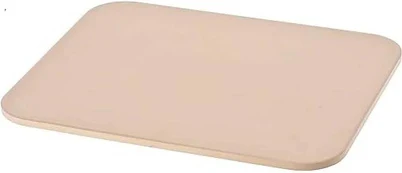
15-Inch Ceramic Pizza Stone for Perfect Crispy Crusts
- Ceramic (clay-based baking stone)
- The brand calls it PFAS-free, which we have not verified
- Glaze degradation and surface leaching
3 hazards checked on this product, all on its full breakdown.
Deluxe Square Pizza Stone with Rack
- ceramic or unglazed stone; no nonstick coating
- The brand calls it PFAS-free, which we have not verified
- Ceramic or stone cracking and fragmentation
2 hazards checked on this product, all on its full breakdown.
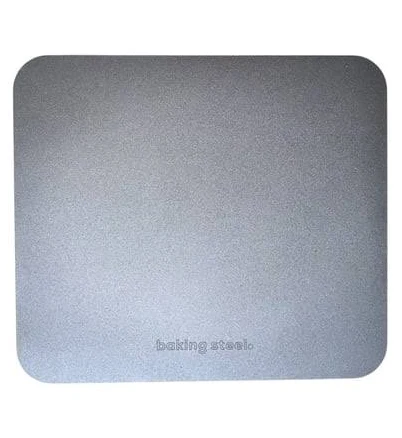
- carbon steel (bare metal, no coating)
- We found no PFAS statement from the brand
- Rust and corrosion
2 hazards checked on this product, all on its full breakdown.
Find an alternative on AmazonMore pizza stones & baking surfaces grades
How we score, every product runs through the same public 0-100 rubric based on materials, coatings, brand disclosure, lab findings, and recalls. See the full methodology → Spotted a mistake? Report an error.