Tramontina · Non-Stick Kitchen Gadgets
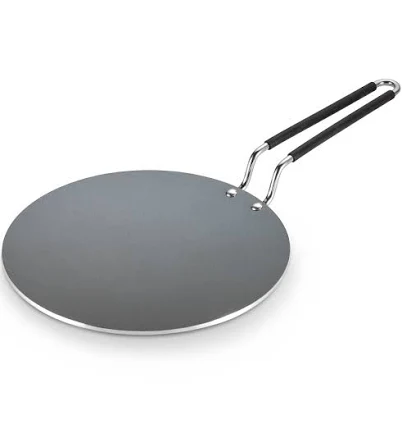
Tramontina Utsava 10.5 Inch Tri-Ply Clad Stainless Steel Ceramic Nonstick Concave
Ceramic nonstick typically offers lower PFAS risk than traditional Teflon-type coating.
This skillet uses ceramic nonstick instead of Teflon-type coating, typically avoiding perfluorinated compounds. Tramontina does not disclose what the ceramic formula is.
The better-graded swap
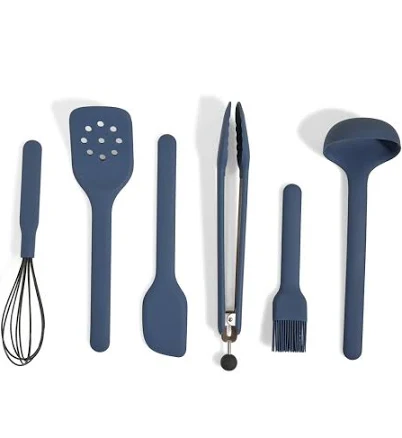
Our Place
Our Place Utensil Essentials Set
90/100 safety
Same rubric that flunked this product. The swap earned Excellent.
Still want this one anyway? Check the price on Amazon. We’d swap it.
Material
Ceramic nonstick coating over stainless steel tri-ply
Lab data
No public lab test
Is Tramontina Utsava 10.5 Inch Tri-Ply Clad non-toxic? What it is made of
This pan uses a ceramic nonstick coating bonded over a three-layer stainless steel base (stainless outer, aluminum middle, stainless inner). Ceramic coatings are inorganic polymers derived from sand and minerals, not synthetic fluorochemicals, so they do not rely on PFAS for nonstick performance. The tri-ply construction distributes heat evenly and reduces aluminum contact with food because aluminum is sandwiched between stainless steel layers. Ceramic coatings are inherently more brittle than Teflon-type coating, so handling and maintenance determine longevity.
What’s concerning
Category baseline
The starting point for this type of product, before anything specific to this product is counted.
No PFAS disclosure
No public statement from the brand about PFAS in this product.
Non-stick, chemistry undisclosed
Marketed as non-stick without stating the coating chemistry.
Ceramic coating degradation and chipping
Ceramic nonstick coatings are inherently more prone to chipping and peeling than Teflon-type coating coatings, especially with metal utensils or dishwasher use. Once the ceramic coating is compromised, the underlying stainless steel or aluminum becomes exposed.
Aluminum leaching from tri-ply core
The aluminum middle layer in tri-ply construction is protected by stainless steel cladding when intact. If the ceramic coating chips deeply or the stainless cladding is damaged, acidic foods (tomatoes, vinegar, citrus) could contact aluminum and cause minor leaching. No documented leaching from intact Tramontina ceramic pans is on record.
Heat-related coating breakdown (Teflon-type coating alternative risk)
While ceramic avoids Teflon-type coating fume risk, the coating itself can degrade chemically at temperatures above 400-500 degrees Fahrenheit, though exact specifications are not published by Tramontina. The manufacturer does not provide explicit temperature limits, so sustained high-heat cooking may accelerate coating breakdown.
Manufacturing process transparency
Tramontina does not disclose detailed information about ceramic coating composition, cross-linking agents, or quality control testing. The source and purity of mineral components in the coating are not publicly documented, though no safety incidents are on record.
What’s reassuring
Lead
Modern ceramic cookware coatings sold in North America are not typically glazed in the traditional pottery sense; they are applied as inorganic ceramic-type or powder coatings. No lead or cadmium contamination has been reported for Tramontina ceramic nonstick cookware. US importers must comply with FDA regulations, though third-party testing of this specific product is not available publicly.
Source, ATSDR ↗The full breakdown
The brand's record and disclosure
Tramontina is a Brazilian cookware manufacturer owned by Groupe SEB and sold widely through Amazon and retail chains. The company does not publish detailed safety certifications or PFAS disclosure statements on their website, which is typical for mid-tier brands but limits transparency. No recalls or safety violations specific to this ceramic nonstick line are documented in public databases. The brand has not faced major product safety scandals in the US market.
How it compares in its category
Ceramic nonstick cookware sits between traditional Teflon-type coating nonstick (lower cost, PFAS-dependent) and stainless steel bare cookware (no coating risk, requires oil/butter). Tramontina ceramic is priced lower than premium ceramic brands like GreenPan or Our Place, making it a budget-friendly option for consumers avoiding Teflon-type coating. The tri-ply construction gives it heat distribution advantages over single-layer ceramic cookware, though performance still lags professional-grade stainless steel.
If you buy it
Use wooden or silicone utensils only; metal utensils chip ceramic quickly, exposing base metal. Keep heat at medium or below; ceramic coatings degrade faster at high temperatures than Teflon-type coating, and the manufacturer does not specify a maximum temperature for use. Hand wash rather than dishwasher to extend coating life. Plan to replace the pan in 3-5 years if used regularly, as ceramic nonstick coatings are temporary and gradual loss of nonstick properties is normal.
What we don’t know
- Basis
- Model estimate, 62% confidence, not a lab result
- Lab test
- None on record for this exact product
- Brand statement
- Tramontina has made a specific claim
Formulations change between production runs, so check the current label. How we grade.
Better-graded alternatives in Non-Stick Kitchen Gadgets
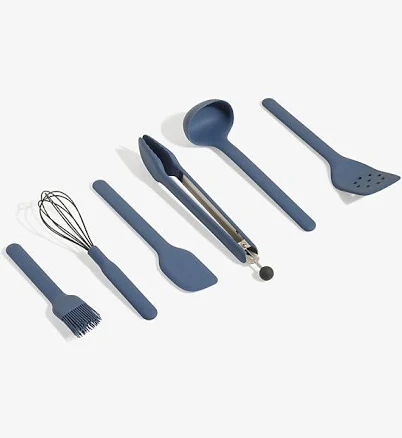
Our Place
Utensil Essentials 6-Piece Silicone Utensil Set
- Silicone utensils, no coating
- The brand calls it PFAS-free, which we have not verified
- Microplastic generation
2 hazards checked on this product. See all of them.

Our Place
Essential Utensil Set
- Stainless steel utensils
- The brand calls it PFAS-free, which we have not verified
- Nickel leaching from stainless steel
2 hazards checked on this product. See all of them.
Our Place
Utensil Essentials Set
- Stainless steel utensils, material unclear
- The brand calls it PFAS-free, which we have not verified
- Handle material degradation (if present)
2 hazards checked on this product. See all of them.
More non-stick kitchen gadgets grades
How we score, every product runs through the same public 0-100 rubric based on materials, coatings, brand disclosure, lab findings, and recalls. See the full methodology → Spotted a mistake? Report an error.