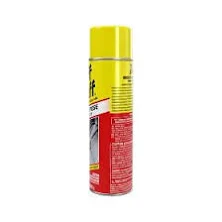
Tuff Stuff · Fabric Stain Guard Sprays
TUFF STUFF Multi Purpose Foam Cleaner
Foam cleaner; lower PFAS concern than treated textiles or coatings.
Tuff Stuff foam cleaners are water-based products without coatings or water-resistant treatments typical of PFAS use. Brand remains silent on PFAS and no independent verification exists.
We flunk more products than we pass. This one earned its grade. How we grade
Material
water-based foam cleaner, surfactants
Brand disclosure
Brand is silent on PFAS
Lab data
No public lab test
You may also be interested in
Top-graded picks in the categories readers replace first, every one scored on the same rubric.

Aqua Pure
3M Aqua-Pure AP802B Whole House Filter Housing
- polypropylene filter housing, carbon/sediment cartridge
- We found no PFAS statement from the brand
- Bacterial growth in spent cartridges
3 hazards checked on this product. See all of them.

Aquasure
Premier Series 75 GPD Under Sink Reverse Osmosis Water Filtration System
- RO membrane, carbon filters, stainless steel housing
- We found no PFAS statement from the brand
- Bacterial and microbial growth in housing and filters
4 hazards checked on this product. See all of them.

Avocado
Vegan Mattress
- organic cotton, natural latex, coconut coir, recycled steel coils
- The brand calls it PFAS-free, which we have not verified
- Heavy metals
2 hazards checked on this product. See all of them.
What TUFF STUFF Multi Purpose Foam Cleaner is made of, ingredients and materials
TUFF STUFF Multi Purpose Foam Cleaner is a water-based product, meaning its primary carrier is water rather than organic solvents, which reduces volatility and inhalation risk during application. The active ingredients are surfactants, detergent compounds that break down oils and dirt by lowering surface tension. Water-based formulations of this type do not require Teflon-type coating or silicone coatings to work, eliminating fume hazards associated with heat-applied fabric treatments. Typical concerns with fabric sprays, coating degradation, off-gassing of volatile organics, are lower in aqueous systems than in solvent-based alternatives.
What’s concerning
Category baseline
The starting point for this type of product, before anything specific to this product is counted.
No PFAS disclosure
No public statement from the brand about PFAS in this product.
Surfactant skin and respiratory irritation
Water-based foam cleaners rely on surfactants as active ingredients. Direct spray inhalation or concentrated contact with eyes or skin can cause mild to moderate irritation; risk is mitigated by normal use with ventilation and dilution on fabric.
Fiber degradation or discoloration from prolonged or repeated application
Any surfactant-based treatment applied repeatedly to textiles can accumulate residue or gradually weaken fibers, particularly in delicate fabrics. Manufacturer guidance on reapplication frequency and fabric compatibility should be followed to minimize wear.
What’s reassuring
Base material not linked to PFAS
The main material recorded for this product is not one associated with PFAS.
1,4-dioxane (contaminant in ethoxylated surfactants)
No documented presence of 1,4-dioxane in TUFF STUFF foam cleaner formulation. Risk exists as a manufacturing byproduct in some ethoxylated surfactants, but absent label or testing confirmation, no specific concern is established for this product.
Formaldehyde / VOCs
Water-based cleaners do not typically require formaldehyde releasers as antimicrobial agents; no evidence on record of this compound in TUFF STUFF formulation.
Source, ATSDR ↗Heavy metals
Foam cleaners do not contain pigments or decorative minerals. No lead, cadmium, or antimony is expected in a surfactant-based aqueous spray; no recalls or findings on record.
Source, FDA ↗The full breakdown
The brand's record and disclosure
Public disclosure on Tuff Stuff's PFAS stance is limited; the brand has not published a dedicated PFAS elimination policy or third-party testing results on this product. No recalls, safety alerts, or regulatory findings specific to this cleaner are on record. The manufacturer does not list full ingredient transparency on typical product labels, which is standard for consumer cleaners but limits independent verification of surfactant type and any adjuvants used. Absence of controversy does not confirm safety; it reflects available public information.
How it compares in its category
Foam cleaners in the fabric stain guard segment range from water-based to silicone-based and solvent-enhanced formulas. Water-based options like this one generally carry lower concern for volatile organic off-gassing and acute respiratory irritation compared to spray-applied coatings with organic carriers or silicones. However, surfactant composition, whether plant-derived, petroleum-derived, or synthetic, is rarely disclosed on consumer labels, making category-wide comparison difficult. This product sits in the lower-concern end of the spectrum for inhalation and coating-related hazards, though efficacy claims (stain guard durability) are not verified by independent testing.
If you buy it
Apply in a well-ventilated space and avoid direct inhalation of mist; water-based products are less acutely hazardous than solvent sprays, but surfactants can irritate eyes and respiratory membranes at high concentration. Test on a hidden area of the fabric first to rule out discoloration or texture change, particularly on delicate or dyed textiles. Do not apply to skin or near food; rinse hands thoroughly after use. Store in a cool, dry place away from children and pets, and follow the product label instructions for frequency of reapplication, as over-treatment may degrade fibers over time.
What we don’t know
- Basis
- Model estimate, 72% confidence, not a lab result
- Lab test
- None on record for this exact product
- Brand statement
- Tuff Stuff has made none
Formulations change between production runs, so check the current label. How we grade.
More fabric stain guard sprays grades
How we score, every product runs through the same public 0-100 rubric based on materials, coatings, brand disclosure, lab findings, and recalls. See the full methodology → Spotted a mistake? Report an error.