Turtle Wax · Fabric Stain Guard Sprays
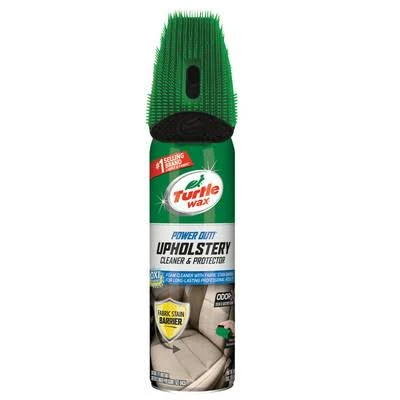
Turtle Wax Upholstery Cleaner 18 Oz.
Liquid cleaner carries lower PFAS concern; brand silent on ingredients.
Liquid cleaner using surfactants rather than a protective coating. Brand has not released public PFAS disclosures.
We flunk more products than we pass. This one earned its grade. How we grade
Material
aqueous cleaning solution, surfactants
Brand disclosure
Brand is silent on PFAS
Lab data
No public lab test
You may also be interested in
Top-graded picks in the categories readers replace first, every one scored on the same rubric.

Aqua Pure
3M Aqua-Pure AP802B Whole House Filter Housing
- polypropylene filter housing, carbon/sediment cartridge
- We found no PFAS statement from the brand
- Bacterial growth in spent cartridges
3 hazards checked on this product. See all of them.

Aquasure
Premier Series 75 GPD Under Sink Reverse Osmosis Water Filtration System
- RO membrane, carbon filters, stainless steel housing
- We found no PFAS statement from the brand
- Bacterial and microbial growth in housing and filters
4 hazards checked on this product. See all of them.

Avocado
Vegan Mattress
- organic cotton, natural latex, coconut coir, recycled steel coils
- The brand calls it PFAS-free, which we have not verified
- Heavy metals
2 hazards checked on this product. See all of them.
What Turtle Wax Upholstery Cleaner 18 Oz. is made of, ingredients and materials
Turtle Wax Upholstery Cleaner is a water-based surfactant solution formulated to lift dirt and stains from fabric without requiring solvent extraction. The aqueous base means no volatile organic compound (VOC) off-gassing typical of solvent-based cleaners, significantly reducing respiratory irritation risk during and after use. Surfactants (detergent compounds) do the actual cleaning work by breaking down oils and particulates; the specific surfactant blend is proprietary but standard for consumer-grade upholstery products.
What’s concerning
Category baseline
The starting point for this type of product, before anything specific to this product is counted.
No PFAS disclosure
No public statement from the brand about PFAS in this product.
Surfactant irritation (skin/eyes/respiratory)
Anionic or nonionic surfactants in water-based cleaners can irritate mucous membranes and skin with prolonged contact; no specific irritation incidents reported for this product, but is inherent to the product class.
Fragrance allergens (if present)
Consumer upholstery cleaners often include fragrances to mask chemical odor; undisclosed fragrance components may trigger contact dermatitis or respiratory sensitivity in susceptible users. Turtle Wax does not specify fragrance ingredients.
Residual moisture and mold/mildew promotion
Overuse or insufficient drying can trap water in fabric and cushioning, creating conditions for microbial growth; this is a usage hazard rather than a toxicity hazard, but relevant to health.
What’s reassuring
Base material not linked to PFAS
The main material recorded for this product is not one associated with PFAS.
Ingestion risk (accidental, low acute toxicity)
Aqueous surfactant solutions are low in acute oral toxicity; no poisoning cases linked to this product are documented, but solution should not be consumed intentionally.
Heavy metals
No testing or recalls indicate cadmium, lead, or other heavy metals in this upholstery cleaner; water-based cleaners generally carry lower contamination risk than some aerosols or solvent-based alternatives.
Source, FDA ↗The full breakdown
The brand's record and disclosure
Turtle Wax does not publicly disclose full ingredient lists or PFAS content on this product, and the brand has made no public commitment to PFAS phase-out or third-party testing. However, no recalls, regulatory actions, or established health controversies linked to this specific upholstery cleaner are on record. The brand's general stance on chemical safety remains opaque, which is typical but concerning for consumer transparency advocates.
How it compares in its category
Among mainstream upholstery cleaners, water-based formulas like this have lower inhalation risk compared to aerosol or solvent-based alternatives, which carry higher VOC levels. Turtle Wax's product sits in the middle tier of disclosure and ingredient transparency; eco-certified or fully transparent brands (like some plant-based alternatives) disclose more, while cheap aerosol options disclose far less. For a national brand product, the safety profile is broadly conventional with no major red flags versus competitors.
If you buy it
Apply in well-ventilated areas to minimize any residual VOC inhalation; test on a hidden fabric area first to check for dye bleeding or water spotting. Do not saturate upholstery as excess moisture can promote mold or mildew growth in cushioning; use sparingly and allow 2-4 hours drying time before sitting. Keep the bottle sealed and away from children and pets; if accidentally ingested in small quantities, the aqueous surfactant base poses low acute toxicity, but contact poison control for reassurance.
What we don’t know
- Basis
- Model estimate, 72% confidence, not a lab result
- Lab test
- None on record for this exact product
- Brand statement
- Turtle Wax has made none
Formulations change between production runs, so check the current label. How we grade.
More fabric stain guard sprays grades
How we score, every product runs through the same public 0-100 rubric based on materials, coatings, brand disclosure, lab findings, and recalls. See the full methodology → Spotted a mistake? Report an error.