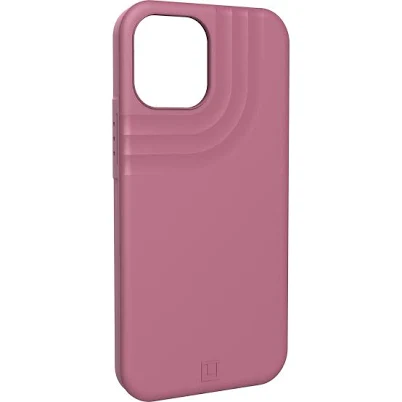
Urban Armor Gear · Waterproof Phone Cases
UAG Anchor Series Hardshell Case for Apple iPhone 12 Pro Max
No coating described, and no PFAS statement from the brand.
The product information we reviewed describes polycarbonate hardshell, with no water-repellent coating named. Water resistance on products like this usually comes from the material and its seals rather than a surface treatment. The brand has published no PFAS statement for it.
We flunk more products than we pass. This one earned its grade. How we grade
Material
Polycarbonate hardshell
Brand disclosure
Brand is silent on PFAS
Lab data
No public lab test
What UAG Anchor Series Hardshell Case is made of, ingredients and materials
The UAG Anchor Series uses injection-molded polycarbonate, a rigid thermoplastic polymer chosen for impact resistance and durability in phone cases. Polycarbonate does not require surface coatings to achieve water resistance; the material's inherent density and the case's sealed design (achieved through gaskets and tight tolerances, not chemical treatments) provide the waterproof rating. Unlike softer rubbers or thermoplastic polyurethane (TPU), polycarbonate is chemically stable at normal use temperatures and does not typically leach plasticizers or other additives into skin or food contact.
What’s concerning
Category baseline
The starting point for this type of product, before anything specific to this product is counted.
No PFAS disclosure
No public statement from the brand about PFAS in this product.
BPA & bisphenols
Polycarbonate is synthesized from bisphenol A and does not leach appreciable BPA under normal use conditions (phones do not generate heat or contact acidic/alkaline solutions that trigger leaching). Risk is negligible during the life of the product.
Source, FDA ↗Gasket and adhesive off-gassing or leaching
The seals use elastomers (rubber compounds) and possibly urethane adhesives; no specific off-gassing or skin-contact toxicity has been reported for UAG cases, but these materials can release volatiles if exposed to sustained heat or solvents. Normal use carries minimal risk.
Seal integrity loss and water ingress
Waterproof phone cases depend entirely on mechanical seals; consumer reports and reviews note that gaskets can deteriorate, loosen, or fail to seat properly over time, leading to water damage. This is a use-maintenance issue, not a material toxicity hazard, but relevant to product function without known hazards of this kind on record.
What’s reassuring
Base material not linked to PFAS
The main material recorded for this product is not one associated with PFAS.
Microplastic shedding from case material
Polycarbonate hardshells are rigid and do not shed microparticles through normal abrasion. Damage or cracking could theoretically produce fragments, but these would be visible and the case would have failed its primary function.
Heavy metals
UAG Anchor cases are typically molded in neutral or dark colors; no reports of cadmium, lead, or other heavy metal contamination in the polycarbonate resin or colorants exist for this product line.
Source, FDA ↗The full breakdown
The brand's record and disclosure
Urban Armor Gear is established in the rugged case market and has not faced major product safety recalls tied to leaching, off-gassing, or hazardous additives. The brand does not publicly disclose material sourcing, manufacturing certifications (such as ISO or third-party polymer testing), or any commitment to restricted substance lists. Absence of controversy does not equal transparency; UAG's silence on material provenance is typical for the consumer electronics accessory sector but leaves independent verification limited to material class alone.
How it compares in its category
Polycarbonate hardshell cases like the Anchor Series occupy the middle ground, they offer better water sealing and durability than TPU-only cases but are less absorptive and less likely to leach than softer rubber compounds. Most major phone case brands (OtterBox, Spigen, Apple's own cases) use polycarbonate or polycarbonate-TPU hybrids with similar hazard profiles. The hardshell design avoids the volatile organic compound (VOC) off-gassing risk that thicker foam-filled cases sometimes present if TPU backing is used.
If you buy it
Polycarbonate is stable under normal phone use (typically under 40 degrees Celsius). Avoid prolonged exposure to direct sunlight or heat, as extended UV exposure can make polycarbonate brittle over years. Clean with mild soap and water; alcohol-based cleaners and harsh solvents are not necessary and may degrade any adhesive or gasket materials. Inspect seals and gaskets annually, especially if the case sees frequent submersion; replace the case if visible cracks, clouding, or seal degradation appear, as these compromise both water protection and structural integrity.
What we don’t know
- Basis
- Model estimate, 35% confidence, not a lab result
- Lab test
- None on record for this exact product
- Brand statement
- Urban Armor Gear has made none
Formulations change between production runs, so check the current label. How we grade.
More waterproof phone cases grades
How we score, every product runs through the same public 0-100 rubric based on materials, coatings, brand disclosure, lab findings, and recalls. See the full methodology → Spotted a mistake? Report an error.