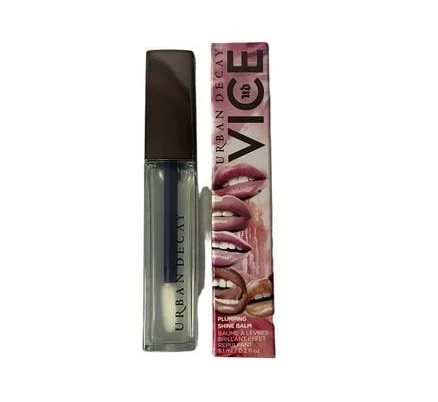
Urban Decay · Lip Balm & Long-Wear Lipstick
Urban Decay Vice Plumping Shine Balm Coconut Water
Low concern. Standard lip balm lacks known PFAS triggers, but disclosure missing.
This wax and emollient lip balm with coconut water lacks water-repellent or non-stick coatings typically containing PFAS. Urban Decay has not disclosed PFAS testing or avoidance.
We flunk more products than we pass. This one earned its grade. How we grade
Material
wax blend, oils, emollients (typical lip balm)
Brand disclosure
Brand is silent on PFAS
Lab data
No public lab test
You may also be interested in
Top-graded picks in the categories readers replace first, every one scored on the same rubric.

- polypropylene filter housing, carbon/sediment cartridge
- We found no PFAS statement from the brand
- Bacterial growth in spent cartridges
3 hazards checked on this product, all on its full breakdown.

Aquasure
Premier Series 75 GPD Under Sink Reverse Osmosis Water Filtration System
- RO membrane, carbon filters, stainless steel housing
- We found no PFAS statement from the brand
- Bacterial and microbial growth in housing and filters
4 hazards checked on this product, all on its full breakdown.

Avocado
Vegan Mattress
- organic cotton, natural latex, coconut coir, recycled steel coils
- The brand calls it PFAS-free, which we have not verified
- Heavy metals
2 hazards checked on this product, all on its full breakdown.
What Urban Decay Vice Plumping Coconut Water is made of, ingredients and materials
Urban Decay Vice Plumping Shine Balm uses a wax-oil-emollient base typical of modern lip balms, likely including beeswax or synthetic wax, plant oils (coconut water suggests aqueous content for plumping), and glossy polymers. This material class avoids hard ceramic or metal surfaces that concentrate lead or cadmium, and the wax matrix is chemically stable at room temperature and typical lip use. No heating or high-temperature application is involved, eliminating fume risk associated with coated cookware. The formula is designed for direct oral contact, so ingredient safety standards are more stringent than decorative cosmetics.
What’s concerning
Category baseline
The starting point for this type of product, before anything specific to this product is counted.
No PFAS disclosure
No public statement from the brand about PFAS in this product.
Fragrance allergens (undisclosed components)
Urban Decay does not itemize fragrance ingredients on product labels, per industry standard. Coconut water and plumping agents (e.g., menthol, cinnamic derivatives) are common sensitizers; individuals with fragrance sensitivity should patch-test first.
Bacterial or fungal growth in product barrel
Wax-oil lip balms are less prone to microbial colonization than water-rich formulas, but poor storage (heat, humidity, shared applicators) can degrade preservative efficacy over months. Standard consumer practice (individual use, cool storage) mitigates this risk.
Oil oxidation and rancidity on aging
Coconut and plant oil base may oxidize if exposed to light or heat, producing peroxide byproducts that irritate sensitive lips. Shelf life is typically 18-24 months unopened; opened product should be replaced within 6-12 months depending on storage conditions.
What’s reassuring
Base material not linked to PFAS
The main material recorded for this product is not one associated with PFAS.
1,4-dioxane (residual solvent in polymeric glossers)
No recalls or reports of 1,4-dioxane in Vice balms. Modern cosmetic manufacturing uses closed-loop processes to minimize dioxane, and lip balms are lower-risk category than emulsified foundations; no testing data is publicly available to assess presence or absence.
Heavy metals
Urban Decay Vice range uses approved FD&C and D&C colorants, subject to FDA limits on lead, cadmium, and arsenic. No regulatory violations or recalls are on record. Lip balm contact time is brief compared to long-wear cosmetics, minimizing ingestion risk.
Source, FDA ↗How is this PFAS grade calculated?
The brand's record and disclosure
Urban Decay (owned by L'Oreal) does not publicly disclose PFAS absence testing or ingredient sourcing transparency for this specific product line. The brand holds no known major safety recalls for Vice Plumbing Shine Balm, and no regulatory warnings are on file. L'Oreal parent company has faced scrutiny over fragrance opacity and synthetic ingredient disclosure but does comply with FDA cosmetic ingredient restrictions. No certifications (e.g., Clean Beauty, EWG verification) are claimed for this product, reflecting standard industry practice for prestige brands.
How it compares in its category
Vice Plumping Shine Balm sits in the mid-to-premium glossy lip balm segment, where wax-oil blends are standard and present lower ingestion concern than liquid glosses. Compared to budget brands, Urban Decay benefits from parent-company ingredient screening. Compared to indie clean beauty alternatives (e.g., Burt's Bees, Honest Beauty), it lacks third-party testing disclosure but poses no known higher risk. The coconut water mention is marketing language; actual aqueous content is minimal in balm formulas and does not alter safety profile.
If you buy it
Apply sparingly and replace every 6-12 months to minimize bacterial growth in the barrel if stored in warm or humid conditions. Do not share applicators to prevent microbial cross-contamination. If you experience lip irritation, discontinue and patch-test on inner arm; fragrance allergens in glosses are common. Store in a cool, dry place away from direct sunlight to prevent oil oxidation and rancidity, which can trigger mild irritation on sensitive lips.
What is not known about PFAS in this product?
- Basis
- Model estimate, 72% confidence, not a lab result
- Lab test
- None on record for this exact product
- Brand statement
- Urban Decay has made none
Formulations change between production runs, so check the current label. How we grade.
More lip balm & long-wear lipstick grades
How we score, every product runs through the same public 0-100 rubric based on materials, coatings, brand disclosure, lab findings, and recalls. See the full methodology → Spotted a mistake? Report an error.