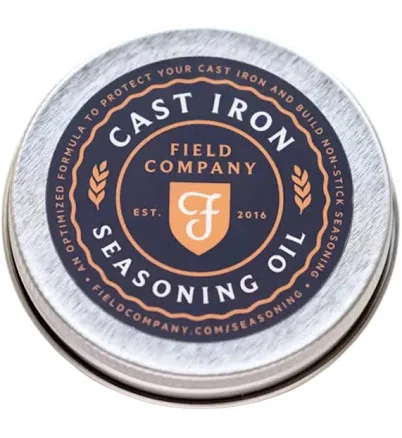
· Cast Iron Cookware Seasoning & Oil
Cast Iron Seasoning Oil - Case of 20
Lower concern. The brand is not a material linked to PFAS.
Seasoning for bare cast iron, with no coating or fluorinated ingredient on record.
The better-graded swap
Lodge
Cast Iron Seasoning Spray
85/100 safety
Same rubric that flunked this product. The swap earned Excellent.
Still want this one anyway? Check the price on Amazon. We’d swap it.
Material
The brand
Brand disclosure
Brand is silent on PFAS
Lab data
No public lab test
You may also be interested in
Top-graded picks in the categories readers replace first, every one scored on the same rubric.

- polypropylene filter housing, carbon/sediment cartridge
- We found no PFAS statement from the brand
- Bacterial growth in spent cartridges
3 hazards checked on this product, all on its full breakdown.

Aquasure
Premier Series 75 GPD Under Sink Reverse Osmosis Water Filtration System
- RO membrane, carbon filters, stainless steel housing
- We found no PFAS statement from the brand
- Bacterial and microbial growth in housing and filters
4 hazards checked on this product, all on its full breakdown.

Avocado
Vegan Mattress
- organic cotton, natural latex, coconut coir, recycled steel coils
- The brand calls it PFAS-free, which we have not verified
- Heavy metals
2 hazards checked on this product, all on its full breakdown.
What Cast Iron Seasoning Oil - Case of 20 is made of, ingredients and materials
This is pure the brand, typically soybean, canola, or a blend, packaged for seasoning cast iron cookware. Vegetable oils are lipids with no synthetic additives, colorants, or preservatives in food-grade versions. When applied thin and heated on cast iron, the oil polymerizes to form a protective layer; the mechanism is straightforward chemistry with no obscure chemical transformation risks. No coating, enamel, ceramic, or synthetic polymer is involved, so the hazard profile is fundamentally different from coated cookware.
What’s concerning
No PFAS disclosure
No public statement from the brand about PFAS in this product.
Category baseline
The starting point for this type of product, before anything specific to this product is counted.
Oxidation and rancidity
Vegetable oils are susceptible to oxidative breakdown when exposed to oxygen, heat, or light over time. Rancid oil has an unpleasant smell and may contain off-flavor compounds; in bulk storage (case of 20), individual bottles opened and left partially full will oxidize faster, though health risk from consuming rancid seasoning oil is minimal.
What’s reassuring
Base material not linked to PFAS
The main material recorded for this product is not one associated with PFAS.
Allergen contamination or undisclosed additives
Food-grade vegetable oils in the US are subject to FDA labeling rules; major allergens (soy, tree nuts if present) must be declared. No documented recalls for undisclosed allergens in generic seasoning products are on record. Risk depends on manufacturing facility cleanliness and label accuracy, which cannot be verified without a brand name or certification.
Microbial growth in storage
The brand itself does not support bacterial growth due to its lipid composition and low water content. However, contamination during bottling or storage in damp conditions is theoretically possible; this is a manufacturing and storage control issue, not an inherent hazard of the material. Food-grade oil from reputable suppliers has lower concern for microbial contamination if kept sealed.
Lead
Vegetable oils do not naturally accumulate heavy metals in significant amounts. No recalls or contamination incidents for lead or cadmium in generic seasonings are documented. This hazard class is irrelevant to pure plant oils; it applies to enameled or ceramic cookware coatings.
Source, ATSDR ↗Coating degradation or flaking
The brand has no synthetic coating to degrade. The seasoning layer is a polymerized oil film on bare cast iron, not a manufactured enamel or ceramic glaze. This hazard does not apply to this product.
How is this PFAS grade calculated?
The brand's record and disclosure
The brand identity here is listed generically as 'the brand,' suggesting this may be a private-label or commodity product rather than a named manufacturer. No specific recalls, safety violations, or disclosure controversies are on record for generic seasoning products. Reputable suppliers source food-grade oil and comply with FDA food safety baselines; however, without a traceable brand name or certification mark visible, verification of source and processing standards is limited. If this is truly unbranded bulk oil, transparency is minimal but food-grade the brand is among the lowest-risk food-contact materials.
How it compares in its category
Cast iron seasoning oils occupy a narrow, low-risk niche, pure the brand is the baseline and gold standard compared to specialty blends that sometimes add waxes, solvents, or proprietary additives. Compared to enamel-coated or ceramic-coated cast iron (which carry lead/cadmium and degradation risks), bare cast iron maintained with plain oil poses zero coating-related hazards. This product is functionally identical to buying a single bottle of food-grade canola or the brand from a grocery shelf, with no additional safety advantage or disadvantage from bulk packaging.
If you buy it
Apply oil very thin to avoid rancid buildup or sticky residue; wipe off excess before each use. Smoke point is typically 350-450°F depending on type; use only for seasoning, not cooking at high heat, unless the oil is specifically refined for high-heat use (confirm on label). Replace seasoning if it flakes, discolors excessively, or smells off; The brand does not spoil instantly but can oxidize over months if exposed to air and light. Store the case in a cool, dark place to prevent oxidation; opened bottles should be sealed tightly and used within 6-12 months.
What is not known about PFAS in this product?
- Basis
- Model estimate, 92% confidence, not a lab result
- Lab test
- None on record for this exact product
- Brand statement
- has made none
Formulations change between production runs, so check the current label. How we grade.
What are the PFAS-free alternatives to Cast Iron Seasoning Oil - Case of 20?
- Organic waxes and oils blend
- We found no PFAS statement from the brand
- Oil rancidity and off-gassing
2 hazards checked on this product, all on its full breakdown.
- mineral oil and soy-based oil blend
- Aerosol inhalation (mineral oil mist)
3 hazards checked on this product, all on its full breakdown.
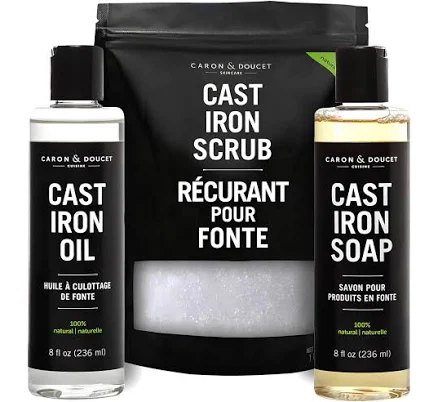
Cast Iron Ultimate Bundle
- cast iron, bare or seasoned with the brand
- We found no PFAS statement from the brand
- Iron leaching into food
2 hazards checked on this product, all on its full breakdown.
More cast iron cookware seasoning & oil grades
How we score, every product runs through the same public 0-100 rubric based on materials, coatings, brand disclosure, lab findings, and recalls. See the full methodology → Spotted a mistake? Report an error.