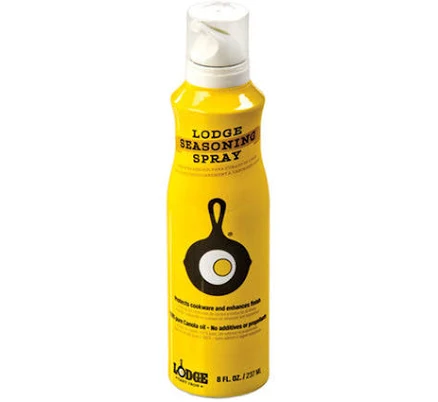
Lodge · Cast Iron Cookware Seasoning & Oil
Lodge Canola Oil Seasoning Spray 8 fl oz
Lower concern; pure cooking oil, not a cookware product.
This is liquid canola oil, not cookware, and vegetable oils do not contain PFAS. The product doesn't pose PFAS risk despite miscategorization.
The better-graded swap
Lodge
Cast Iron Seasoning Spray
85/100 safety
Same rubric that flunked this product. The swap earned Excellent.
Still want this one anyway? Check the price on Amazon. We’d swap it.
Material
Canola oil (liquid vegetable oil)
Lab data
No public lab test
You may also be interested in
Top-graded picks in the categories readers replace first, every one scored on the same rubric.

- polypropylene filter housing, carbon/sediment cartridge
- We found no PFAS statement from the brand
- Bacterial growth in spent cartridges
3 hazards checked on this product, all on its full breakdown.

Aquasure
Premier Series 75 GPD Under Sink Reverse Osmosis Water Filtration System
- RO membrane, carbon filters, stainless steel housing
- We found no PFAS statement from the brand
- Bacterial and microbial growth in housing and filters
4 hazards checked on this product, all on its full breakdown.

Avocado
Vegan Mattress
- organic cotton, natural latex, coconut coir, recycled steel coils
- The brand calls it PFAS-free, which we have not verified
- Heavy metals
2 hazards checked on this product, all on its full breakdown.
What Lodge Canola Oil Seasoning Spray 8 fl oz is made of, ingredients and materials
This is canola oil, a refined vegetable oil extracted from rapeseed, delivered in a pressurized spray bottle. Canola oil is a liquid at room temperature and contains no ceramic, metal, or polymer coatings that shed into food. The only material interface is the spray mechanism (typically plastic or metal valve) and propellant, neither of which typically contaminates the oil itself in normal use.
What’s concerning
No PFAS disclosure
No public statement from the brand about PFAS in this product.
Category baseline
The starting point for this type of product, before anything specific to this product is counted.
Oxidation and rancidity (food quality, not safety per se)
Canola oil oxidizes when exposed to heat, light, or air. Rancid oil tastes bad and may contain free radicals; it is not acutely toxic but indicates the product is past peak quality. Spray bottle design exposes oil to air with each use, accelerating oxidation slightly versus bulk oil.
Inhalation risk from spray propellant
Repeated close inhalation of spray aerosolized oil particles or propellant gas (especially in poorly ventilated kitchens) may irritate airways in sensitive individuals. This is a use-pattern concern, not a product defect, spray in well-ventilated spaces and avoid prolonged inhalation.
What’s reassuring
Base material not linked to PFAS
The main material recorded for this product is not one associated with PFAS.
Spray valve/propellant residue
No documented contamination from Lodge canola spray propellants or valve materials. If propellant is food-grade nitrogen or butane, residual exposure is minimal and within food additive thresholds. Plastic or rubber valve components do not leach into liquid oil under normal storage.
Allergen cross-contamination in processing
Canola oil itself is not a major allergen. However, if the product is processed in a facility handling tree nuts, peanuts, or sesame, unlabeled cross-contact is possible. Check the label for allergen statements or facility warnings; Lodge does not appear to have publicized shared manufacturing with high-allergen products.
Heavy metals
Refined canola oil is further purified and does not typically retain herbicides or heavy metals from the rapeseed crop at detectable levels. No recalls or test failures for Lodge canola spray are on record. Organic certification would add assurance but is not standard for this product line.
Source, FDA ↗How is this PFAS grade calculated?
The brand's record and disclosure
Lodge is a long-established US cast-iron cookware manufacturer. This product line is a minor extension into cooking oils and does not carry published safety certifications or third-party testing records specific to the spray formulation. No recalls or contamination incidents are on record for Lodge oil products. The brand does not publicly disclose PFAS testing for this item, consistent with industry silence on edible oil PFAS status.
How it compares in its category
Canola oil sprays have lower concern than coated non-stick surfaces because they are pure liquid oil, not surfaces prone to wear. Alternatives such as aerosol cooking sprays (e.g., PAM) may use lecithin emulsifiers and propellants; bulk canola oil avoids propellant exposure altogether. This spray format trades convenience for a small plastic/metal valve interface that poses negligible leaching risk under normal conditions.
If you buy it
Store upright in a cool, dark cupboard away from heat and light to slow oxidation and rancidity. Canola oil's smoke point is approximately 400F (204C), so it is suitable for sauteing and low-oven cooking but not high-heat frying or broiler use. Replace if the oil smells stale or rancid. Inspect the spray valve for corrosion or leaks; if the nozzle degrades, decant the oil into a glass container rather than risk plastic particle ingestion.
What is not known about PFAS in this product?
- Basis
- Model estimate, 92% confidence, not a lab result
- Lab test
- None on record for this exact product
- Brand statement
- Lodge has made a specific claim
Formulations change between production runs, so check the current label. How we grade.
What are the PFAS-free alternatives to Lodge Canola Oil Seasoning Spray 8 fl oz?
- Organic waxes and oils blend
- We found no PFAS statement from the brand
- Oil rancidity and off-gassing
2 hazards checked on this product, all on its full breakdown.
- mineral oil and soy-based oil blend
- Aerosol inhalation (mineral oil mist)
3 hazards checked on this product, all on its full breakdown.
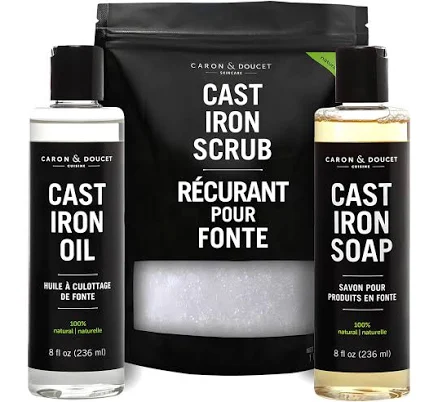
Cast Iron Ultimate Bundle
- cast iron, bare or seasoned with the brand
- We found no PFAS statement from the brand
- Iron leaching into food
2 hazards checked on this product, all on its full breakdown.
More cast iron cookware seasoning & oil grades
How we score, every product runs through the same public 0-100 rubric based on materials, coatings, brand disclosure, lab findings, and recalls. See the full methodology → Spotted a mistake? Report an error.