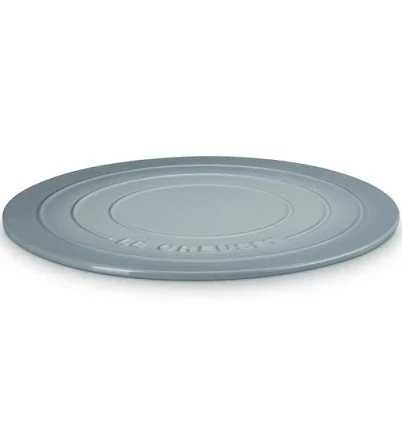
Le Creuset · Pizza Stones & Baking Surfaces
Le Creuset 15" Round Pizza Stone, Is It Non-Toxic?
Lower concern. Uncoated ceramic pizza stone unlikely to contain PFAS.
Le Creuset pizza stones are fired ceramic stoneware with no non-stick coating or water-repellent treatment. No PFAS-related concerns expected from the material itself.
The better-graded swap
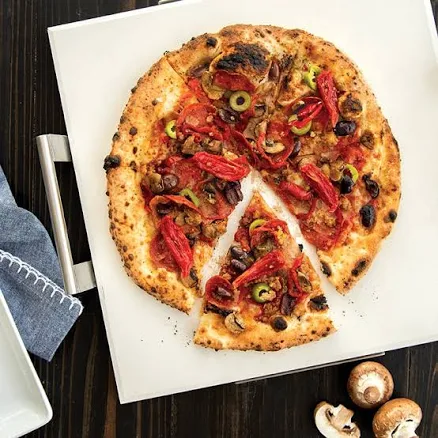
Deluxe Square Pizza Stone with Rack
90/100 safety
Same rubric that flunked this product. The swap earned Excellent.
Still want this one anyway? Check the price on Amazon. We’d swap it.
Material
Ceramic stoneware, uncoated fired clay
Lab data
No public lab test
You may also be interested in
Top-graded picks in the categories readers replace first, every one scored on the same rubric.

- polypropylene filter housing, carbon/sediment cartridge
- We found no PFAS statement from the brand
- Bacterial growth in spent cartridges
3 hazards checked on this product, all on its full breakdown.

Aquasure
Premier Series 75 GPD Under Sink Reverse Osmosis Water Filtration System
- RO membrane, carbon filters, stainless steel housing
- We found no PFAS statement from the brand
- Bacterial and microbial growth in housing and filters
4 hazards checked on this product, all on its full breakdown.

Avocado
Vegan Mattress
- organic cotton, natural latex, coconut coir, recycled steel coils
- The brand calls it PFAS-free, which we have not verified
- Heavy metals
2 hazards checked on this product, all on its full breakdown.
Is Le Creuset 15" Round Pizza Stone non-toxic? What it is made of
Le Creuset pizza stones are fired ceramic stoneware, a naturally porous clay product with no synthetic coating or glaze on the cooking surface. This unfired-surface design eliminates risks from coating degradation, lead leaching from glazes, or Teflon-type coating fume release that affect some coated cookware. The material is durable at high oven temperatures (typically to 500F+) because ceramic is inert once fired and does not off-gas under normal baking use.
What’s concerning
Category baseline
The starting point for this type of product, before anything specific to this product is counted.
No PFAS disclosure
No public statement from the brand about PFAS in this product.
Thermal shock cracking (structural failure)
Uncoated ceramic is inherently brittle and vulnerable to rapid temperature swings. Risk is user-behavior dependent, not a manufacturing defect, but sharp thermal shock (e.g., cold water on hot stone) can cause fracture that creates a safety hazard (sharp edges, stone collapse during baking).
What’s reassuring
Base material not linked to PFAS
The main material recorded for this product is not one associated with PFAS.
Lead
Le Creuset pizza stones are unglazed on the cooking surface by design. This product avoids the glaze-leaching risk that applies to decorated or fully glazed ceramic cookware. No recalls or testing reports of lead contamination in this product line are on record.
Source, ATSDR ↗Aluminum leaching (if substrate present)
This is a fired ceramic stone with no metal substrate. Aluminum leaching hazard does not apply to this product type.
Microplastic or ceramic dust shedding
Properly maintained uncoated ceramic cookware does not shed microplastics or problematic ceramic dust into food under normal use. Abrasion or impact cracking could theoretically produce small ceramic fragments, but this is a misuse or wear scenario, not an inherent product hazard.
Coating degradation or off-gassing
No coating is present on this stone. Non-stick or enamel degradation hazards (Teflon-type coating fumes, enamel flaking) do not apply.
How is this PFAS grade calculated?
The brand's record and disclosure
Le Creuset, a heritage French cookware maker owned by Groupe SEB, maintains strong product safety standards and EU compliance documentation, though the brand does not publicly disclose detailed PFAS or material transparency statements. No recalls or formal safety controversies have been established for Le Creuset pizza stones or similarly designed uncoated ceramic bakeware. The brand's silence on PFAS reflects a common industry pattern; uncoated ceramic products present minimal exposure risk by default, not by explicit manufacturer testing.
How it compares in its category
Uncoated ceramic pizza stones like this one rank among the lowest-risk options in the cookware category, avoided the known hazards of non-stick coated stones (Teflon-type coating), glazed earthenware (potential lead), or aluminum substrates (leaching). Comparable alternatives (e.g., Emile Henry, Lodge ceramic) use identical material science with similar safety profiles. The main trade-off is durability, uncoated ceramic is more prone to cracking if thermal shocked or dropped than metal alternatives, not a safety issue but a longevity consideration.
If you buy it
Preheat the stone in the oven (do not place cold stone on a hot surface) to avoid thermal shock cracking. Allow it to cool gradually after use; do not immerse hot stone in water. Hand wash only with mild soap and avoid abrasive scrubbers that may gouge the surface. Inspect annually for cracks or chips; discard if large cracks develop, as weakened stone may fail at temperature. Store in a dry place to minimize moisture absorption that can weaken the clay over years of heavy use.
What is not known about PFAS in this product?
- Basis
- Model estimate, 85% confidence, not a lab result
- Lab test
- None on record for this exact product
- Brand statement
- Le Creuset has made a specific claim
Formulations change between production runs, so check the current label. How we grade.
What are the PFAS-free alternatives to Le Creuset 15" Round Pizza Stone?
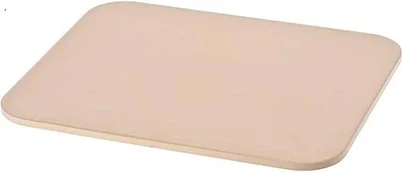
15-Inch Ceramic Pizza Stone for Perfect Crispy Crusts
- Ceramic (clay-based baking stone)
- The brand calls it PFAS-free, which we have not verified
- Glaze degradation and surface leaching
3 hazards checked on this product, all on its full breakdown.
Deluxe Square Pizza Stone with Rack
- ceramic or unglazed stone; no nonstick coating
- The brand calls it PFAS-free, which we have not verified
- Ceramic or stone cracking and fragmentation
2 hazards checked on this product, all on its full breakdown.
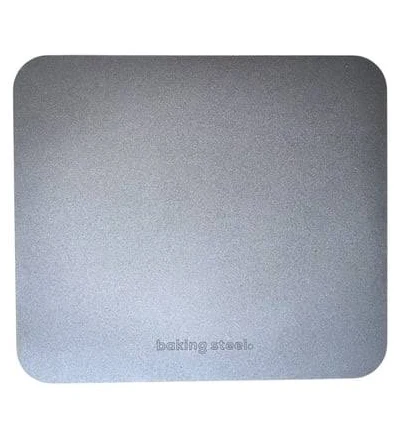
- carbon steel (bare metal, no coating)
- We found no PFAS statement from the brand
- Rust and corrosion
2 hazards checked on this product, all on its full breakdown.
Find an alternative on AmazonMore pizza stones & baking surfaces grades
How we score, every product runs through the same public 0-100 rubric based on materials, coatings, brand disclosure, lab findings, and recalls. See the full methodology → Spotted a mistake? Report an error.